

Oral cancer is a significant health concern, with thousands diagnosed every year. Despite its prevalence, many people remain unaware of the critical role that oral cancer screenings play in early detection and treatment. This blog will explore the importance of regular screenings, what they entail, and how they can ultimately save lives.
Understanding Oral Cancer
Oral cancer can develop in various parts of the mouth, including the lips, gums, tongue, and throat. Risk factors include tobacco use, excessive alcohol consumption, and HPV infection. Symptoms often include persistent sores, lumps, or white patches in the mouth that do not heal. Unfortunately, these symptoms can go unnoticed until the cancer has advanced, making regular oral cancer screenings essential for early detection.
The Importance of Early Detection
Early detection is crucial when it comes to oral cancer. According to the American Cancer Society, the five-year survival rate for oral cancer is significantly higher when detected at an early stage. This statistic underscores the importance of oral cancer screenings as a preventative measure. By identifying precancerous conditions or early-stage cancers, healthcare providers can initiate treatment sooner, improving the chances of successful outcomes.
What to Expect During an Oral Cancer Screening?
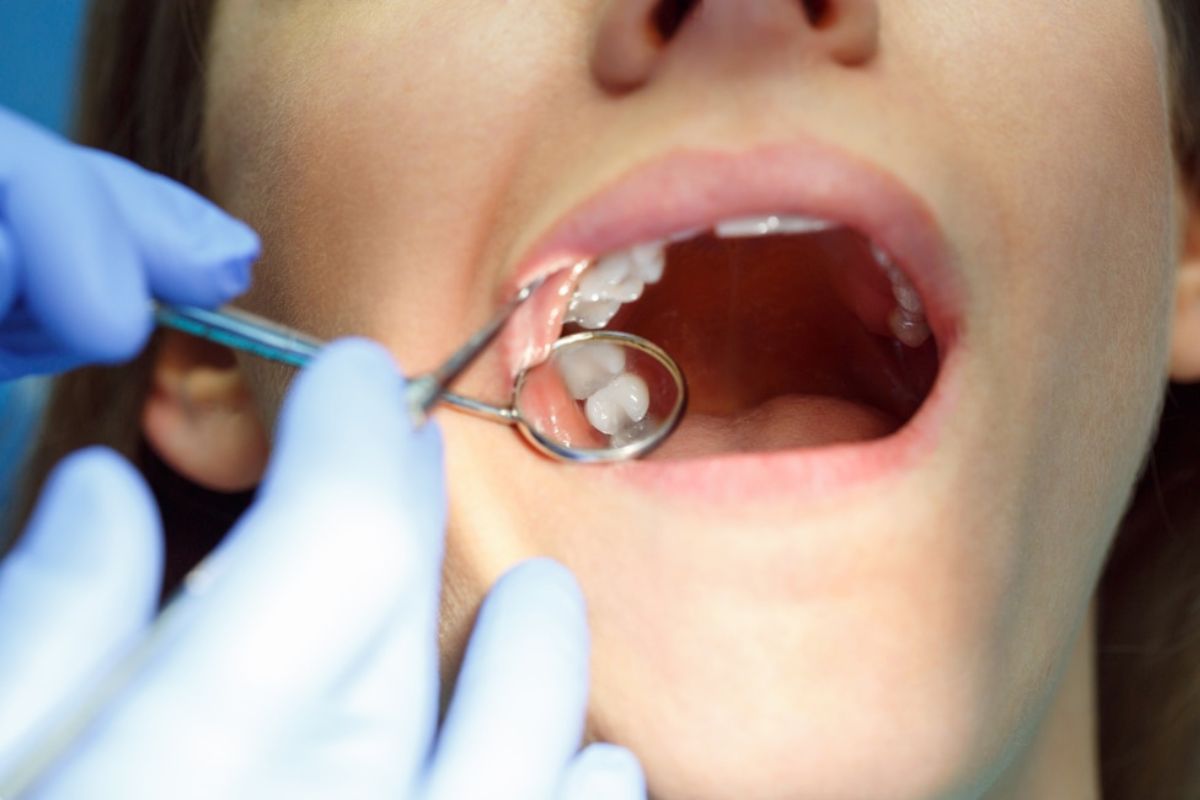
An oral cancer screening is a quick and painless procedure that typically takes place during a routine dental visit. During the screening, your dentist will visually examine your mouth for any abnormal lesions, lumps, or other signs of cancer. They may also use a special light or rinse to highlight areas of concern. If any suspicious areas are identified, further diagnostic tests, such as biopsies, may be recommended to confirm a diagnosis.
It is advisable to discuss any concerns or symptoms you may have during your appointment. The earlier these issues are addressed, the better the chances of a favorable prognosis.
The Role of Regular Screenings
For individuals at higher risk, such as smokers or those with a family history of cancer, more frequent oral cancer screenings may be necessary. Even for those at average risk, it is recommended to have screenings at least once a year. Regular screenings can help catch potential problems before they become serious, allowing for timely intervention.
Raising Awareness and Encouraging Action
One of the biggest challenges in combatting oral cancer is awareness. Many people do not realize they are at risk or underestimate the importance of oral cancer screenings. Education is key; dental professionals can play a vital role in informing their patients about the risks of oral cancer and the benefits of early detection.
Additionally, community outreach programs can help raise awareness about the importance of screenings. Events that promote free or low-cost screenings can encourage individuals who may not otherwise seek dental care to take action for their health.
Conclusion
In conclusion, oral cancer screenings are a vital component of maintaining oral health and preventing serious illness. By prioritizing regular screenings and raising awareness about the importance of early detection, we can significantly improve outcomes for those affected by oral cancer. Don’t wait for symptoms to appear—schedule your oral cancer screening today and take a proactive step towards safeguarding your health. Remember, early detection can save lives.