
The New Year is the perfect time to refresh your routines, including those that affect your oral health. Good dental hygiene is essential not just for a brighter smile but also for your overall well-being.
Why Dental Hygiene Matters?
Your oral health is closely linked to your overall health. Poor dental hygiene can lead to issues like gum disease, cavities, and even heart problems. Taking care of your teeth and gums helps you maintain a healthier body and a confident smile.
1. Brush Twice a Day, the Right Way
Brushing your teeth twice a day is non-negotiable, but how you brush matters just as much as how often. Use a soft-bristled toothbrush and fluoride toothpaste, and brush for at least two minutes each time. Pay attention to all surfaces of your teeth, including the fronts, backs, and chewing surfaces. Don’t forget to gently brush your tongue to remove bacteria and freshen your breath.
2. Don’t Skip Flossing
Many people overlook flossing, but it’s an essential step for maintaining healthy teeth and gums. Flossing removes plaque and food particles from areas your toothbrush can’t reach, like between your teeth and under the gumline. Make it a habit to floss at least once a day, preferably before bedtime.
3. Limit Sugary and Acidic Foods
Your diet plays a significant role in your dental health. Sugary and acidic foods can contribute to tooth decay and enamel erosion. While it’s okay to indulge occasionally, try to limit your intake of sweets, sodas, and citrus fruits. If you do consume them, rinse your mouth with water afterward and wait at least 30 minutes before brushing to protect your enamel.
4. Stay Hydrated
Drinking plenty of water is not just good for your body; it’s also beneficial for your teeth. Water helps rinse away food particles and bacteria, reducing the risk of cavities and gum disease. Additionally, staying hydrated can prevent dry mouth, a condition that can increase the likelihood of tooth decay. If you live in an area with fluoridated water, drinking tap water can give your teeth an extra layer of protection.
5. Schedule Regular Visits to Your Dentist
No dental hygiene routine is complete without regular checkups and cleanings. Visiting your dentist every six months allows for early detection of potential issues like cavities, gum disease, and oral cancer. Professional cleanings also remove plaque and tartar buildup that brushing and flossing can’t address. Make it a priority to schedule your dental appointments for the year ahead.
Bonus Tip: Invest in the Right Tools
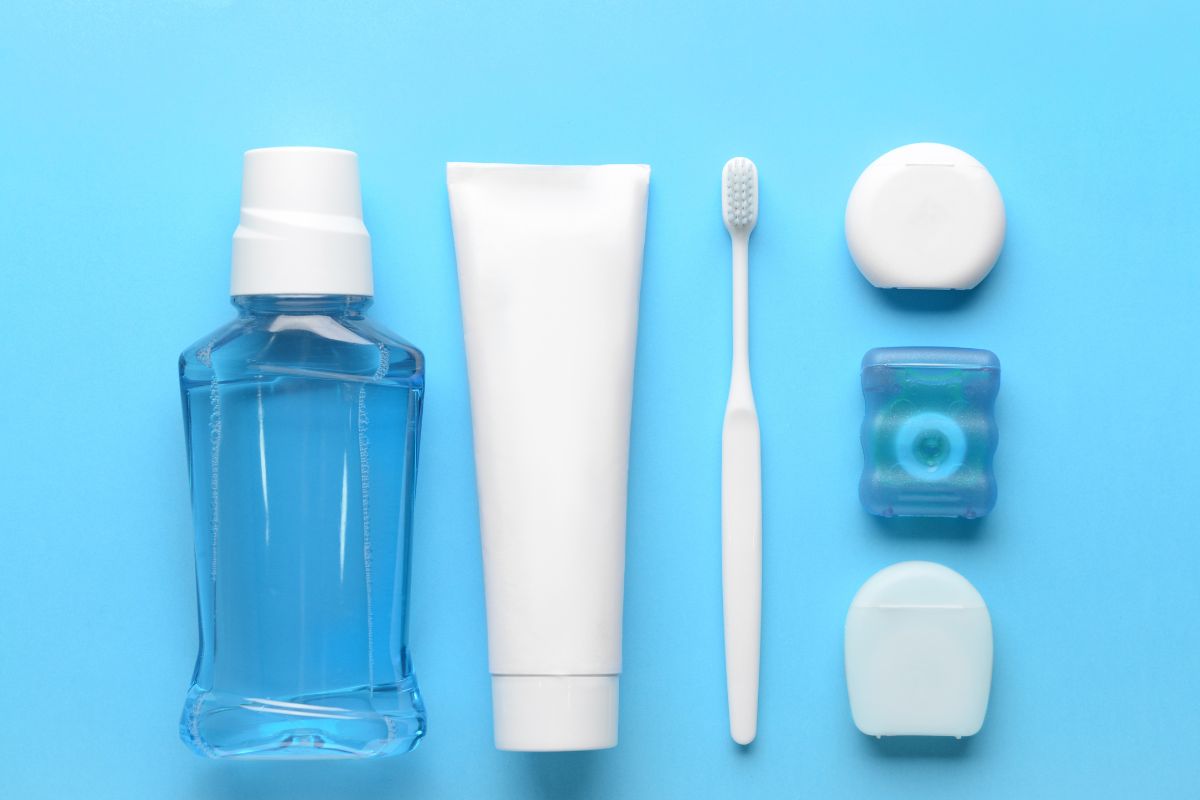
Using the right dental care tools can make a significant difference in your oral hygiene. Consider switching to an electric toothbrush for more effective cleaning. If you’re prone to cavities, talk to your dentist about fluoride treatments or using a prescription-strength toothpaste. For those with sensitive teeth, desensitizing toothpaste can help.
Conclusion
Improving your dental hygiene doesn’t have to be complicated. By incorporating these tips into your daily routine, you’ll be on your way to healthier teeth and gums. Consistency is key, so start with small changes and build better habits over time. Don’t wait for dental problems to arise—start the New Year with a proactive approach and make your next visit to the dentist a pleasant one!