

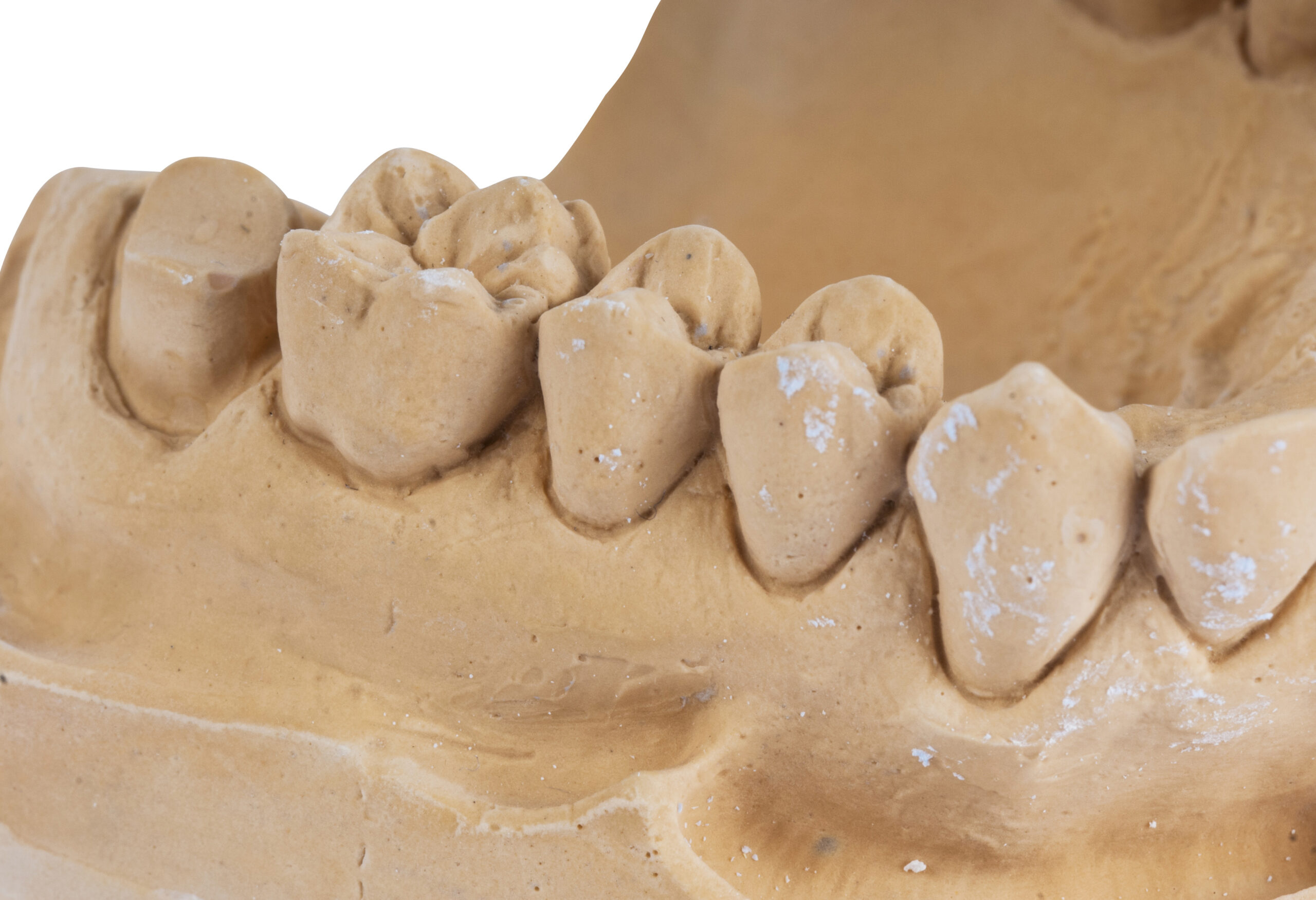
Dental bone loss is a serious yet often overlooked oral health issue that can lead to tooth loss and other complications if left untreated. This condition involves the deterioration of the bone that supports your teeth, typically resulting from infection, trauma, or prolonged neglect of dental care. Fortunately, understanding the root causes and preventive measures can help you preserve your oral health for the long term.
Common Causes of Dental Bone Loss
1. Periodontal Disease
The most frequent cause of dental bone loss is periodontal (gum) disease. This chronic infection affects the gums and supporting structures of the teeth. As the disease progresses, it can destroy the bone beneath the gums. Poor oral hygiene, smoking, and certain health conditions like diabetes can increase your risk of developing periodontal disease.
2. Tooth Loss
When a tooth is missing and not replaced promptly, the jawbone in that area no longer receives the stimulation it needs. Over time, the bone begins to deteriorate due to lack of use, a process called bone resorption. This is why dentists often recommend dental implants after tooth loss—to help maintain bone density.
3. Trauma or Injury
Injuries to the mouth can result in fractured or dislodged teeth and damage to the underlying bone. Even if the tooth appears fine initially, trauma can reduce blood flow to the area, contributing to bone loss over time.
4. Infections
Untreated dental abscesses or advanced decay can spread to the bone and lead to bone deterioration. It’s essential to address infections early to prevent long-term damage.
5. Medical Conditions and Medications
Conditions like osteoporosis, cancer, or autoimmune diseases can affect bone health throughout the body, including the jaw. Additionally, certain medications, such as corticosteroids or drugs used in chemotherapy, can weaken bones and increase the risk of loss.
How to Prevent Dental Bone Loss?
1. Practice Excellent Oral Hygiene
The first line of defense against bone loss is maintaining a consistent oral care routine. To avoid plaque, brush twice with fluoride toothpaste, floss daily, and rinse with an antibacterial mouthwash.
2. Visit Your Dentist Regularly
Routine dental visits allow your dentist to detect early signs of gum disease, decay, or bone loss. If you’re searching for a “dentist near me” in Jersey City, you will find our practice at 75 Montgomery St #402, 07302. We offer periodontal assessments as part of our care.
3. Treat Gum Disease Promptly
If you’re diagnosed with gum disease, you must begin treatment immediately. Depending on the severity of the condition, deep cleanings (scaling and root planing), antibiotics, or surgical procedures may be necessary.
4. Replace Missing Teeth
Don’t delay replacing a lost tooth. Dental implants are an excellent option because they mimic the natural tooth’s root, stimulating the jawbone and preventing bone resorption.
5. Maintain a Healthy Diet
A balanced diet of calcium, vitamin D, and other nutrients supports bone health. Limit sugary foods and beverages that can promote decay and infection.
6. Avoid Smoking and Alcohol
Both smoking and excessive alcohol consumption can weaken your immune system, impair healing, and increase your risk of gum disease—all of which contribute to bone loss.
If you’re looking for a professional team that prioritizes your long-term oral health, consider consulting a Jersey City dentist specializing in preventive care and periodontal treatment.
Contact Us
Preventing dental bone loss starts with proactive care and guidance from trusted professionals. If you have concerns about your oral health or want to schedule a comprehensive dental evaluation, we’re here to help. Contact us today to learn more about your options and keep your smile strong for years.