
Oral cancer is a serious condition that affects thousands of individuals every year. While it may not always present obvious symptoms early on, recognizing the warning signs and causes can help ensure early detection and treatment.
For residents in New Jersey and the surrounding areas, understanding these signs is essential to protecting your oral health. Regular oral cancer screenings at a dental office are a crucial step in identifying potential issues before they become more severe.
At Jersey City Dental, we’re committed to providing comprehensive dental care. Our dental team is here to help you understand the causes and warning signs of mouth cancer so you can take proactive steps to maintain your health.
Common Causes of Oral Cancer
Several factors can increase the risk of developing oral cancer. Some are related to lifestyle choices, while others are influenced by genetics and environmental factors. Here are some common causes:
Tobacco Use
Smoking or chewing tobacco is one of the leading causes of mouth cancer. The chemicals found in tobacco can damage the cells in your mouth, leading to cancerous growths. Whether it’s smoking cigarettes, cigars, or using smokeless tobacco, these habits significantly increase your risk.
Heavy Alcohol Consumption
Drinking alcohol in excess is another major risk factor. When combined with tobacco use, the risk of developing mouth cancer is significantly higher. Regular, heavy drinking irritates the tissues in your mouth and increases the likelihood of cancerous growth.
Human Papillomavirus (HPV)
HPV, particularly the strain known as HPV-16, has been linked to an increased risk of oral cancer. HPV is often contracted, and it can cause abnormal cell growth in the mouth and throat, leading to cancer.
Poor Oral Hygiene
Neglecting your oral hygiene can lead to gum disease and other oral infections, which can increase the risk of oral cancer. Maintaining a regular brushing and flossing routine helps prevent plaque buildup and ensures healthy gums and teeth.
Sun Exposure
Extended exposure to the sun can increase the risk of lip cancer. If you spend a lot of time outdoors without using lip protection, you may be at a higher risk of developing mouth cancer on your lips.
Family History of Oral Cancer
A family history of cancer can increase your chances of developing the disease. If someone in your family has had oral cavity cancer, it’s essential to inform your dentist so they can monitor your oral health more closely.
Weakened Immune System
Individuals with weakened immune systems, such as those with HIV/AIDS or those undergoing chemotherapy, are more susceptible to developing mouth cancer. The immune system plays a key role in detecting and fighting off cancerous cells, so a weakened immune system increases your risk.
Age
Oral carcinoma is more common in individuals over the age of 40. While younger people can develop the disease, the risk increases as you age. That’s why regular mouth cancer screenings become even more important as you get older.
Diet and Nutrition
A poor diet that lacks essential nutrients, such as vitamins and minerals, can contribute to oral carcinoma. Deficiencies in fruits and vegetables, especially those high in antioxidants, can weaken your body’s ability to fight off harmful cells, increasing your risk.
Warning Signs of Oral Cancer
Knowing the warning signs of oral cancer is key to catching it early. Many of these signs are easy to miss, so it’s important to schedule regular screening with your dentist. Here are the most common warning signs to watch out for:
Mouth Sores That Don’t Heal
A persistent sore or ulcer in the mouth that does not heal within two weeks could be a sign of cancer. These sores may bleed or become painful, and they often appear on the gums, tongue, or inside of the cheeks.
Lumps or Growths in the Mouth
If you notice any lumps or growths in your mouth, on your gums, or in your throat, it’s important to seek professional evaluation. These lumps may be soft or hard and may not be painful at first, but they could indicate a developing cancer.
Difficulty Swallowing or Chewing
Oral cavity cancer can interfere with the normal function of the mouth, making it difficult to chew or swallow food. If you experience unexplained difficulty swallowing or a feeling of food being stuck in your throat, it’s important to get checked by a dentist.
Persistent Pain in the Mouth or Jaw
If you have ongoing pain in your mouth, jaw, or ear, it could be a sign of oral cavity cancer. This pain may be constant or worsen when eating or speaking.
Changes in Speech
Oral cancer can affect the muscles of the mouth, tongue, or jaw, leading to changes in speech. Difficulty pronouncing words or a hoarse voice that persists should be examined by your dentist.
White or Red Patches in the Mouth
White or red patches on the gums, tongue, or inside the cheeks are common signs. These patches may be smooth or rough and may indicate a need for further investigation.
Unexplained Bleeding
Unexplained bleeding in the mouth, especially if it occurs frequently, could be a sign. If you notice blood in your saliva or when brushing your teeth, it’s important to schedule an appointment with your dentist immediately.
Unexplained Weight Loss
Unexpected weight loss is a common symptom of many types of cancer, including mouth cancer. If you experience significant weight loss without a clear reason, it’s important to get checked by your dentist.
Why Professional Oral Cancer Screenings Are Important
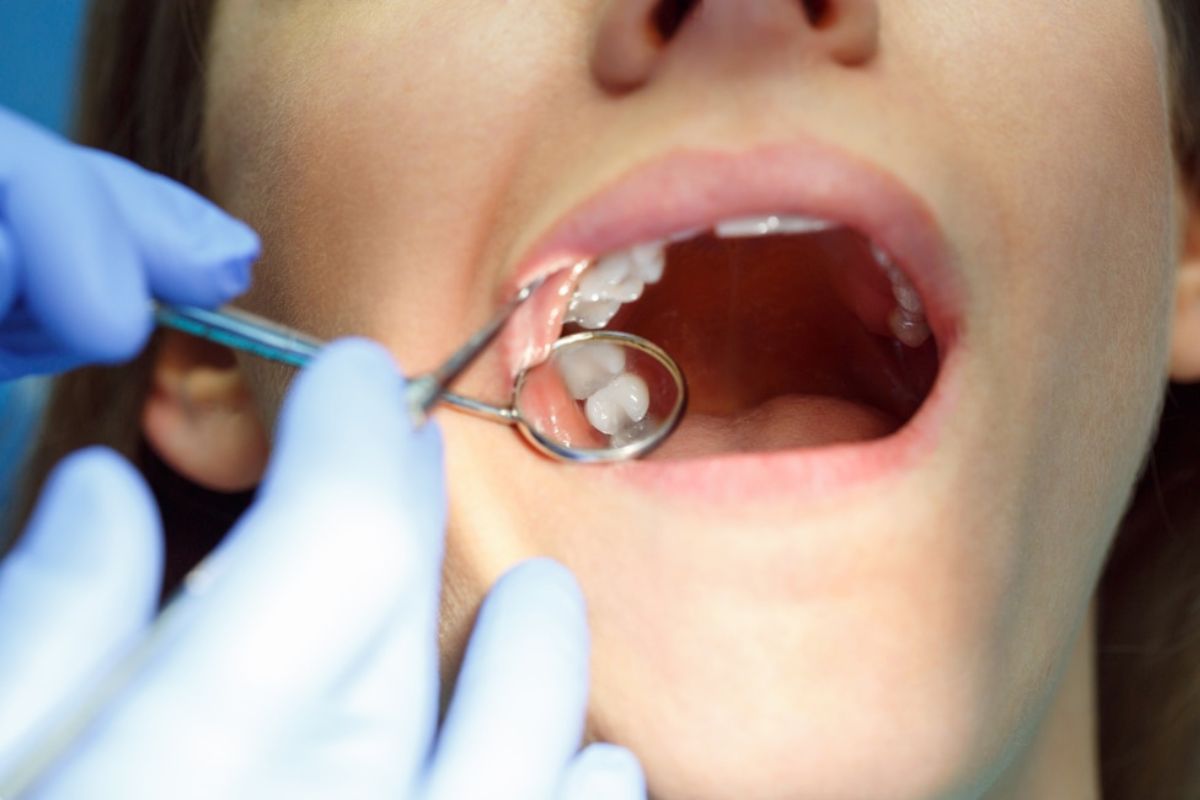
Regular mouth cancer screenings at our dental office in Jersey City are essential for early detection. Often, the early stages show no obvious symptoms, which is why it’s important to visit a dentist who is trained to detect subtle signs. Professional screenings allow the specialist to catch early warning signs, making treatment more effective and increasing the chances of successful outcomes.
At our dental practice, Dr. Andrew S. Paek and our team prioritize your health by providing comprehensive oral cancer screenings and exceptional dental care. By catching potential issues early, we can help you avoid more serious complications down the road. Don’t wait until symptoms worsen; regular screenings are a simple yet effective way to protect your health.
Book an Oral Cancer Screening Today
If you notice any warning signs of oral cancer, don’t wait; contact us today. Our dental team is proud to serve patients in Jersey City and Hoboken with comprehensive oral health care and early oral cancer screenings. We’re here to help detect concerns as early as possible, so you can stay free of mouth cancer and protect your overall well-being. Book an appointment today and take the first step toward protecting your smile and your health.
FAQs
1. How is oral cancer detected?
It is detected through a thorough dental examination, including a visual inspection of the mouth, gums, and throat. Regular screenings by the dentist help catch potential issues early.
2. Can oral cancer be prevented?
While oral cancer cannot always be prevented, avoiding tobacco use, drinking alcohol in moderation, and maintaining good oral hygiene can reduce your risk. Regular dental checkups also play a key role in early detection.
3. What happens if oral cancer is diagnosed?
If oral carcinoma is diagnosed, the dentist will refer you to a specialist for further evaluation. Treatment options may include surgery, radiation therapy, or chemotherapy, depending on the stage of cancer.
4. How often should I get an oral cancer screening?
It’s recommended to have an oral cancer screening at least once a year, especially if you are at higher risk due to lifestyle factors. Discuss the best screening schedule with your local dentist.