

By Jersey City Dental | October 13, 2026
Missing teeth can affect more than your smile. You may find it harder to chew comfortably, speak clearly, or feel confident in social situations. If you are exploring a long-term way to replace missing teeth, you may be wondering whether dental implants are right for you.
The good news is that many adults with one or more missing teeth may qualify for treatment. However, eligibility depends on several factors, including gum health, jawbone condition, overall health, and personal habits. At Jersey City Dental, patients considering dental implants in Jersey City can explore their options and receive an individualized evaluation to understand what treatment may be appropriate.
Quick Answer
A good candidate for dental implants generally has one or more missing teeth, healthy gums, sufficient jawbone to support the implants, and overall health that allows for healing after surgery. Certain medical conditions, smoking, or existing oral health problems may increase risks but do not automatically rule out treatment. A dental examination and appropriate imaging help determine individual eligibility.
What Makes Someone a Good Candidate for Dental Implants?
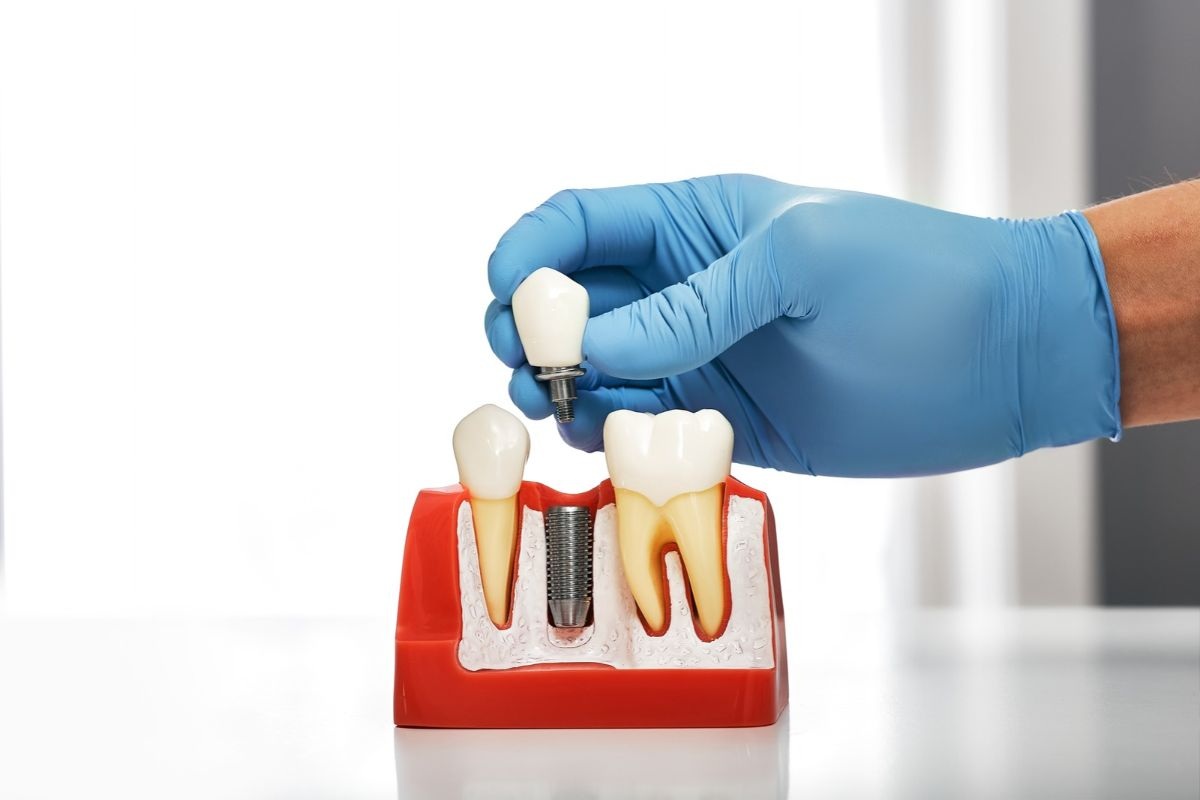
Dental implants are small posts placed in the jawbone to act as artificial tooth roots. Once the implant integrates with the surrounding bone, it can support a dental crown, bridge, or denture.
Although implants can be an effective tooth replacement option, not everyone has the same starting point. Here are the main factors your dentist will consider.
1. You Have One or More Missing Teeth
Dental implants may be an option if you have lost a tooth because of decay, gum disease, injury, or another dental problem.
Depending on your needs, implants can replace:
- A single missing tooth with an implant-supported crown.
- Several missing teeth with an implant-supported bridge.
- Most or all teeth in an arch with an implant-supported denture or full-arch restoration.
You do not need to be missing all your teeth to consider implants. Your dentist will assess the condition of your remaining teeth and discuss whether replacing individual teeth or several teeth would best support your oral health.
2. Your Gums Are Healthy
Healthy gum tissue helps protect the structures surrounding dental implants. Active gum disease can damage the tissues and bone that support teeth, potentially increasing the risk of implant complications.
If you have bleeding gums, persistent bad breath, gum tenderness, or a history of periodontal disease, your dentist may recommend treating these issues before implant placement.
Having gum disease in the past does not necessarily mean you cannot receive implants. The important considerations are whether the condition is controlled and whether your gums and supporting bone can provide a healthy foundation.
3. You Have Enough Jawbone to Support the Implant
Jawbone health is one of the most important considerations when evaluating implant candidacy. The implant needs adequate bone volume and quality to remain stable and integrate properly.
When a tooth is missing, the surrounding jawbone can gradually shrink because it no longer receives stimulation from that tooth’s root. This change may be more significant if a tooth has been missing for several years.
However, limited bone does not automatically mean implants are off the table. Depending on your anatomy, a dentist may recommend bone grafting or another appropriate approach before placement.
Learn more about how much bone you need for a dental implant to understand why bone evaluation matters.
4. Your Overall Health Allows for Healing
Dental implant surgery involves healing, so your medical history matters.
Certain conditions, including poorly controlled diabetes, may interfere with healing or increase the risk of complications. Some autoimmune conditions, medications, and treatments that affect the immune system or bone metabolism may also influence your treatment plan.
These factors do not automatically disqualify you. Your dentist may need to review your medical history, current medications, and any relevant information from your physician before recommending treatment.
Be open about your health, even if a condition seems unrelated to your teeth. This information helps your dental team evaluate risks and plan care more safely.
5. You Are Ready to Maintain Your Oral Health
Dental implants require ongoing care. Although the replacement tooth itself cannot develop a cavity, plaque can still collect around the implant and irritate the surrounding gums.
Good candidates should be prepared to:
- Brush twice daily with a soft-bristled toothbrush.
- Clean between their teeth and around their implants every day.
- Attend regular dental examinations and professional cleanings.
- Follow their dentist’s instructions during healing and afterward.
A consistent oral hygiene routine helps protect the tissues supporting the implant and reduces the risk of preventable complications.
Who May Need Additional Treatment Before Getting Implants?
Some patients need to address other concerns before implant placement. This does not necessarily mean they are unsuitable candidates; it may mean treatment needs to happen in stages.
Patients With Bone Loss
Bone grafting may help rebuild an area where insufficient bone is available. The amount of additional treatment and healing time required depends on the extent of bone loss and the proposed implant location.
Patients With Active Gum Disease or Dental Infections
Your dentist may recommend treating gum disease, removing an infected tooth, or addressing other oral health problems before placing an implant. Establishing a healthier oral environment can help reduce avoidable risks.
People Who Smoke or Use Tobacco
Smoking can impair healing and increase the risk of implant complications. If you smoke or use tobacco, discuss your habits honestly with your dentist. Quitting or stopping before treatment, when medically appropriate, may improve your chances of healing well.
Patients Taking Certain Medications
Some medications, particularly certain drugs that affect bone metabolism or immune function, can influence surgical planning. Do not stop prescribed medication on your own. Your dentist and prescribing clinician can help determine whether adjustments or additional precautions are appropriate.
Is There an Age Limit for Dental Implants?
There is no fixed upper age limit for dental implants. Older adults may be candidates if their oral health, bone support, and general health are suitable for treatment.
For younger patients, implant placement is generally postponed until jaw growth is complete. Because an implant does not move with the natural growth of the jaw, placing it too early can create functional or aesthetic problems.
Age alone is not enough to determine eligibility. A personalized assessment is more useful than a specific birthday.
How Do You Find Out If You Qualify for Dental Implants?
The most reliable way to determine candidacy is through a dental implant consultation. At Jersey City Dental, the evaluation may involve several steps based on your needs.
Step 1: Review your dental and medical history. Your dentist will discuss missing teeth, previous dental treatments, medical conditions, medications, and relevant lifestyle habits.
Step 2: Examine your mouth. The dentist will assess your gums, remaining teeth, bite, and the area where the implant may be placed.
Step 3: Evaluate your jawbone. Dental imaging, including 3D imaging when indicated, can help assess bone volume and identify important anatomical structures.
Step 4: Discuss your options. If implants appear appropriate, your dentist can explain the proposed treatment, expected healing stages, possible risks, and alternatives. If preliminary treatment is needed, you can discuss what that involves before making a decision.
For more background, you can also review how dental implants work and what to expect from the treatment process.
Frequently Asked Questions
Can I get dental implants if I have bone loss?
Possibly. Some patients with jawbone loss can receive implants after bone grafting or another suitable treatment. An examination and imaging help determine the available options.
Can I get dental implants if I have diabetes?
Yes, some people with diabetes can receive dental implants. However, blood sugar control and overall health can affect healing and complication risks. Your dentist may coordinate with your physician when appropriate.
Am I too old to get dental implants?
Not necessarily. There is no universal upper age limit. Your oral health, bone support, medical history, and ability to heal are more important than age alone.
Can smokers get dental implants?
Smoking does not automatically make implant treatment impossible, but it can increase the risk of healing problems and implant failure. Your dentist can discuss risk reduction and whether treatment should be delayed.
How long does it take to find out if I am a candidate?
The initial evaluation may take place during a consultation, although additional imaging, medical information, or preliminary treatment may be needed before your dentist can finalize a recommendation.
Find Out Whether Dental Implants Are Right for You
The best way to answer the question, “Who is a candidate for dental implants?” is to look at your individual oral health, medical history, and tooth replacement goals. Healthy gums, adequate bone support, and the ability to heal are important considerations, but certain challenges can often be addressed through careful treatment planning.
If you are missing teeth and exploring replacement options, Jersey City Dental can help you understand the factors that influence implant candidacy. Call (551) 369-0419 to discuss scheduling a consultation.
A professional evaluation can help you understand your options and decide on a treatment plan that fits your needs.