

By Jersey City Dental | November 19, 2026
Losing a tooth can affect more than your smile. It may change how you chew, speak, and feel about your appearance. Dental implants offer a long-term way to replace missing teeth, but one question often comes up before patients consider treatment: How long will they actually last?
The answer depends on several factors, including oral hygiene, overall health, implant placement, and everyday habits. Understanding these factors can help you make an informed decision about tooth replacement. If you’re exploring implant dentistry in Jersey City, knowing what affects implant longevity is an important first step.
Quick Answer: How Long Do Dental Implants Last?
Dental implants can last for several decades and may remain functional for a lifetime with proper care. However, the crown, bridge, or denture attached to an implant may need repair or replacement sooner because of everyday chewing forces, material wear, or damage. Regular dental examinations and good oral hygiene help protect both components.
Understanding the Lifespan of Dental Implants
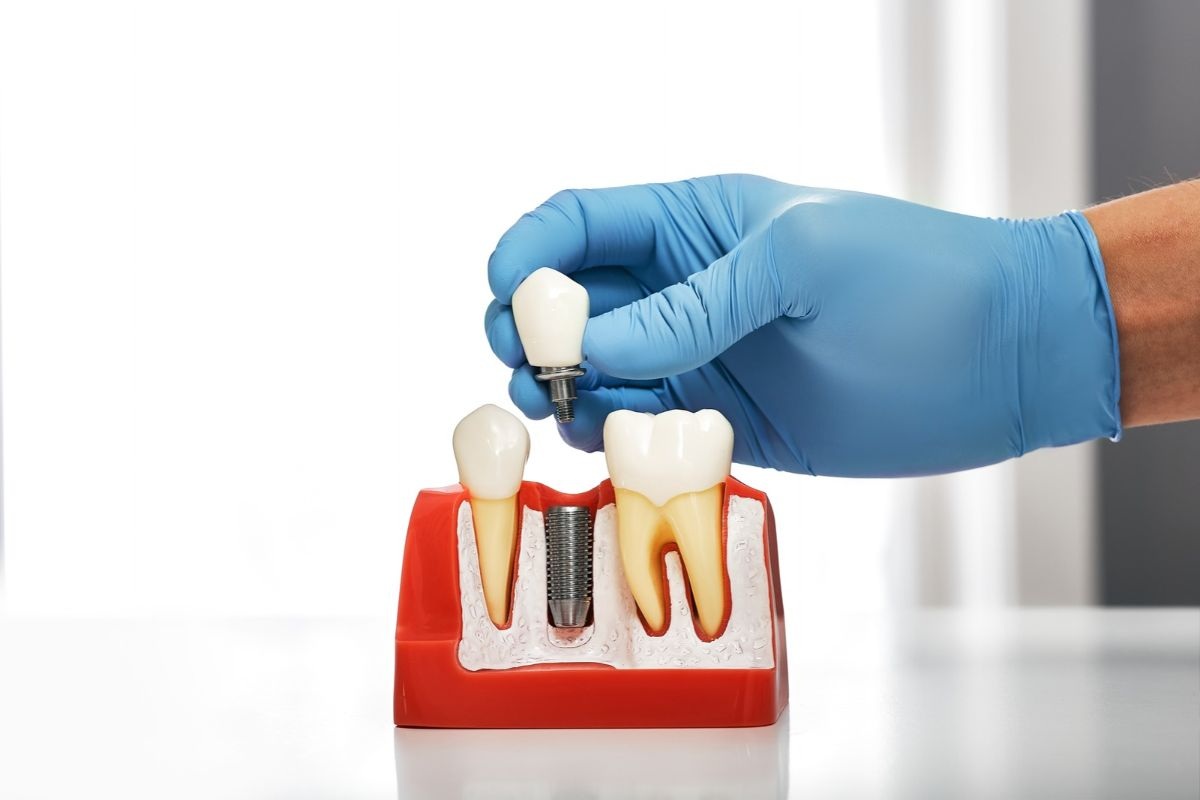
To understand how long dental implants last, it helps to know that an implant restoration consists of different components. Each has a separate purpose and may have a different lifespan.
1. The Implant Post
The implant post is a small screw-like structure placed into the jawbone to replace the root of a missing tooth. It is commonly made from titanium, although zirconia is another available material.
After placement, the implant undergoes a healing process called osseointegration. This means the surrounding bone gradually bonds with the implant, creating a stable foundation for the replacement tooth.
When healing is successful and the surrounding tissues remain healthy, the implant post can last for decades and potentially a lifetime. However, complications such as infection, bone loss, or mechanical problems can affect its long-term stability.
2. The Dental Implant Crown
The crown is the visible replacement tooth attached to the implant. It is designed to restore the appearance and function of the missing tooth.
Unlike the implant post, the crown experiences continuous chewing pressure and may eventually develop wear, chips, cracks, or other damage.
A crown does not automatically need replacement at a fixed interval. Its condition depends on the material, bite forces, oral hygiene, and individual habits.
3. The Abutment and Other Components
The abutment connects the implant post to the crown. Although it is designed for long-term use, it can occasionally loosen, become damaged, or require adjustment.
This means that even when the implant post remains healthy, another component of the restoration may need attention.
What Factors Affect How Long Dental Implants Last?
Dental implants are designed for durability, but their longevity is not identical for every patient. Several factors can influence how well they perform over time.
Oral Hygiene and Daily Cleaning
Plaque can accumulate around dental implants just as it does around natural teeth. Without proper cleaning, bacteria may irritate the surrounding gum tissue and contribute to peri-implant disease.
Brushing twice daily, cleaning between teeth, and following your dentist’s implant-care instructions help maintain healthy surrounding tissues.
Gum Health and Bone Support
Healthy gums and adequate bone support are essential for implant stability. A condition called peri-implantitis can cause inflammation and progressive bone loss around an implant.
If left untreated, this condition may eventually cause the implant to loosen or fail.
Smoking and Tobacco Use
Smoking can interfere with healing and negatively affect the tissues surrounding dental implants. It may also increase the risk of complications.
Discuss tobacco use with your dental provider before implant treatment and ask about practical ways to reduce related risks.
Teeth Grinding and Clenching
Habitual grinding or clenching, also called bruxism, places additional pressure on implant restorations. Over time, excessive forces may contribute to crown damage, component loosening, or other mechanical complications.
If you grind your teeth, your dentist may recommend a custom night guard to help protect your restoration.
Overall Health and Medical History
Certain health conditions, medications, and healing-related factors can influence implant treatment and long-term maintenance.
Your dentist should review your medical history before recommending treatment and consider any factors that could affect healing or implant stability.
Signs Your Dental Implant May Need Repair or Replacement
A dental implant does not necessarily need replacement simply because it has been in place for many years. The important consideration is whether the implant and its supporting structures remain healthy and functional.
Pay attention to the following warning signs:
- Persistent gum swelling or redness: Inflammation around an implant may indicate irritation or infection.
- Bleeding around the implant: Bleeding during brushing or professional examination deserves attention.
- Pain or discomfort: New or persistent discomfort should be evaluated rather than ignored.
- A loose crown: The crown or connecting components may have loosened, even if the implant post is stable.
- Difficulty chewing: A change in your bite or discomfort while eating may indicate a mechanical or biological problem.
- Visible damage: Cracks, chips, or unusual wear in the crown may require repair or replacement.
Not every symptom means the implant itself has failed. For example, a loose crown may be repairable without removing the implant. A dental examination, and sometimes dental imaging, can help determine the cause.
Can a Dental Implant Crown Be Replaced Without Replacing the Implant?
Yes. In many situations, a damaged or worn implant crown can be replaced while the original implant post remains in the jawbone.
The dentist first evaluates the implant’s stability, surrounding gum tissue, and connecting components. If the implant is healthy and securely integrated with the bone, a new crown may be attached.
However, if there is significant bone loss, infection, or implant instability, additional treatment may be necessary before deciding whether replacement is appropriate.
This distinction is important because replacing an implant-supported crown is generally a different procedure from removing and replacing the implant itself.
How Can You Make Dental Implants Last Longer?
Good maintenance habits can help protect your investment and reduce the risk of avoidable complications.
Here are practical steps to follow:
- Brush consistently: Brush twice a day using a soft-bristled toothbrush and a cleaning method recommended by your dentist.
- Clean between teeth: Use floss, interdental brushes, or other recommended cleaning aids to remove plaque around the implant.
- Attend regular dental checkups: Professional examinations help identify early signs of inflammation, bone changes, or restoration damage.
- Avoid chewing hard objects: Do not use your implant-supported teeth to bite ice, hard candy, or other unnecessarily hard objects.
- Address teeth grinding: Ask your dentist whether a night guard may help protect your implant restoration.
- Avoid smoking: Reducing or stopping tobacco use can support better oral health and healing.
- Report changes promptly: Contact your dentist if you notice swelling, bleeding, discomfort, or looseness.
Professional implant maintenance should be tailored to your oral health and individual risk factors.
When Should You Consider Replacing a Dental Implant?
There is no universal replacement schedule for dental implants. Some patients retain their original implants for decades without major problems, while others may experience complications that require earlier intervention.
A dentist may recommend replacing an implant or one of its components when:
- The implant has lost stability because of significant surrounding bone loss.
- Infection has damaged the supporting tissues.
- The implant post has fractured or sustained structural damage.
- The crown or another restoration has become too damaged to repair.
- Repeated mechanical complications affect the function of the restoration.
Treatment depends on the underlying problem. In some cases, professional cleaning, gum treatment, or a replacement crown may be sufficient. More advanced complications may require surgical treatment or implant removal.
The goal is always to determine whether the existing implant can be preserved before considering more extensive procedures.
Can Dental Implants Last a Lifetime?
Yes, dental implants can last a lifetime in some patients, but this is not guaranteed.
Their long-term success depends on maintaining healthy gums, preserving supporting bone, managing risk factors, and attending regular dental appointments.
Another important consideration is what happens to the jawbone after tooth loss. When a natural tooth is missing, the underlying bone may gradually shrink because it no longer receives the stimulation associated with chewing.
Dental implants transfer chewing forces to the jawbone and can help maintain bone in the area. You can also explore how dental implants can help prevent bone loss to understand this additional benefit of treatment.
For patients in Jersey City, discussing these long-term considerations with an experienced dental provider can help clarify whether implants are a suitable tooth replacement option.
Considering Dental Implants in Jersey City?
If you’re missing one or more teeth, understanding the long-term benefits and maintenance requirements of dental implants can help you make a more confident treatment decision.
At Jersey City Dental, patients can explore titanium and zirconia dental implant options, along with implant-supported crowns, bridges, and dentures. The practice uses 3D cone beam imaging to evaluate bone density and help plan implant placement. Treatment recommendations depend on each patient’s oral health and individual needs.
Whether you’re considering your first implant or have questions about an existing restoration, a professional evaluation can help identify the most appropriate next steps.
You can also explore patient reviews and information about Jersey City Dental on Google to learn more about the practice.
Contact Jersey City Dental at (551) 369-0419 to discuss your dental implant concerns or schedule a consultation in Jersey City.
Frequently Asked Questions About Dental Implant Longevity
1. How long do dental implants last before replacement?
The implant post can last for several decades and potentially a lifetime when properly maintained. However, the attached crown, bridge, or denture may require repair or replacement sooner because of normal wear, damage, or changes in oral health.
2. Do dental implants wear out like natural teeth?
The implant post does not decay like a natural tooth. However, the crown and other restoration components can experience wear, damage, or loosening over time. The surrounding gums and bone can also develop problems if plaque and inflammation are not controlled.
3. Can dental implants fail after 10 or 20 years?
Yes. Although many implants remain stable for decades, late complications can occur. Peri-implantitis, progressive bone loss, excessive biting forces, and mechanical damage can affect implant stability even years after placement.
4. How often should dental implants be checked?
Dental implants should be evaluated during regular dental visits. The appropriate maintenance schedule depends on your gum health, medical history, oral hygiene, and individual risk factors. Your dentist can recommend how frequently you need professional examinations and cleanings.
5. Is it painful to replace a dental implant crown?
Replacing an implant crown is generally less involved than surgically removing and replacing an implant post. The procedure depends on the condition of the existing restoration and connecting components. Your dentist can explain what to expect after examining your implant.


