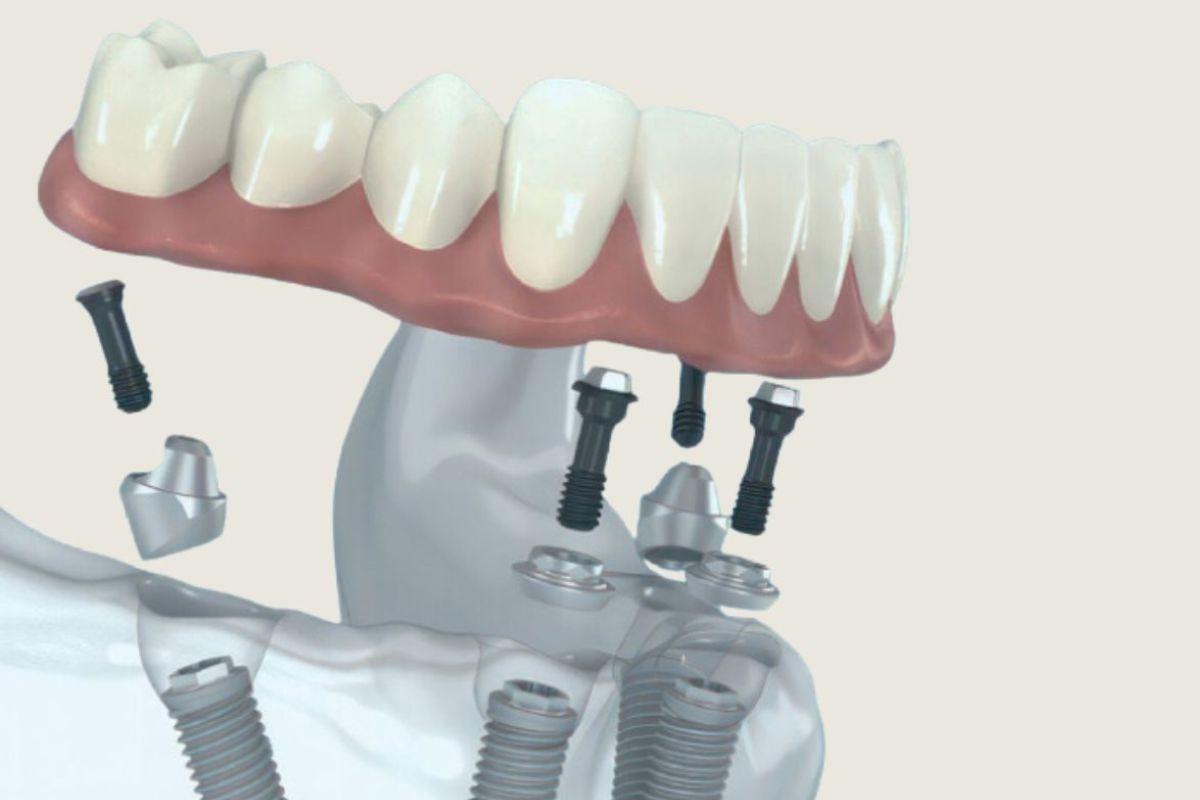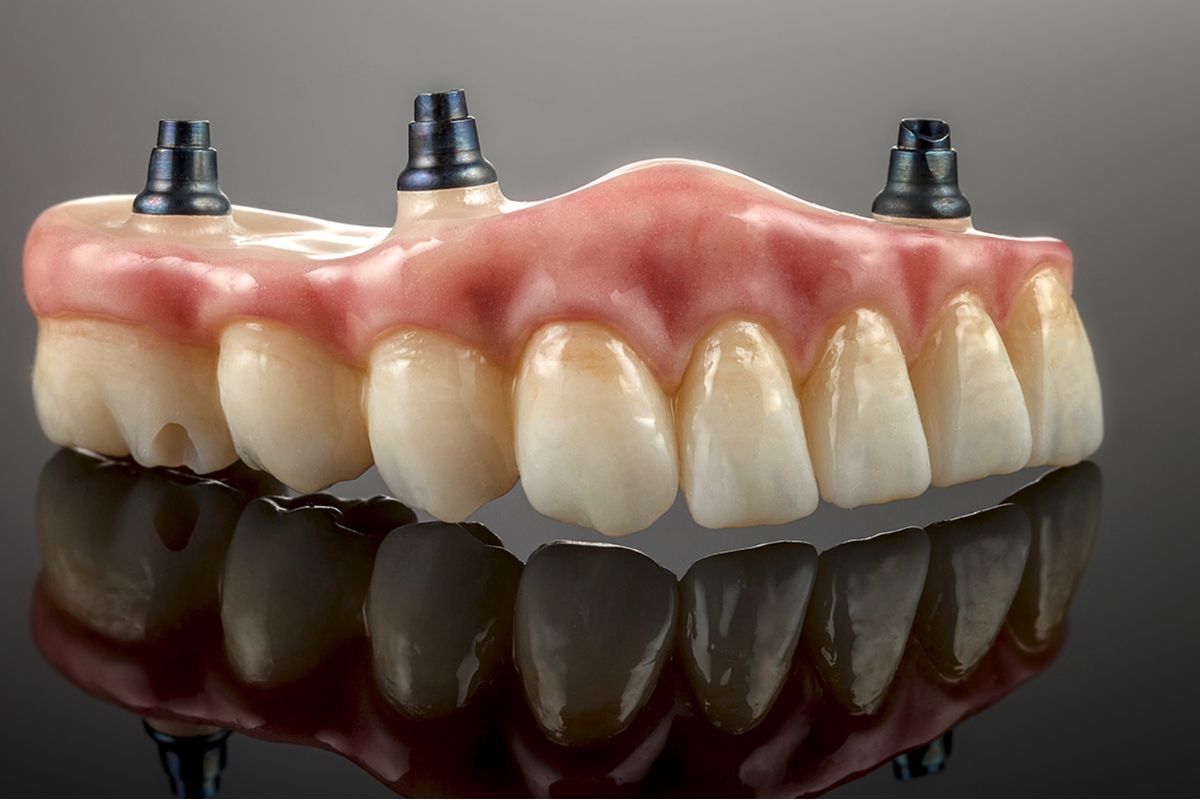

Losing multiple teeth can affect more than just your appearance. It can make eating difficult, impact speech, and gradually lead to changes in your jawbone. For many people looking for a long-term solution, the all-on-4 dental implant procedure offers a way to restore a full arch of teeth with fewer implants than traditional methods.
One of the most common questions patients ask is whether they need bone grafting before receiving All-on-4 implants. The answer is not always straightforward. While some patients may require additional bone support, many can move forward with treatment without bone grafting. Understanding how the process works can help you know what to expect and whether bone grafting may be part of your treatment plan.
Why Does Bone Health Matter Before All-on-4 Treatment?
Before moving forward with the all-on 4 dental implant procedure, your dentist will evaluate the condition of your jawbone. Dental implants rely on healthy bone for support, so the amount and quality of bone available can influence the treatment plan.
Many people who have been missing teeth for years worry that bone loss will prevent them from getting implants. Fortunately, All-on-4 treatment is often designed to work around mild to moderate bone loss. However, some patients may still require additional procedures to create a stable foundation.
Understanding how bone loss affects implant placement can help explain why some patients need bone grafting while others do not.
Why Does Jawbone Loss Happen?
Your jawbone relies on tooth roots for stimulation. When teeth are lost, that stimulation disappears, and the bone can gradually shrink over time.
Several factors can contribute to jawbone loss, including:
- Missing teeth for an extended period
- Advanced gum disease
- Dental infections
- Facial injuries
- Long-term denture use
As bone volume decreases, there may be less support available for dental implants. This is why evaluating bone health is an important step before treatment begins.
What Is Bone Grafting?
Bone grafting is a procedure that helps rebuild areas of the jaw where bone has been lost. During treatment, grafting material is placed into the affected area to encourage new bone growth.
The goal is to create a stronger foundation that can support dental implants in the future.
Depending on the patient’s needs, grafting material may come from:
- The patient’s own bone
- Donor bone material
- Synthetic materials
- Specially processed biologic materials
After the procedure, the area typically requires time to heal before implant placement can occur.
Do All Patients Need Bone Grafting Before All-on-4 Treatment?
No. In fact, one of the biggest advantages of All-on-4 treatment is that many patients can avoid bone grafting altogether.
The design of all-on-4 implants allows dentists to take advantage of areas where bone remains strongest. By placing the back implants at specific angles, they can often achieve stability even when some bone loss has occurred.
This is one reason why All-on-4 has become a popular option for individuals who have been told they may not have enough bone for traditional implant treatment.
However, every patient is different. Some people have enough healthy bone to support immediate implant placement, while others may need additional preparation before treatment can proceed.
When Might Bone Grafting Be Recommended?
Although many patients can avoid grafting, there are situations where it may still be necessary.
Significant Jawbone Loss
When bone loss is severe, there may not be enough support to safely secure the implants. Bone grafting can help rebuild the area and improve implant stability.
Advanced Gum Disease Damage
Periodontal disease can destroy both gum tissue and supporting bone. If enough bone has been lost, grafting may be recommended before implant placement.
Long-Term Tooth Loss
Patients who have been missing teeth for many years often experience greater levels of bone shrinkage. The longer teeth are absent, the greater the likelihood that additional bone support may be needed.
Severe Bone Deficiencies in Certain Areas
Some patients have specific areas of the jaw where bone volume is insufficient. In these cases, targeted grafting may help create a stronger foundation for successful treatment.
How Dentists Determine Whether Bone Grafting Is Necessary
A thorough evaluation is the best way to determine whether bone grafting is needed.
The evaluation may include:
- A comprehensive oral examination
- Digital X-rays
- 3D cone beam imaging
- Assessment of bone density and volume
- Review of medical and dental history
These tools help create a personalized treatment plan based on each patient’s unique needs.
What Are the Benefits of Avoiding Bone Grafting When Possible?
When bone grafting is not necessary, patients may experience several advantages.
These can include:
- Fewer surgical procedures
- Shorter treatment timelines
- Reduced healing periods
- Faster progression toward final restoration
- Less overall treatment complexity
Because the All-on-4 approach is designed to maximize available bone, many patients are able to enjoy these benefits.
What Happens If You Need Bone Grafting First?
If bone grafting is recommended, it does not necessarily mean you cannot receive All-on-4 implants.
The process typically begins with the grafting procedure, followed by a healing period that allows the new bone to develop and strengthen. Once healing is complete, your dentist can evaluate the area and determine when implant placement can proceed.
Following all post-treatment instructions is important during this stage because proper healing plays a significant role in long-term implant success.
Restoring Your Smile With Confidence and the Right Treatment Plan
Understanding whether you need bone grafting before the All-on-4 dental implant procedure starts with a comprehensive evaluation of your oral health and jawbone condition. While many patients can move forward with all-on-4 implants without additional bone-building procedures, others may benefit from bone grafting to create a stronger foundation for long-term success.
At Jersey City Dental, we are committed to helping patients understand their treatment options and make informed decisions about their oral health. If you are considering All-on-4 treatment in Jersey City and would like to learn whether bone grafting may be necessary, contact us to schedule an appointment with our team today.