
By Jersey City Dental | November 11, 2026
Gaps between teeth can make some people feel self-conscious about their smiles. Whether you have a noticeable space between your two front teeth or smaller gaps throughout your smile, you may be wondering if there is a way to correct them without wearing traditional metal braces.
The good news is that Invisalign can close many types of gaps between teeth. These custom-made clear aligners gradually move teeth into better positions, helping improve spacing and overall alignment. If you are exploring Invisalign in Jersey City, understanding how the treatment works, who may benefit, and what affects the results can help you make an informed decision.
At Jersey City Dental, patients can explore Invisalign as a discreet orthodontic option for addressing spacing and other alignment concerns. However, the right approach depends on the size of the gaps, their underlying cause, and your overall dental health.
Quick Answer: Can Invisalign Close Gaps in Teeth?
Yes, Invisalign can close many gaps between teeth by using a series of custom clear aligners that gradually move teeth closer together. It can be effective for mild to moderate spacing, including gaps between front teeth. However, treatment suitability depends on the cause and severity of the spacing, your bite, and your oral health.
How Does Invisalign Close Gaps Between Teeth?
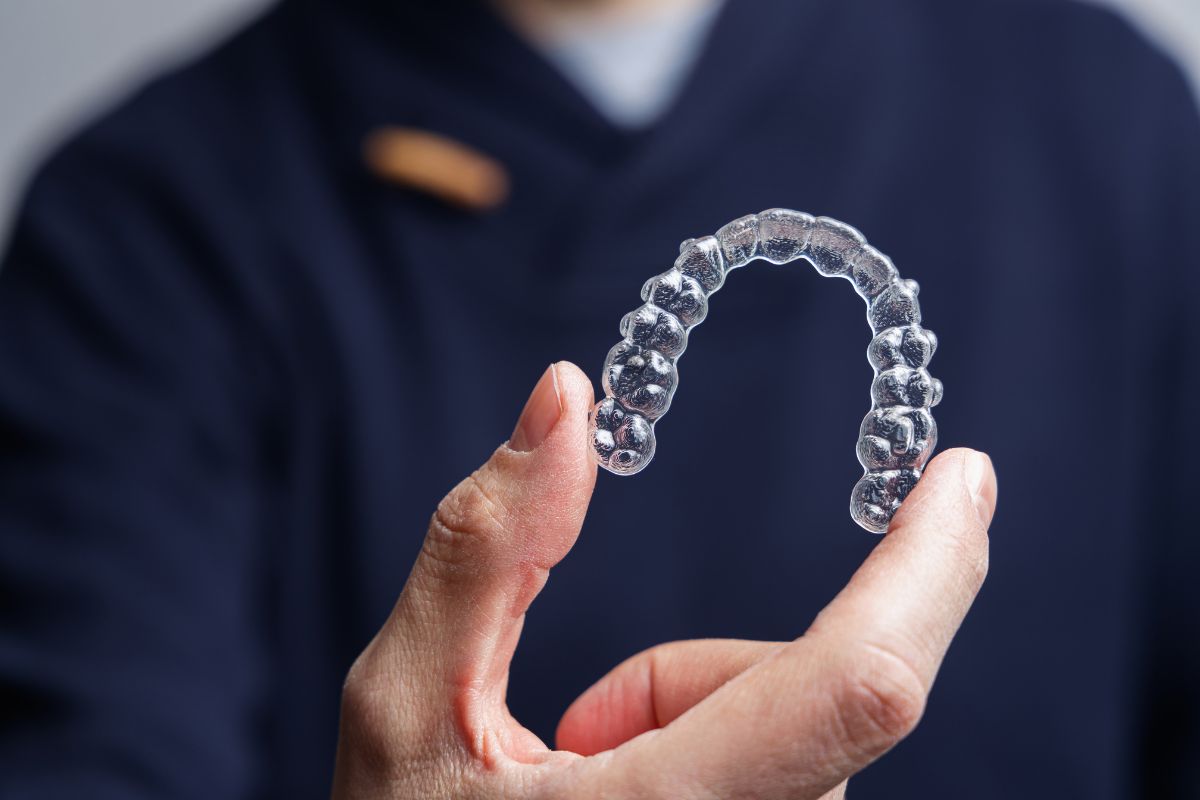
Invisalign uses a series of clear, removable plastic trays designed specifically for your teeth. Each aligner applies controlled pressure to guide certain teeth toward planned positions.
As you progress through the aligner series, your teeth gradually move, reducing unwanted spaces and improving their alignment.
Here is what the process generally involves:
1. Initial Consultation and Dental Evaluation
Your dentist examines your teeth, gums, spacing, and bite to understand what is causing the gaps. Digital scans, photographs, and dental X-rays may be recommended to evaluate your teeth and supporting structures.
This step is important because not every gap has the same cause. Your dentist needs to determine whether orthodontic movement alone is appropriate.
2. Customized Treatment Planning
If Invisalign is suitable, digital impressions or scans help create a personalized treatment plan. The plan maps out how your teeth are expected to move throughout treatment.
It also helps your dental provider determine how many aligners may be needed and whether additional features, such as attachments, are necessary.
3. Wearing Your Clear Aligners
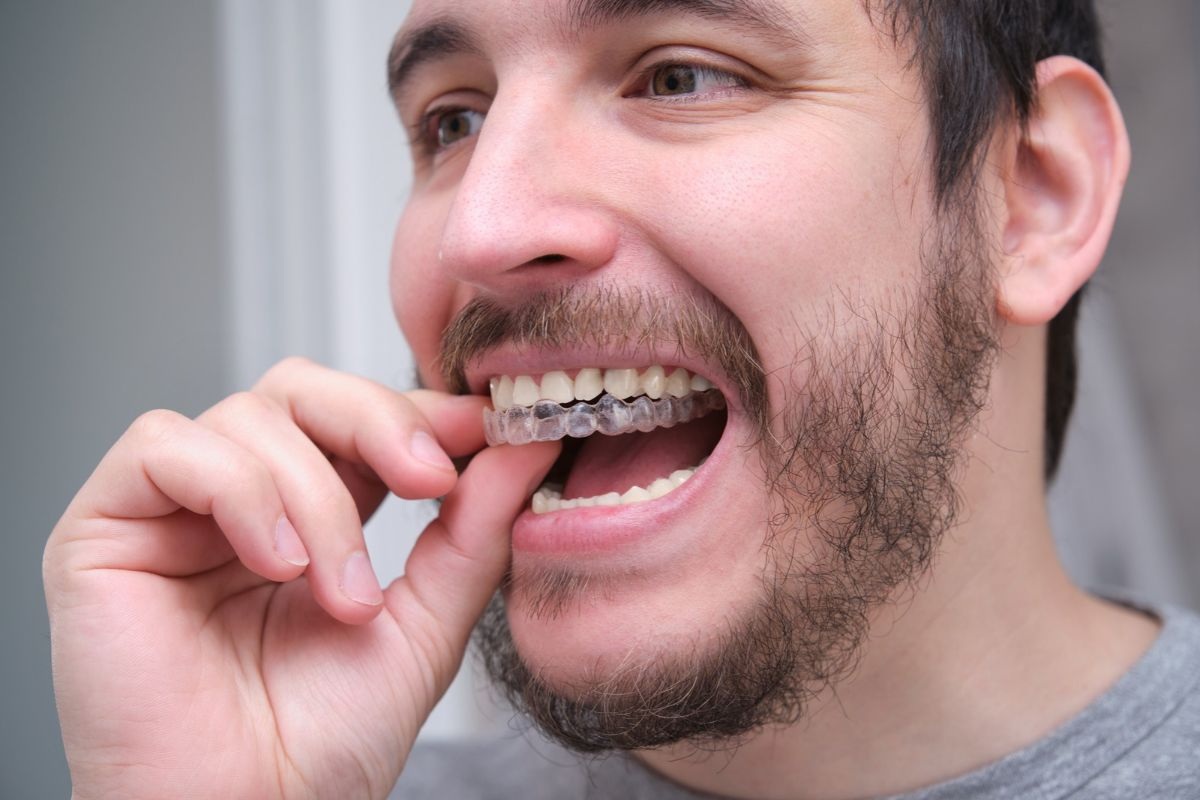
You receive a series of custom aligners that gradually guide your teeth into their planned positions.
Jersey City Dental recommends wearing Invisalign aligners for approximately 20–22 hours per day, removing them for meals, drinks other than water, and brushing and flossing.
Consistency matters. Not wearing your aligners as directed can affect how your teeth respond and may delay progress.
4. Monitoring Your Progress
Periodic dental appointments allow your provider to check whether your teeth are moving as planned. Adjustments to the treatment plan may be necessary if certain teeth are not tracking as expected.
Once active treatment is complete, retainers help maintain the new positions and reduce the risk of gaps reopening.
What Types of Teeth Gaps Can Invisalign Treat?
The suitability of Invisalign depends on the location, size, and cause of the spacing.
Some common types of gaps include:
Gap Between the Two Front Teeth
A gap between the upper front teeth is commonly called a diastema. It is one of the most noticeable forms of tooth spacing.
In many cases, Invisalign can gradually bring these teeth closer together. However, the dentist must first determine why the space exists.
Small Gaps Between Multiple Teeth
Some people have several small spaces throughout their upper or lower teeth. These gaps may occur because of differences between tooth size and jaw size or because of shifting teeth.
Clear aligners may help distribute the available space and improve overall alignment when the case is suitable.
Gaps Caused by Previous Orthodontic Treatment
Teeth can gradually shift after braces or other orthodontic treatment, particularly when retainers are not worn as recommended.
For certain patients, Invisalign may provide a way to correct this spacing without repeating a full course of traditional braces.
Larger or More Complex Gaps
Larger spaces do not automatically rule out Invisalign, but they may require more involved treatment planning.
If gaps are associated with missing teeth, significant bite problems, or other dental conditions, aligners alone may not be the appropriate solution.
What Causes Gaps Between Teeth?
Understanding why gaps develop is just as important as choosing the right treatment.
Some common causes include:
- Tooth and jaw size differences: When teeth are relatively small compared with the jaw, extra space may remain between them.
- Missing teeth: A missing tooth can create an open space and allow neighboring teeth to shift.
- Genetics: Some people naturally develop spaces because of inherited tooth or jaw characteristics.
- Gum disease: Advanced gum disease can weaken the supporting structures around teeth, causing them to move and develop new gaps.
- Tongue pressure and oral habits: Certain habits, including persistent tongue thrusting, may influence tooth positioning over time.
If you notice that gaps are becoming larger or appearing unexpectedly, schedule a dental evaluation. New spacing in adults can sometimes indicate an underlying gum or bite problem that needs attention before orthodontic treatment.
Are You a Good Candidate for Invisalign to Close Tooth Gaps?
Invisalign may be appropriate if you have mild to moderate spacing and generally healthy teeth and gums.
You may be a potential candidate if:
- You have small or moderate gaps between your teeth.
- Your teeth and bite can be corrected with clear aligners.
- You have healthy gums and no untreated dental conditions.
- You can consistently wear your aligners for the recommended daily duration.
- You are interested in a removable and less noticeable alternative to traditional braces.
However, severe alignment concerns, certain bite problems, or untreated gum disease may require a different approach.
If you are unsure whether you qualify, read our guide on who is a good candidate for Invisalign.
A personalized consultation at Jersey City Dental can help determine whether clear aligners are appropriate for your spacing concerns.
How Long Does Invisalign Take to Close Gaps?
There is no single treatment timeline for everyone.
Patients with minor spacing may require less time than those with multiple gaps or additional bite concerns. The number of aligners, the amount of tooth movement required, and how consistently you wear them can all influence treatment duration.
Jersey City Dental notes that traditional Invisalign treatment typically takes around nine to twelve months, although individual cases vary.
During your consultation, your dentist can assess your spacing and discuss a more realistic treatment estimate.
Invisalign vs. Other Treatments for Closing Gaps
Invisalign is not the only option for correcting spaces between teeth. Depending on the cause, your dentist may discuss other treatments.
| Treatment | When It May Be Considered |
|---|---|
| Invisalign | Mild to moderate spacing and certain alignment concerns |
| Traditional braces | More complex spacing or bite problems |
| Dental bonding | Small cosmetic gaps or minor tooth-shape concerns |
| Porcelain veneers | Selected cosmetic cases involving tooth size, shape, and appearance |
| Dental implants or bridges | Replacing missing teeth when a gap results from tooth loss |
These treatments serve different purposes. For example, bonding and veneers can improve the appearance of small spaces, but they do not move teeth into new positions like orthodontic treatment.
The best option depends on your dental condition and desired results.
How Can You Keep Gaps from Reopening After Invisalign?
Closing the spaces is only one part of successful orthodontic treatment. Maintaining the results also matters.
After Invisalign treatment, follow these practical steps:
- Wear your retainer: Follow your dentist’s instructions regarding how often to wear it.
- Maintain good oral hygiene: Brush twice daily and floss regularly to support healthy teeth and gums.
- Attend follow-up visits: Regular dental appointments help monitor your oral health and alignment.
- Address new spacing early: Contact your dentist if you notice teeth shifting or gaps returning.
Retainers are particularly important because teeth can naturally move over time, even after successful orthodontic treatment.
FAQs About Invisalign for Gaps Between Teeth
1. Can Invisalign close a gap between the two front teeth?
Yes. Invisalign can close many front-tooth gaps by gradually moving the teeth closer together. However, the dentist must evaluate the gap’s size, cause, and relationship to your bite before recommending treatment.
2. Can Invisalign close large gaps between teeth?
Invisalign may address some larger gaps, but treatment becomes more complex depending on the amount of movement required and the underlying cause. Some patients may need braces or additional dental procedures.
3. Does Invisalign work faster for small gaps?
Smaller gaps may require less tooth movement than extensive spacing, potentially shortening treatment. However, the actual timeline depends on your individual treatment plan and how consistently you wear your aligners.
4. Will my teeth develop gaps again after Invisalign?
Gaps can reopen if teeth shift after treatment. Wearing your retainers as instructed and attending follow-up appointments can help maintain your results.
5. Is Invisalign better than bonding for closing gaps?
Neither option is universally better. Invisalign moves teeth to correct their alignment, while bonding adds tooth-colored material to improve appearance. Your dentist can recommend the more appropriate treatment based on the cause and size of the gap.
Conclusion: Explore Your Options for Closing Gaps Between Teeth
So, can Invisalign close gaps in teeth? In many cases, yes. Clear aligners can gradually correct unwanted spacing and improve the alignment of your smile without traditional metal braces.
However, the best treatment depends on why the gaps developed, how much movement is needed, and whether your teeth and gums are healthy enough for orthodontic care.
If you are considering Invisalign in Jersey City, NJ, Jersey City Dental can evaluate your smile and discuss whether clear aligners may be appropriate for your needs. Our practice is a Platinum Invisalign Provider and offers personalized treatment planning for patients interested in improving their tooth alignment.
Ready to explore your options? Contact Jersey City Dental at +1 5513690419 to schedule an Invisalign consultation and take the first step toward a more evenly aligned smile.