
Getting braces off is a big moment. After months—or even years—of adjustments and checkups, it’s natural to feel eager when your smile starts looking “done.” This is why many patients begin asking about early brace removal once their teeth appear straighter. While the idea can be tempting, it’s important to understand what early removal really means and how it can affect your long-term results.
Braces don’t just straighten teeth for appearance. They also correct bite alignment and help teeth settle into stable positions. Removing them before treatment is fully complete can sometimes create problems that aren’t visible right away.
What Does Early Braces Removal Mean?
Early removal of braces means removing them before the orthodontic treatment plan is officially completed. This doesn’t mean treatment has failed—it simply means it’s ending sooner than originally planned.
In some cases, teeth may look straight on the surface, but underlying alignment or bite issues may still need time to stabilize. Orthodontic treatment works gradually, and timing plays a key role in long-term success.
Why Do Patients Consider Removing Braces Early?
There are several common reasons people ask about early removal:
- Ongoing discomfort or irritation
- Upcoming life events like weddings or graduations
- Difficulty maintaining oral hygiene with braces
- Feeling satisfied with how their smile looks already
These concerns are understandable, but appearance alone doesn’t always reflect whether treatment is truly complete.
The Risks of Removing Braces Too Soon
Ending orthodontic treatment early can lead to challenges later on, such as:
- Teeth shifting back toward their original positions
- Bite problems that weren’t fully corrected
- Jaw imbalance or uneven wear on teeth
- The need for additional treatment in the future
Teeth naturally want to move, especially if they haven’t had enough time to settle properly.
When Can Early Braces Be Removed?
In limited situations, early removal might be considered safe. This usually applies when:
- Alignment issues were mild from the start
- Treatment goals have already been met
- Retainers will be worn exactly as directed
- Progress is closely evaluated by a dental professional
Even then, careful monitoring is essential.
How Readiness for Braces Removal Is Evaluated?
Deciding when to take off braces isn’t based on looks alone. Factors that are carefully checked include:
- Tooth spacing and alignment
- How the upper and lower teeth fit together
- Jaw balance and stability
- X-rays and overall treatment progress
This is why professional guidance matters—it helps protect the results you’ve worked so hard to achieve.
Life After Early Braces Removal
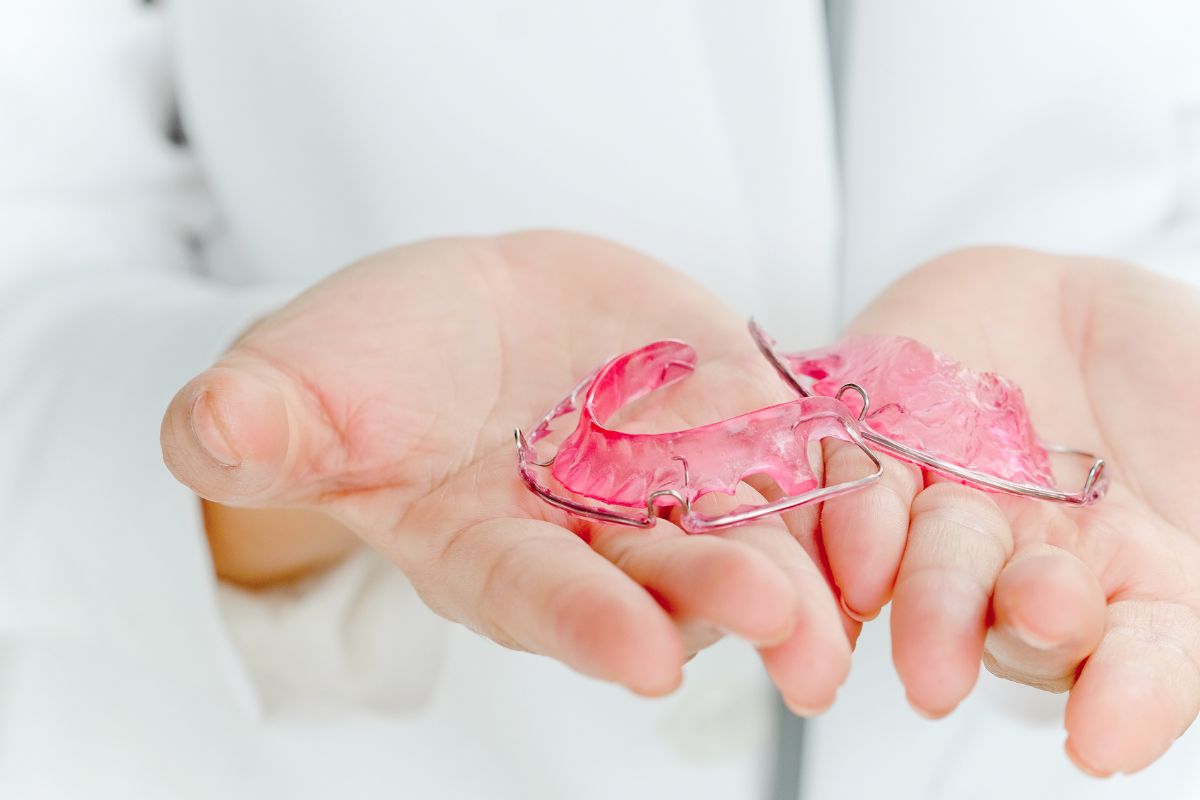
If braces are removed early, wearing a retainer becomes even more important. Retainers help hold teeth in place while the bone and gums adjust. Skipping or inconsistently wearing a retainer can quickly undo progress.
Regular follow-ups may also be needed to make sure teeth remain stable over time.
When is it better to wait?
If bite issues remain or teeth haven’t fully settled, waiting a little longer can make a big difference. Completing treatment as planned often prevents future complications and helps avoid the need for retreatment later on.
If you’re unsure about your progress or feeling uncomfortable, it’s always okay to contact us mid-treatment to discuss concerns and explore safe options.
Protect Your Smile Results with the Right Timing – Jersey City Dental
Early removal of braces is a personal decision, but it should never be rushed. Taking the time to complete treatment properly can help ensure your smile stays healthy, balanced, and stable for years to come. An orthodontist in New Jersey can help determine whether early removal is appropriate and guide you through the safest next steps.
If you have questions about your braces or treatment timeline and live in NJ, you can visit our dental office for clear answers and personalized guidance from our team.