By Jersey City Dental | April 15, 2025
Malocclusion, or misalignment of teeth and jaws, is a common dental condition that can cause more than cosmetic concerns. While many people assume that fixing a bite requires a trip to a specialist, general dentists trained in orthodontic treatment can effectively diagnose and correct many cases of malocclusion right in their own office. Here’s how that works.
Understanding Malocclusion, Briefly
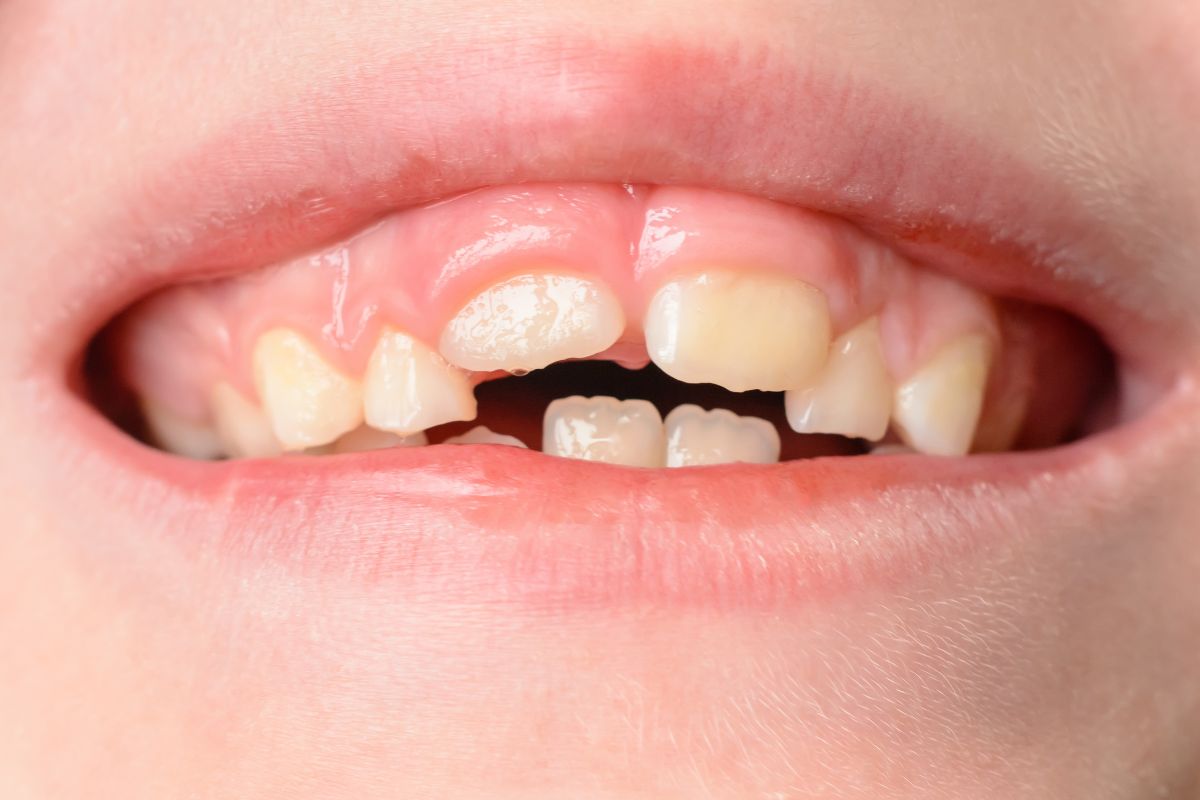
Malocclusion covers a range of bite issues: overbite, underbite, crossbite, open bite, and overcrowding caused by factors like genetics, thumb sucking, jaw injuries, or early loss of baby teeth. If left untreated, it can affect chewing, speech, and oral hygiene, and may eventually contribute to gum disease or TMJ disorders. For a full breakdown of causes and each type of malocclusion, see our guide: What Causes Malocclusion and How Can It Be Treated?
This article answers the question: Do you actually need to see a specialist to get it treated?
How Do Dentists Diagnose Malocclusion?
At Jersey City Dental, our dentists are trained to identify and treat many forms of misalignment in teeth and jaws. We begin with a thorough evaluation, which may include digital X-rays, 3D imaging, and a bite analysis. This comprehensive diagnostic process helps determine the type of malocclusion and the best treatment plan to address it.
Not all malocclusions are the same. Some may require minor tooth adjustments, which our team can manage directly. More complex skeletal cases may call for a referral to an oral surgeon for jaw repositioning. Either way, treatment is tailored to fit the patient’s individual needs, age, and oral health condition.
Treatment Options for Malocclusion
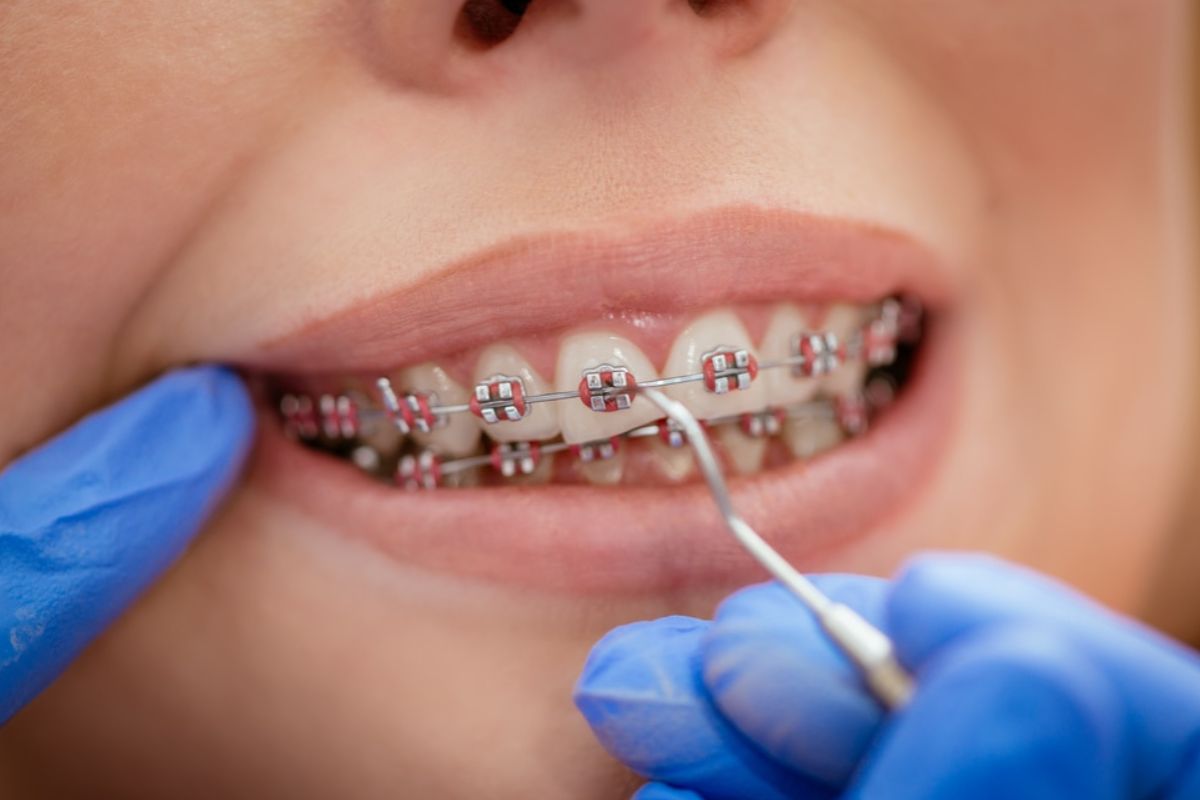
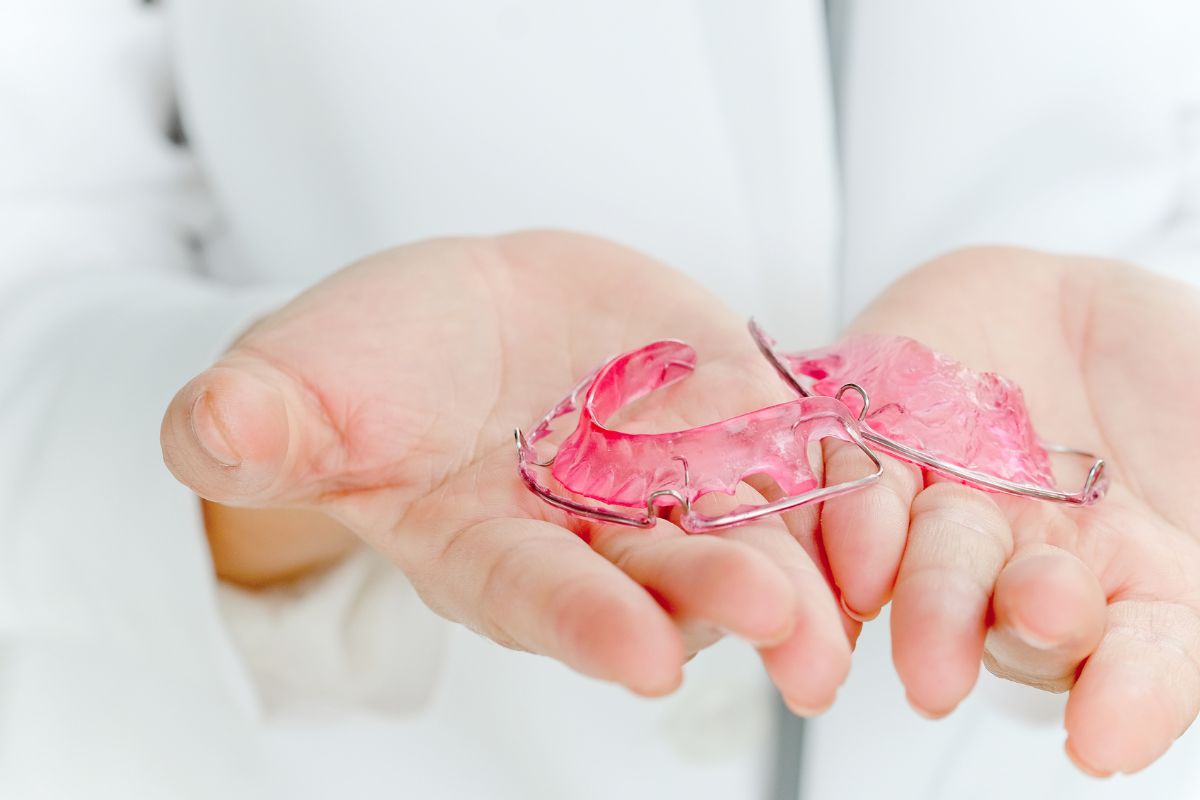
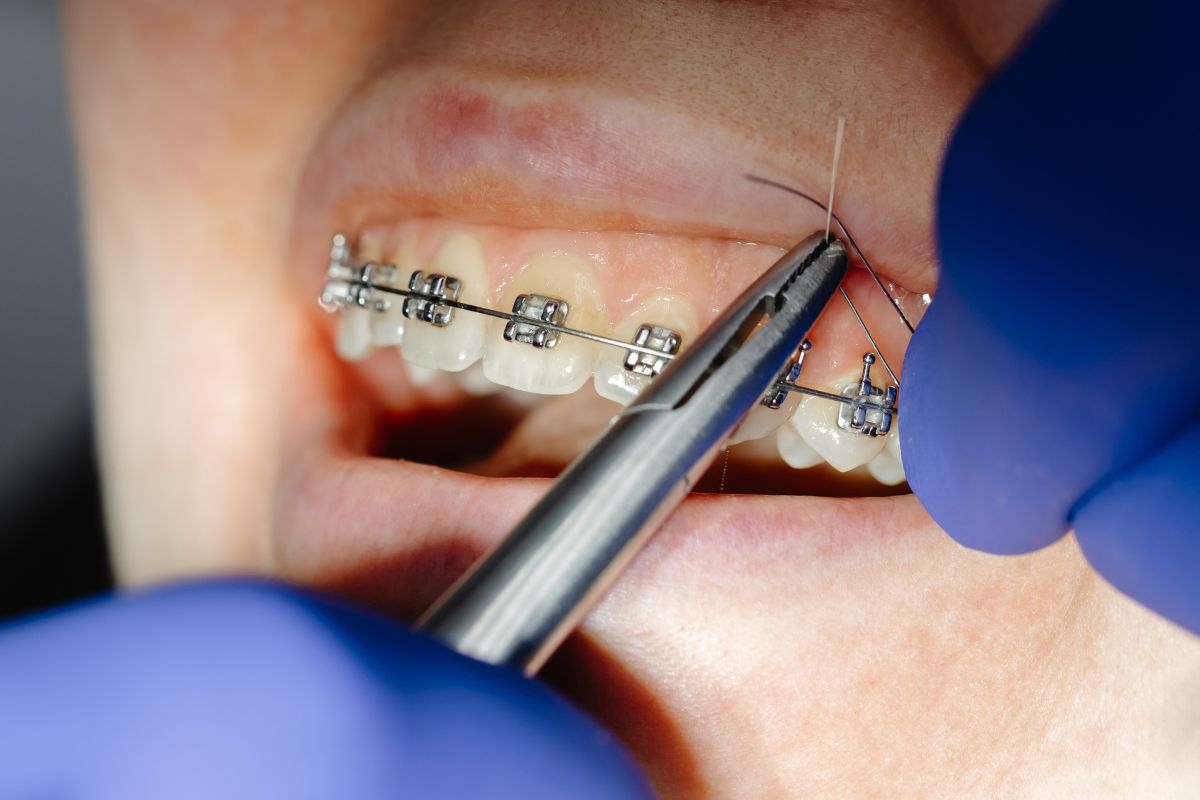
Our team uses various tools and techniques to treat malocclusion, ranging from traditional metal braces to more advanced options like clear aligners such as Invisalign. We may also recommend orthodontic appliances like palate expanders, and in more severe cases, we’ll coordinate care with an oral surgeon.
The key to effective treatment is applying gentle, controlled pressure to move teeth into their correct positions over time. This improves the smile’s appearance, enhances bite function, and reduces strain on the jaw muscles.
For those seeking treatment options, scheduling a consultation gives you access to modern orthodontic solutions for both cosmetic and functional needs without needing a separate specialist referral for most cases.
Long-Term Benefits of Treating Malocclusion
Correcting malocclusion isn’t just about aesthetics; it’s a step toward better oral health. Proper teeth alignment makes brushing and flossing more effective, reducing the risk of plaque buildup and gum disease. A well-aligned bite also prevents excessive wear on certain teeth, reducing the likelihood of fractures or uneven tooth erosion over time.
In addition, treating malocclusion can help relieve jaw pain, headaches, and even speech difficulties sometimes linked to bite problems. With early detection and consistent treatment, most cases can be managed successfully, leading to a healthier smile and improved quality of life.
When Does Malocclusion Need a Specialist?
Most cases of malocclusion, particularly those involving individual tooth positioning, crowding, or mild-to-moderate bite misalignment, a general dentist trained in orthodontic treatment can manage. However, some situations call for a referral:
- Malocclusion caused primarily by jaw bone structure rather than tooth position (skeletal malocclusion)
- Cases requiring orthognathic (jaw) surgery
- Complex bite issues combined with significant TMJ dysfunction
If your case falls into one of these categories, we’ll let you know during your evaluation and help coordinate care with the right specialist, so you’re never left guessing about next steps.
Conclusion
General dentists trained in orthodontic treatment are well equipped to diagnose and manage many cases of malocclusion using personalized strategies. Whether you’re dealing with mild overcrowding or a more complex bite issue, our team can help and coordinate specialist care when needed. At our dental office, patients receive dentist-led orthodontic care designed to improve function and aesthetics and lay the foundation for lifelong oral health.
Frequently Asked Questions
Do I need a referral to see a specialist for malocclusion?
Not necessarily. Our team evaluates your bite first and will only recommend a referral if your case genuinely requires specialized surgical care.
How long does malocclusion treatment typically take?
It depends on severity; mild cases may resolve in several months with aligners, while more involved cases with braces can take one to two years or longer.
Can adults still get treatment for malocclusion?
Yes. While early childhood evaluation is ideal, adults can and do successfully complete orthodontic treatment at any age, often with clear aligners for a more discreet option.