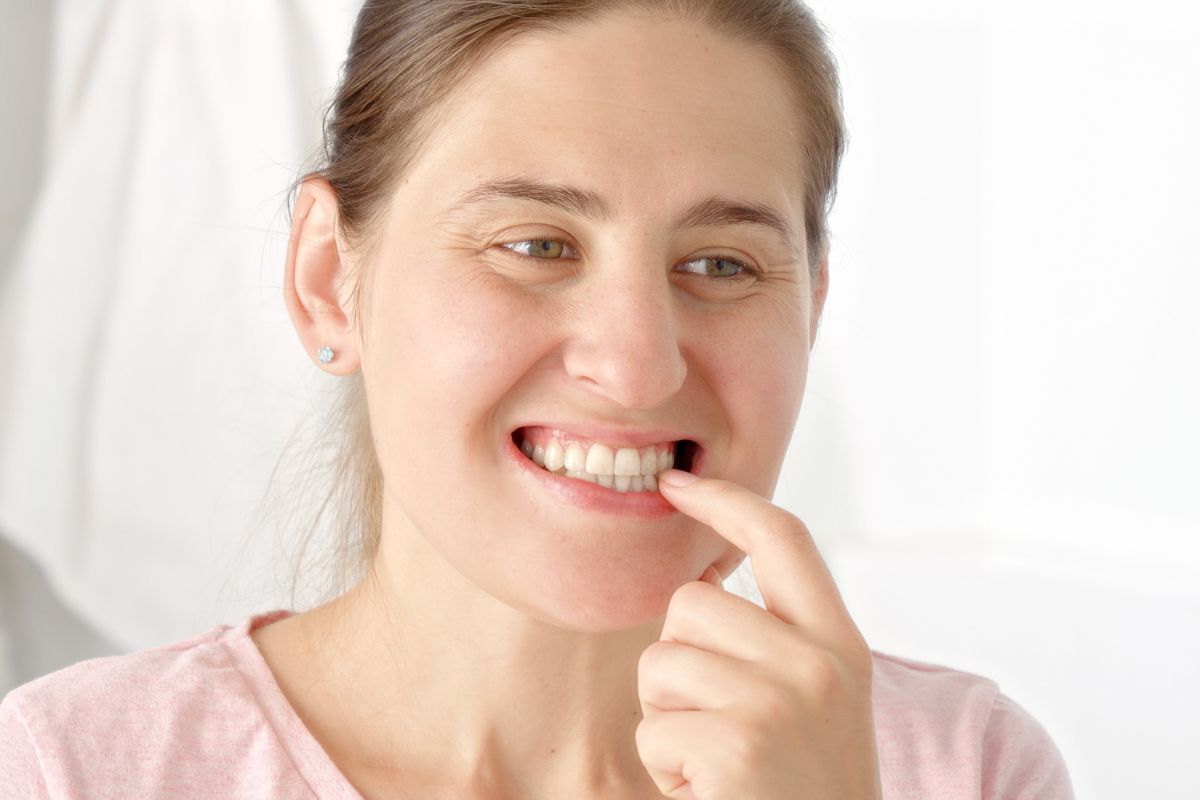

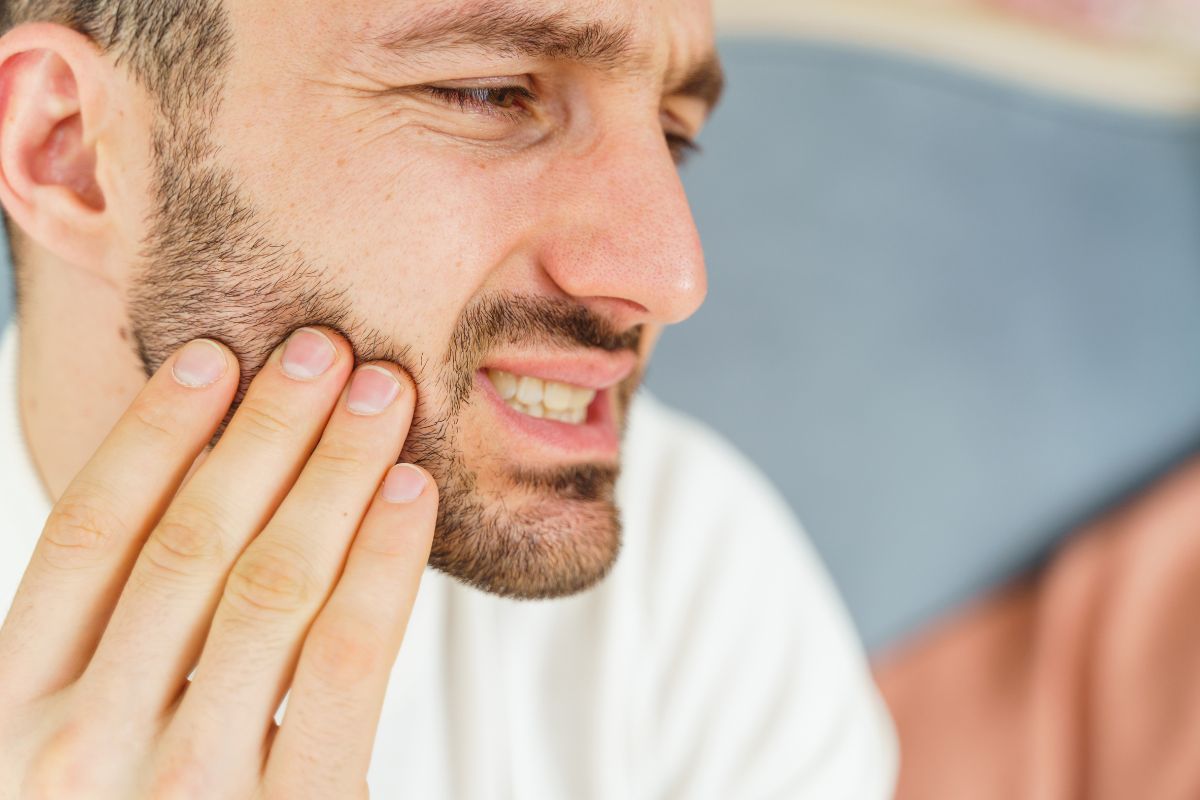
You take a sip of hot coffee or bite into something cold, and suddenly there’s a sharp zing in your tooth. It catches you off guard, and for a moment, you wonder if it’s just normal sensitivity—or something more serious.
Tooth sensitivity is common, but in some cases, it can point to an underlying issue that needs attention. One question dentists hear often is whether sensitivity could be a sign of a cracked tooth. Let’s break it down in a simple, easy-to-understand way.
What Tooth Sensitivity Really Feels Like?
Tooth sensitivity usually shows up as a quick, sharp pain when your teeth are exposed to hot, cold, sweet, or even pressure from chewing. For some people, it fades quickly. For others, it lingers or keeps coming back.
Occasional sensitivity isn’t always a problem. But when it becomes frequent or more intense, it’s worth paying attention to what your teeth may be trying to tell you.
Can Tooth Sensitivity Mean a Cracked Tooth?
Yes, tooth sensitivity can be a sign of a cracked tooth—but it’s not the only possible cause.
A crack can allow temperature changes and pressure to reach the tooth’s sensitive inner layers. This often results in discomfort that feels unpredictable. One day it hurts, the next day it doesn’t, which can make the issue easy to ignore.
Unlike a cavity, a cracked tooth doesn’t always cause constant pain, making it harder to recognize without a dental exam.
Signs a Crack May Cause Your Sensitivity
Some symptoms are more commonly linked to cracked teeth, including:
- Pain when biting or releasing pressure
- Sensitivity that comes and goes without warning
- Sharp discomfort in one specific tooth
- Swelling or irritation near the affected area
If you notice these signs along with sensitivity, a crack may be the reason.
Other Common Causes of Tooth Sensitivity
Not all sensitivity means a cracked tooth. Other possible causes include:
- Enamel wear from brushing too hard
- Cavities
- Gum recession exposing the tooth root.
- Teeth grinding or clenching.
- Temporary sensitivity after dental treatments
A professional exam is the best way to determine the exact cause.
Why Ignoring a Cracked Tooth Can Make Things Worse?
Small cracks don’t always stay small. Over time, chewing and biting can cause them to spread deeper into the tooth. This increases the risk of infection, pain, and the need for more involved treatment later.
Addressing the problem early often means simpler care and better outcomes.
What to Do If You Think You Have a Cracked Tooth?
If you suspect a cracked tooth:
- Avoid chewing on that side
- Stay away from very hot or very cold foods.
- Don’t ignore recurring pain.
If discomfort persists and you’re seeking a dentist near you in Jersey City, NJ, due to sudden tooth sensitivity, it’s important not to wait; contact us for a professional evaluation.
How do Dentists Identify a Cracked Tooth?
Cracked teeth aren’t always visible to the naked eye. Dentists use a combination of:
- Careful visual exams
- Bite tests to pinpoint pain
- Imaging to check beneath the surface
Some cracks are very fine, which is why professional tools and experience matter.
Treatment Options for a Cracked Tooth
Treatment depends on how deep the crack is:
- Dental bonding for minor cracks
- Crowns to protect and strengthen the tooth
- Root canal treatment if the nerve is affected
- Tooth removal in severe cases where repair isn’t possible
Early care often means more conservative treatment options.
Get Relief from Tooth Sensitivity at Jersey City Dental
Tooth sensitivity isn’t something you should ignore—especially when it keeps coming back or feels different than usual. A cracked tooth may not always be obvious, but addressing concerns early can help protect your smile and prevent more serious problems down the road.
If you’re in New Jersey, NJ, and dealing with ongoing sensitivity or discomfort, Jersey City Dental is here to help you understand what’s happening and guide you toward the right next step. You can visit our dental office to have your symptoms evaluated and get clear answers with confidence.