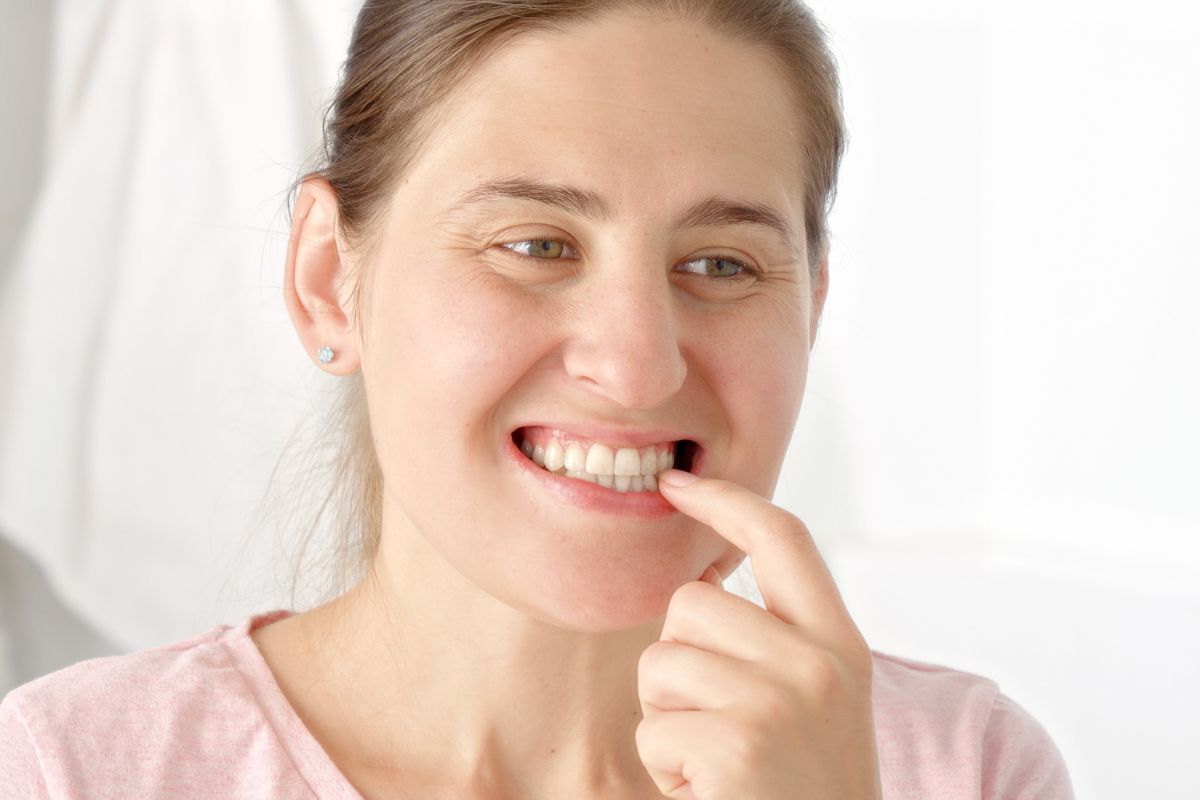


Tooth decay, also known as dental caries or cavities, is one of the most common chronic conditions affecting both children and adults. It occurs when the enamel, the hard outer layer of the tooth, gets damaged by acids produced by bacteria in the mouth. If left untreated, it can lead to pain, infection, and even tooth loss. Understanding what causes tooth decay is the first step toward prevention and better oral health.
1. Poor Oral Hygiene Habits
Neglecting daily brushing and flossing allows plaque, a sticky film of bacteria, to build up on your teeth. These bacteria feed on sugars from the food you eat and produce acids that gradually erode the tooth enamel. Over time, this damage leads to cavities. Brushing twice a day with fluoride toothpaste and flossing once a day can help remove plaque and prevent decay.
2. Frequent Snacking and Sugary Drinks
Snacking constantly, especially on sugary or starchy foods, provides bacteria with a continuous source of fuel to produce acid. The more frequently your teeth are exposed to sugar, the higher the risk of enamel breakdown. Sodas, sports drinks, juices, and sweetened coffee can also accelerate decay. Water is always the best choice for maintaining oral health.
3. Lack of Fluoride
Fluoride is a naturally occurring mineral that strengthens tooth enamel and makes it more resistant to acid attacks. If you don’t use fluoride toothpaste or live in an area without fluoridated water, your teeth may be more vulnerable to decay. Your dentist may recommend fluoride treatments or supplements if needed.
4. Dry Mouth
Saliva helps neutralize acids, wash away food particles, and protect enamel. When your mouth doesn’t produce enough saliva due to medications, medical conditions, or dehydration, it can create the perfect environment for tooth decay. Chewing sugar-free gum and staying hydrated can help stimulate saliva production.
5. Deep Pits and Fissures
Some people naturally have deep grooves and crevices in their teeth, especially on the chewing surfaces of molars. These areas can trap food and bacteria, making them hard to clean with a toothbrush alone. Dental sealants can be applied to these areas to prevent decay.
6. Age and Worn Dental Work
Older adults may face a higher risk of tooth decay due to receding gums, which expose the softer root surfaces of teeth. In addition, worn-out fillings, crowns, or bridges can create spaces where bacteria can thrive. Regular dental visits help catch and address these issues early.
7. Diet Low in Nutrients
A diet lacking in essential nutrients like calcium, vitamin D, and phosphorus can weaken your teeth over time. Eating a balanced diet with plenty of vegetables, fruits, lean proteins, and dairy products helps keep your teeth strong and supports overall oral health.
In the midst of all these risk factors, it’s important to have a professional care routine in place. Suppose you’re searching for a dentist near Jersey City for comprehensive preventive care and cavity treatments. In that case, a qualified provider can help identify early signs of decay and recommend a tailored plan to protect your smile.
Conclusion
Tooth decay doesn’t happen overnight it’s the result of lifestyle choices, habits, and sometimes even genetics. The good news? With proper oral hygiene, a balanced diet, and regular dental visits, you can significantly reduce your risk of cavities.
Contact Jersey City Dental today to schedule your next check-up and take the first step toward a healthier, decay-free smile. Your oral health is our priority!