
Oral cancer is a serious health condition that can affect the lips, tongue, cheeks, gums, and other parts of the mouth. Early detection through oral cancer screening is crucial for effective treatment and improved outcomes. In this blog, we will discuss the screening guidelines for oral cancer, helping you understand the importance of regular check-ups and what to expect during an oral cancer screening.
What is Oral Cancer?
Oral cancer includes cancers of the mouth and throat. It often begins in the cells lining the mouth and throat and can spread to nearby tissues or other parts of the body. Key risk factors for oral cancer include tobacco use, excessive alcohol consumption, and human papillomavirus (HPV) infection. Early-stage oral cancer may not present noticeable symptoms, which is why regular screenings are essential.
Importance of Oral Cancer Screening
Oral cancer screening is a preventive measure that helps detect cancerous or precancerous lesions before they become more serious. Early detection can significantly increase the chances of successful treatment and recovery. Regular screenings can also identify changes in the mouth’s health that may indicate other oral health issues.
Recommended Oral Screening Guidelines
1. Regular Dental Check-ups: The American Dental Association (ADA) and the American Academy of Oral and Maxillofacial Pathology (AAOMP) recommend that adults undergo regular dental check-ups every six to twelve months. During these visits, your dentist will perform a visual and physical examination of your mouth, including checking for signs of oral cancer. These routine check-ups are an opportunity for early detection and intervention.
2. Self-Exams: In addition to professional screenings, performing self-exams at home can help you detect potential issues early. The ADA suggests checking your mouth regularly for any unusual changes, such as lumps, sores, or discoloration. If you notice any persistent abnormalities, schedule an appointment with your dentist promptly.
3. High-Risk Patients: Individuals with a higher risk of oral cancer should have more frequent screenings. High-risk factors include:
Tobacco use (smoking or chewing)
Excessive alcohol consumption
HPV infection
A history of oral cancer or precancerous lesions If you fall into one or more of these categories, discuss a tailored screening schedule with your dentist to ensure early detection.
Age and Health Status: While oral cancer can occur at any age, the risk increases with age. Adults over the age of 40 are more likely to be affected. Individuals with certain health conditions or those undergoing treatments that affect the immune system may also require more frequent screenings. Your dentist can provide personalized recommendations based on your overall health and age.
What to Expect During an Oral Cancer Screening
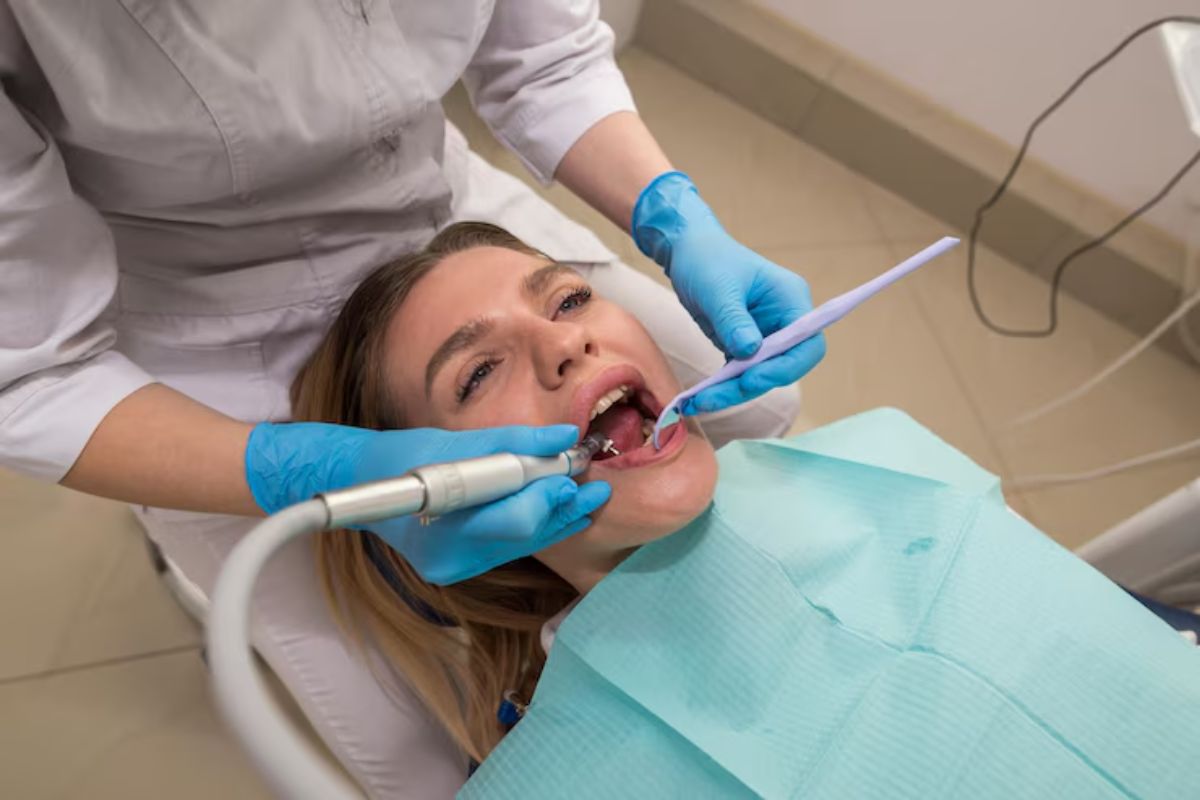
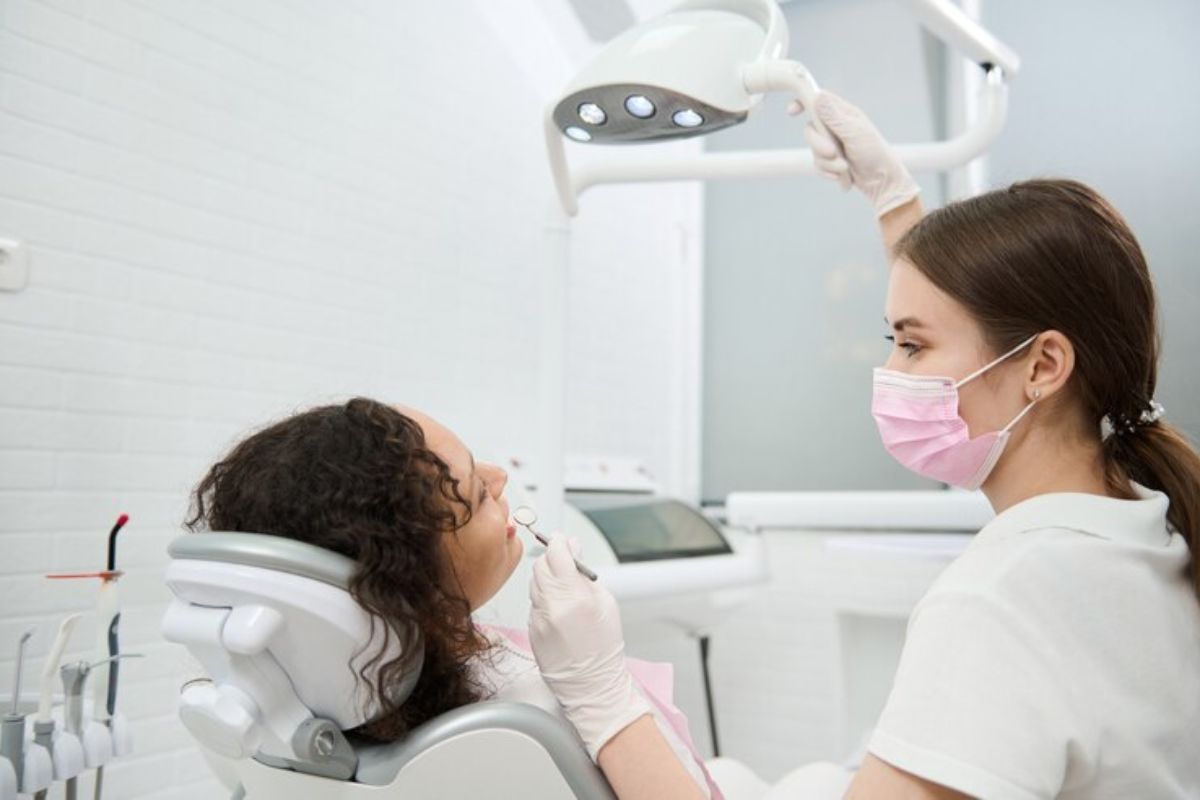
Visual Examination: During your dental visit, your dentist will visually inspect the inside of your mouth, including your lips, tongue, cheeks, and gums. They will look for any abnormal growths, sores, or discolorations that could indicate oral cancer.
Physical Examination: Your dentist may also perform a physical examination by feeling the tissues in your mouth and neck for any unusual lumps or swelling. This tactile assessment helps identify any potential areas of concern that might not be visible.
Additional Tests: If your dentist detects any abnormalities, they may recommend additional tests. These may include:
Biopsy: A small sample of tissue is taken for laboratory analysis to determine if cancer cells are present.
Oral Brush Biopsy: A brush is used to collect cells from the surface of a suspicious area for examination.
Imaging Tests: X-rays or other imaging techniques may be used to assess the extent of any abnormalities.
Addressing Concerns and Next Steps
If an oral cancer screening reveals any suspicious findings, your dentist will discuss the results with you and outline the next steps. This may involve further diagnostic tests, referral to a specialist, or a treatment plan. Early diagnosis is crucial for effective treatment, so addressing any concerns promptly is essential.
Prevention and Lifestyle Changes
While regular screenings are vital, adopting a healthy lifestyle can also reduce your risk of oral cancer. Consider the following preventive measures:
- Avoid Tobacco: Refrain from smoking or using smokeless tobacco products.
- Limit Alcohol Consumption: Reduce your intake of alcoholic beverages.
- Maintain Good Oral Hygiene: Brush and floss regularly and visit your dentist for routine check-ups.
- Protect Your Lips: Use lip balm with SPF to protect against sun damage.
Oral cancer screening is a critical component of maintaining oral health and ensuring early detection of potential issues. By following recommended guidelines, including regular dental check-ups and self-exams, you can stay proactive in managing your oral health. If you have any concerns or risk factors, consult with your dentist to discuss a personalized screening schedule and preventive strategies. Early detection and intervention can make a significant difference in the outcome of oral cancer, so prioritize your oral health and schedule regular screenings.