

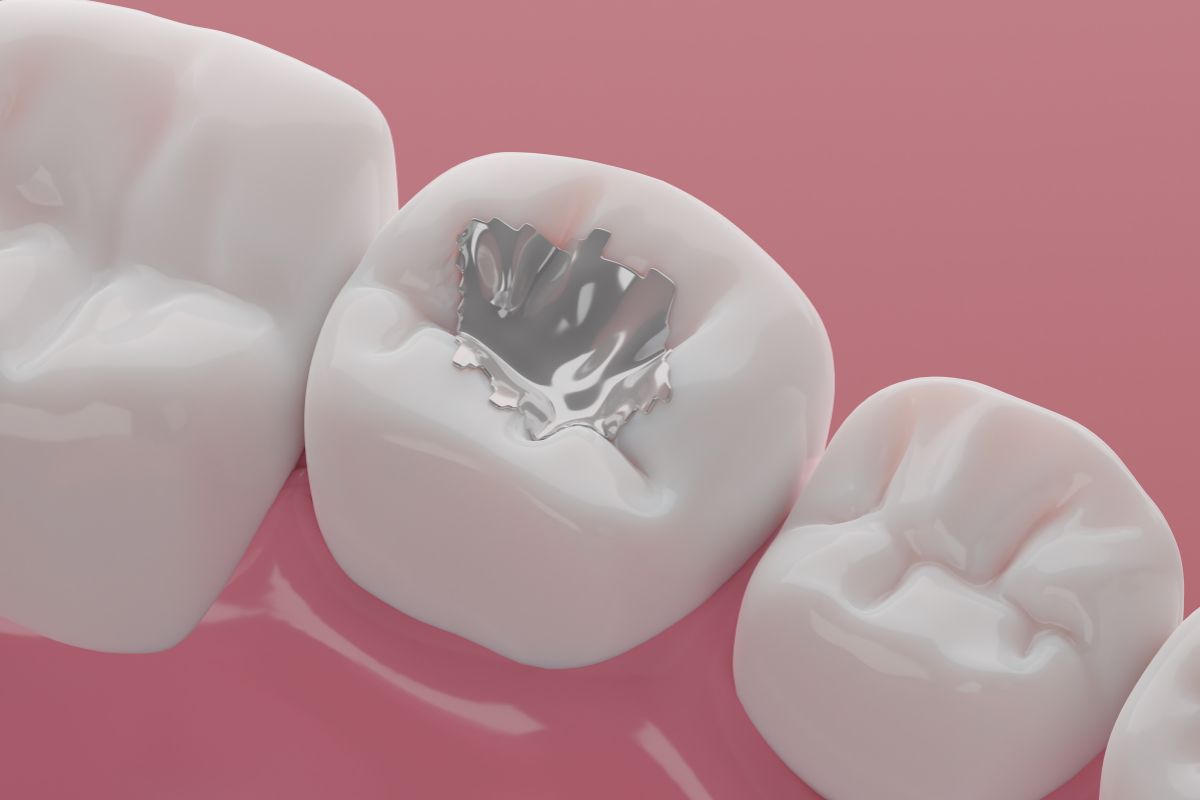
Composite fillings, also known as tooth-colored fillings, are a popular choice for dental restorations. They are designed to blend seamlessly with the natural color of your teeth, providing an aesthetic solution for cavities and minor damage. In this blog, we will explore what composite fillings are, their benefits, the procedure involved, and aftercare tips.
What Are Composite Fillings?
Composite fillings are made from a mixture of plastic resins and fine glass particles. This combination not only gives them a natural appearance but also allows them to bond effectively to the tooth structure. They can be used for a variety of dental issues, including cavities, chipped teeth, and even cosmetic enhancements.
Benefits of Composite Fillings
- Aesthetic Appeal: One of the most significant advantages of composite fillings is their ability to match the natural color of your teeth. This makes them an ideal choice for visible areas, such as the front teeth.
- Durability: Composite materials are designed to withstand the forces of chewing. With proper care, they can last many years, providing a durable solution for dental issues.
- Less Tooth Removal: Unlike amalgam fillings, which require more tooth structure to be removed for placement, fillings can be applied with minimal removal of healthy tooth tissue. This helps preserve more of your natural tooth.
- Quick and Convenient: The procedure for composite fillings is relatively quick, often requiring only one dental visit. This makes it a convenient option for patients with busy schedules.
- Versatility: Composite fillings can be used for a variety of applications, including filling cavities, repairing chipped or cracked teeth, and even reshaping teeth for cosmetic purposes.
The Procedure for Getting Composite Fillings
The process of getting fillings typically involves the following steps:
- Assessment: Your dentist will examine the affected tooth and may take X-rays to assess the extent of the damage or decay.
- Preparation: The area around the tooth will be numbed with a local anesthetic to ensure your comfort during the procedure. The decayed or damaged portion of the tooth will then be removed using a dental drill or laser.
- Application: After the tooth is prepared, the dentist will apply the composite material in layers. Each layer will be cured (hardened) with a special light to ensure a strong bond with the tooth.
- Shaping and Polishing: Once the filling is placed, the dentist will shape it to match the contours of your tooth and polish it for a smooth finish.
- Final Check: After the filling is complete, your dentist will check your bite to ensure that it feels comfortable and make any necessary adjustments.
Aftercare for Composite Fillings
To ensure the longevity of your fillings, it is essential to follow these aftercare tips:
- Maintain Good Oral Hygiene: Brush your teeth at least twice a day and floss daily to prevent decay around the filling.
- Avoid Hard Foods: In the first 24 hours after getting a filling, avoid chewing hard foods, which can cause the filling to become loose or damaged.
- Regular Dental Visits: Schedule regular check-ups with your dentist to monitor the condition of your fillings and overall dental health.
In conclusion, composite fillings offer a reliable and aesthetically pleasing solution for restoring damaged teeth. Their durability, versatility, and natural appearance make them an excellent choice for many patients.