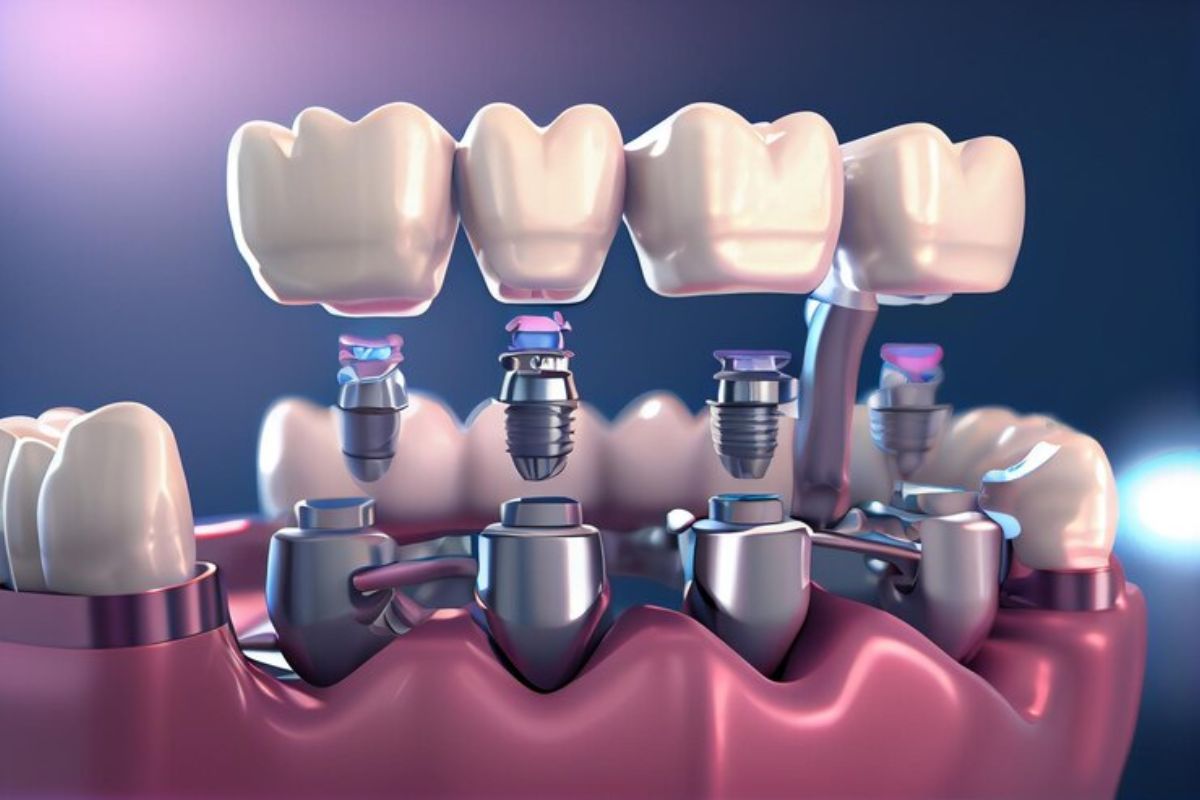


Dental crowns are a reliable and durable solution for restoring damaged or weakened teeth. However, like all dental restorations, crowns have a lifespan and may need replacement over time. Understanding when and why a dental crown might need to be replaced can help you maintain your oral health and ensure the longevity of your smile.
Signs That Your Dental Crown May Need Replacement
Even though dental crowns are designed to last many years, they are not immune to wear and tear. Here are some signs that indicate your crown may need to be replaced:
1. Visible Wear and Tear
Over time, dental crowns can wear down due to the constant pressure of chewing and grinding. If you notice visible wear, such as chips, cracks, or a thinning of the crown material, it may be time for a replacement. Worn crowns can compromise the protection they offer to the underlying tooth and may lead to further dental issues if not addressed.
2. Discomfort or Pain
While dental crowns are meant to alleviate pain and restore functionality, they can sometimes cause discomfort if they become damaged or misaligned. If you experience pain or sensitivity around the crowned tooth, especially when biting down or consuming hot or cold foods, it could indicate that the crown has shifted or that there is an issue with the tooth beneath it.
3. Gum Recession
Gum recession around a crowned tooth can expose the tooth’s root or the edge of the crown. This can create a gap between the crown and the gum line, allowing bacteria to enter and potentially cause decay or infection. If you notice that your gums are receding around a crowned tooth, it’s essential to consult your dentist to determine if the crown needs to be replaced.
4. Loosening or Movement
A dental crown should fit securely over the tooth without any movement. If your crown feels loose or shifts when you chew, it may no longer be providing adequate protection to the tooth underneath. This can lead to further damage or decay, making it crucial to have the crown evaluated and possibly replaced.
5. Discoloration
Porcelain or ceramic crowns are designed to match the color of your natural teeth. However, over time, they may become discolored due to staining from food, beverages, or tobacco use. While discoloration alone may not necessitate an immediate replacement, it can affect the aesthetics of your smile. If the discoloration bothers you or if it is accompanied by other signs of wear, it might be time to consider a new crown.
6. Decay Under the Crown
Although a dental crown protects the visible part of the tooth, the tooth underneath can still be susceptible to decay, particularly if the crown’s seal is compromised. Decay under a crown can be challenging to detect without a dental examination, but it may cause pain or sensitivity. Regular dental checkups are essential for identifying and addressing decay early, potentially preventing the need for crown replacement.
Factors Influencing the Longevity of Dental Crowns
Several factors can influence how long your dental crown lasts and when it might need to be replaced:
1. Material of the Crown
The material used to create the crown plays a significant role in its durability. For example, metal crowns are known for their longevity and strength, making them suitable for molars that endure heavy chewing forces. On the other hand, porcelain and ceramic crowns, while aesthetically pleasing, may be more prone to chipping or wear, especially in areas with significant bite pressure.
2. Oral Hygiene Practices
Maintaining good oral hygiene is crucial for the longevity of both your natural teeth and dental restorations. Brushing twice daily, flossing, and regular dental checkups can help prevent plaque buildup and decay around the crowned tooth. Neglecting oral hygiene can lead to gum disease, decay, and ultimately, the need for crown replacement.
3. Bite and Chewing Habits
Teeth grinding (bruxism) or biting on hard objects, such as ice or pens, can place excessive stress on a dental crown, leading to damage or premature wear. If you have a habit of grinding your teeth, your dentist may recommend a nightguard to protect your crown and other teeth from unnecessary wear.
4. Trauma or Injury
Accidents or injuries to the mouth can damage a dental crown, causing it to crack, chip, or become dislodged. If you experience any trauma to your mouth, it’s important to have your crown checked by a dentist to ensure it hasn’t been compromised.
How Often Should You Replace Your Dental Crown?
The lifespan of a dental crown can vary based on the factors mentioned above, but on average, crowns last between 10 to 15 years. Some crowns can last even longer with proper care. However, it’s essential to remember that each case is unique, and regular dental visits are the best way to determine when a crown needs to be replaced.
During your dental checkups, your dentist will evaluate the condition of your crowns and recommend replacement if necessary. If you’re experiencing any of the signs mentioned earlier, don’t wait for your next scheduled visit—contact your dentist as soon as possible.
Conclusion
Dental crowns are an excellent way to restore and protect damaged teeth, but they do require periodic assessment and, eventually, replacement. By staying vigilant and addressing any issues with your crowns promptly, you can maintain a healthy, functional, and beautiful smile.
If you’re concerned about the condition of your dental crowns or need advice on crown replacement, consult your dentist. With expert care, your dental crowns can continue to restore and protect your teeth for years to come.
If you think it’s time for a crown replacement or you want to ensure your crowns are in good condition, don’t hesitate to reach out to a trusted provider of dental crowns in Jersey City. Your smile deserves the best care, and timely crown replacement is a key part of that care.