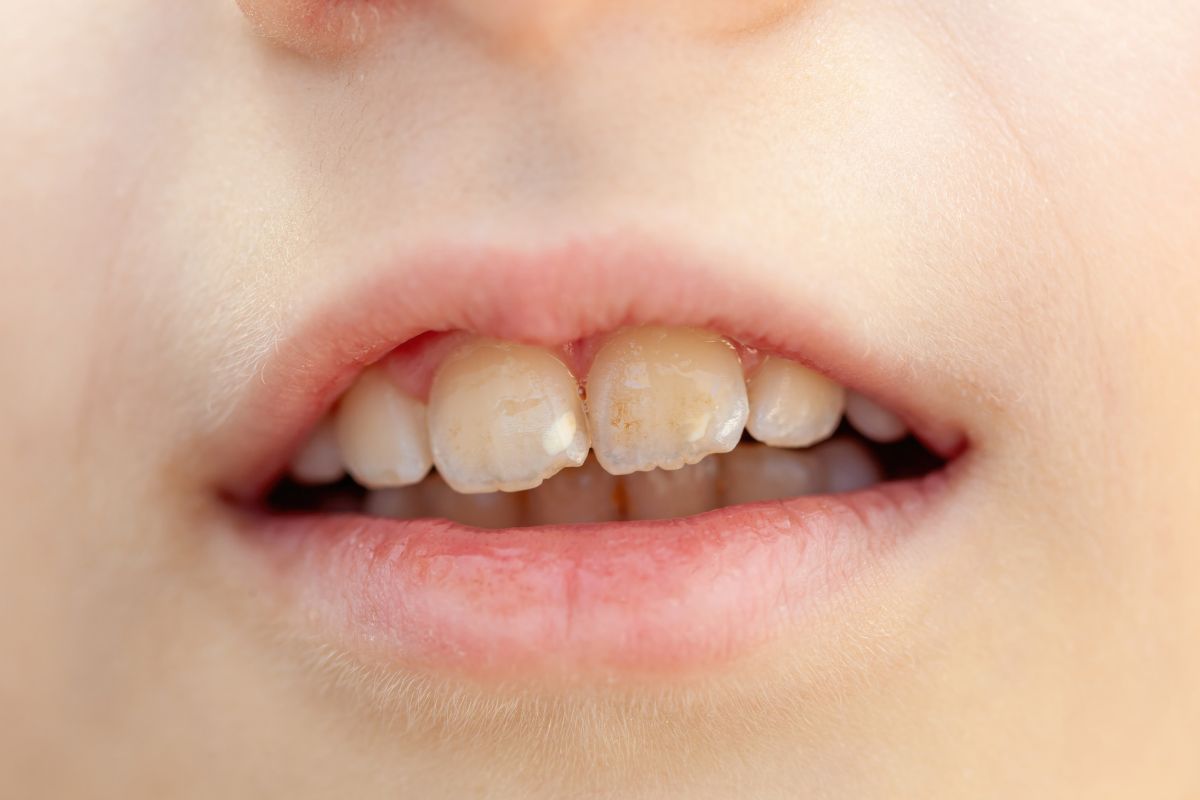


Dental bonding, also known as cosmetic bonding, is a popular procedure in cosmetic dentistry designed to enhance the appearance of your teeth. Whether it’s to repair a chipped tooth, close gaps, or change the shape and color of teeth, dental bonding offers a relatively quick and cost-effective solution. However, a common side effect that many patients experience after undergoing dental bonding is tooth sensitivity. Understanding why teeth become sensitive post-procedure can help in managing this discomfort and ensuring a smooth recovery.
The Dental Bonding Procedure
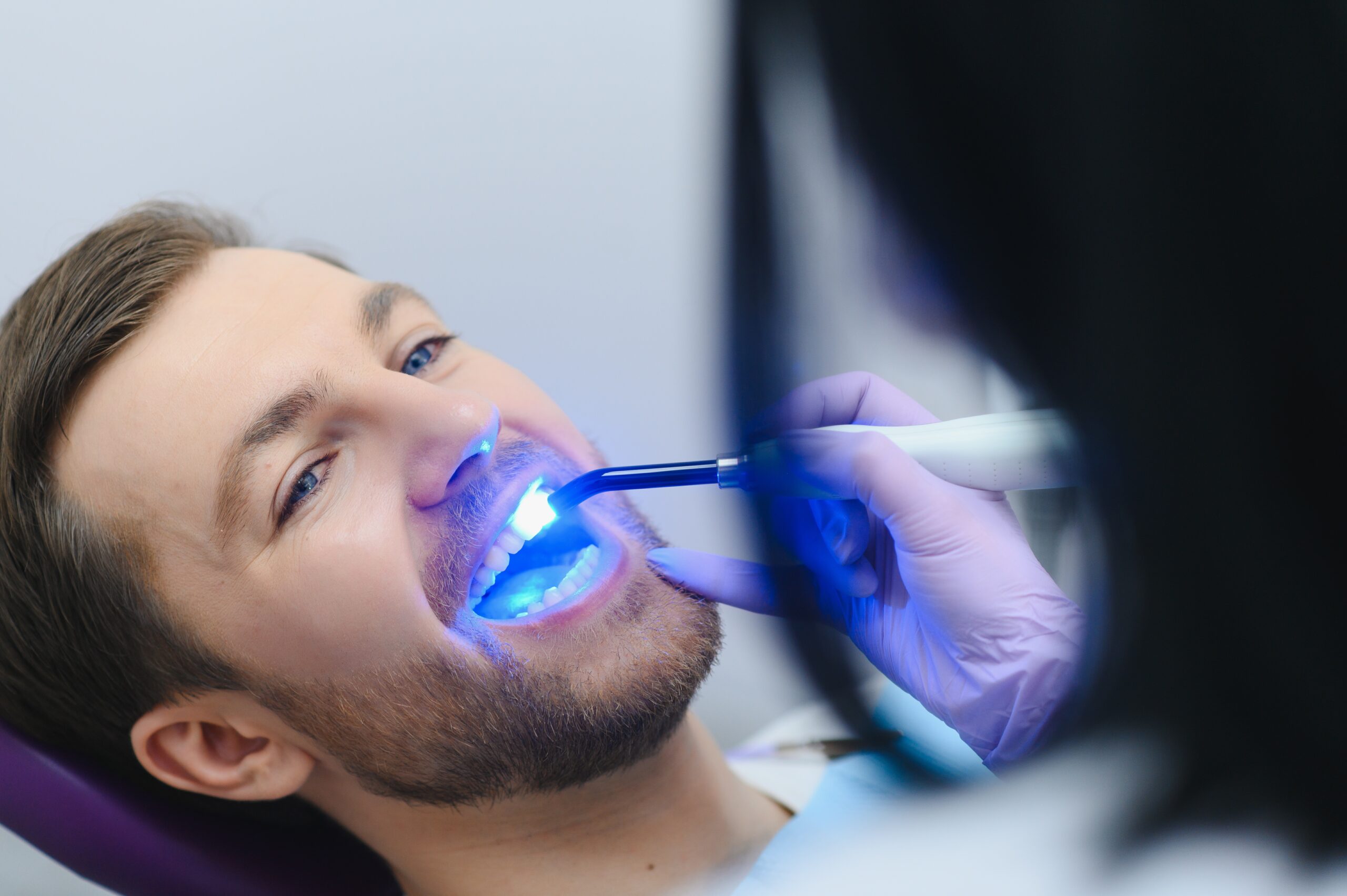
Dental bonding involves the application of a tooth-colored resin material to the tooth’s surface. The procedure begins with the dentist lightly roughening the surface of the tooth and applying a conditioning liquid. This step ensures that the bonding material adheres properly. The resin is then applied, molded, and smoothed to the desired shape. Finally, a special light is used to harden the material, and the dentist makes final adjustments to ensure a perfect fit and finish.
Benefits of Dental Bonding
Dental bonding is favored for its simplicity and affordability. It is minimally invasive, usually requiring no anesthesia unless it’s being used to fill a cavity. The procedure typically takes about 30 to 60 minutes per tooth, and the results can last several years with proper care.
Causes of Tooth Sensitivity After Dental Bonding
1. Enamel Modification
One of the primary reasons for tooth sensitivity after dental bonding is the modification of the enamel. During the preparation phase, the dentist may need to roughen or etch the enamel. This process can thin the enamel, exposing the underlying dentin, which contains microscopic tubules leading to the tooth’s nerve center. When the dentin is exposed, it can react more sensitively to stimuli such as temperature changes, air, and sweet or acidic foods.
2. Bonding Material Interaction
The bonding material itself can sometimes cause sensitivity. The resin used in cosmetic bonding contracts and expands with temperature changes. This can create stress on the bonded tooth, leading to temporary sensitivity, especially to hot and cold substances. Additionally, if the resin does not fully cure or adhere properly, it can leave small gaps between the tooth and the bonding material, exacerbating sensitivity.
3. Procedure-Related Trauma
The dental bonding process, though minimally invasive, can still cause minor trauma to the tooth and surrounding gums. This trauma can lead to temporary inflammation and increased sensitivity. The discomfort usually subsides as the tooth heals and adjusts to the new bonding material.
Managing Sensitivity After Dental Bonding
1. Proper Oral Hygiene
Maintaining good oral hygiene is crucial in managing sensitivity after dental bonding. Brushing with a soft-bristled toothbrush and using toothpaste designed for sensitive teeth can help. These toothpaste formulations typically contain potassium nitrate or stannous fluoride, which can help block the transmission of sensation from the tooth surface to the nerve.
2. Avoiding Trigger Foods and Drinks
It’s advisable to avoid foods and drinks that can trigger sensitivity, such as very hot or cold beverages, acidic fruits, and sugary snacks. Sticking to a diet that minimizes these triggers can help reduce discomfort during the initial healing period.
3. Over-the-Counter Treatments
Over-the-counter desensitizing gels and rinses can provide relief from sensitivity. These products can be applied directly to the affected teeth to help calm the nerves and reduce sensitivity.
4. Professional Advice
If sensitivity persists for more than a few weeks, it’s important to consult with your dentist. Persistent sensitivity might indicate an underlying issue that needs to be addressed. Your dentist might recommend professional treatments such as fluoride varnishes or gels, which can strengthen the enamel and reduce sensitivity.
Dental bonding is an effective and popular option in cosmetic dentistry for improving the appearance of teeth. However, sensitivity after the procedure is a common side effect that can cause discomfort. Understanding the causes and employing appropriate management strategies can help alleviate this sensitivity and ensure a smooth recovery. By maintaining proper oral hygiene, avoiding trigger foods, and seeking professional advice when necessary, you can enjoy the benefits of dental bonding with minimal discomfort.