

When it comes to restorative dentistry, dental bridges play a crucial role in restoring smiles and enhancing oral health. If you have missing teeth and are looking for a reliable solution, a dental bridge might be the right choice for you. This comprehensive guide will cover everything you need to know about dental bridges, from their benefits to the types available and the procedures involved.
What is a Dental Bridge?
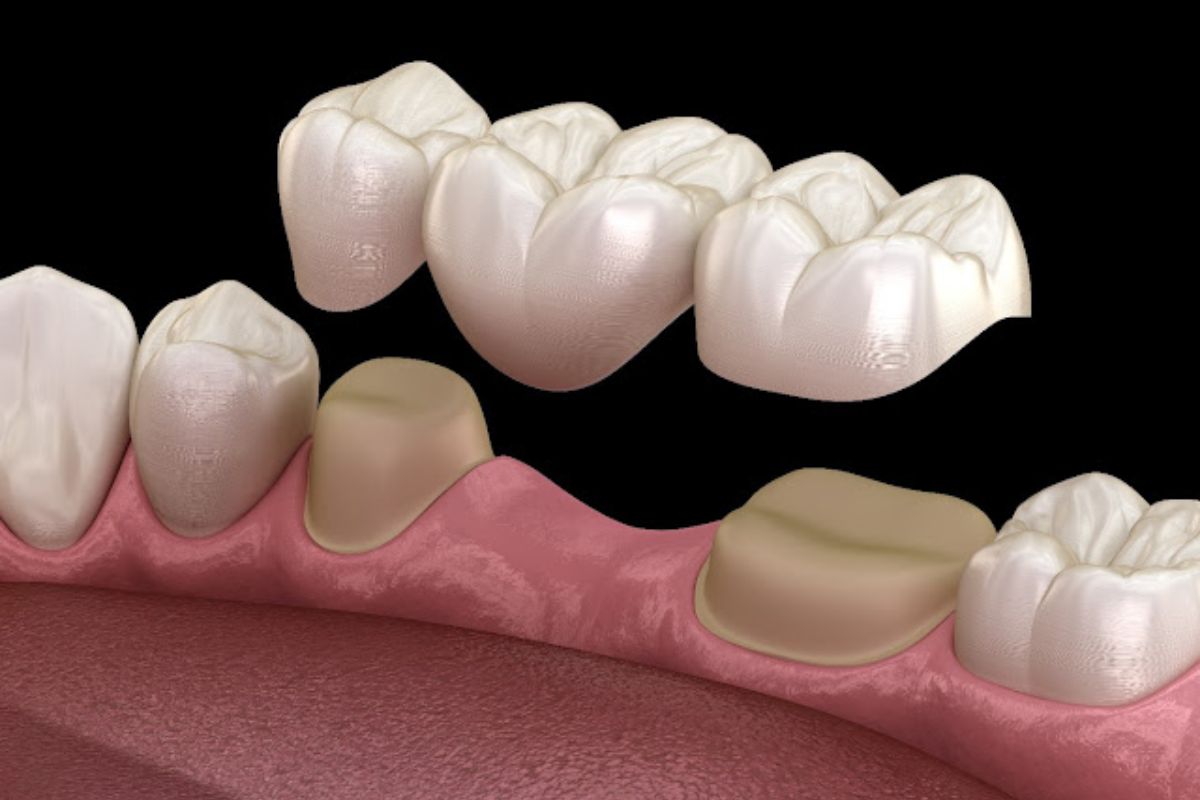
A dental bridge is a fixed dental restoration used to replace one or more missing teeth by literally bridging the gap between two healthy teeth. They are designed to restore your smile, improve chewing and speaking abilities, and maintain the shape of your face.
Components of a Dental Bridge
A dental bridge typically consists of three main components:
1. Abutment Teeth: These are the healthy teeth or dental implants on either side of the gap. They serve as anchors for the bridge.
2. Pontics: These are the false teeth that fill the gap. They are usually made from porcelain, gold, alloys, or a combination of these materials to ensure durability and a natural appearance.
3. Connectors: These attach the pontics to the abutment teeth, securing the bridge in place.
Benefits of Dental Bridges
Choosing a dental bridge as a restorative dentistry option offers several benefits:
1. Restores Functionality
Missing teeth can make eating and speaking difficult. A dental bridge restores your ability to chew properly and speak clearly.
2. Enhances Appearance
A dental bridge fills the gap left by missing teeth, providing a natural-looking solution that restores your smile and boosts your confidence.
3. Prevents Teeth from Shifting
When you have a gap in your teeth, the surrounding teeth can shift into space, leading to misalignment and bite problems. A dental bridge helps maintain the proper position of your teeth.
4. Maintains Facial Shape
Missing teeth can cause your facial muscles to sag, making you look older. Dental bridges help maintain the shape of your face by supporting the muscles around your mouth.
Types of Dental Bridges
There are several types of dental bridges available, each suited for different situations. Your dentist will recommend the best type based on your specific needs.
1. Traditional Dental Bridge
This is the most common type of dental bridge. It consists of one or more pontics held in place by dental crowns on the abutment teeth. Traditional bridges are strong and durable, making them ideal for restoring molars.
2. Cantilever Dental Bridge
Cantilever bridges are used when there are adjacent teeth on only one side of the missing tooth or teeth. This type of bridge is less common and generally used for areas that are under less stress, like the front teeth.
3. Maryland Dental Bridge (Resin-Bonded Bridge)
This type of bridge uses a metal or porcelain framework with wings on each side that are bonded to the back of the abutment teeth. Maryland bridges are typically used to restore front teeth due to their conservative approach and minimal alteration to the surrounding teeth.
4. Implant-Supported Bridge
Implant-supported bridges are used when more than one tooth is missing. Instead of being supported by natural teeth, these bridges are anchored by dental implants. This option is highly stable and does not require alteration of the adjacent healthy teeth.
The Dental Bridge Procedure
The process of getting a dental bridge typically involves multiple visits to the dentist. Here is a step-by-step overview of the procedure:
1. Initial Consultation and Examination
During your first visit, your dentist will conduct a thorough examination, including X-rays, to assess your oral health and determine if a dental bridge is the right solution for you. They will discuss your options and develop a treatment plan.
2. Preparation of Abutment Teeth
If you opt for a traditional or cantilever bridge, the next step involves preparing the abutment teeth. This process includes reshaping these teeth by removing a portion of enamel to accommodate the crowns.
3. Impressions and Temporary Bridge
Once the abutment teeth are prepared, your dentist will take impressions of your teeth. These impressions are sent to a dental lab where your bridge will be custom-made. In the meantime, you will receive a temporary bridge to protect the exposed teeth and gums.
4. Fitting the Permanent Bridge
When your custom bridge is ready, your dentist will remove the temporary bridge and fit the permanent one. They will check the fit and adjust it as necessary to ensure a comfortable bite and proper alignment.
5. Final Adjustments and Follow-Up
After the bridge is fitted, your dentist will schedule follow-up appointments to ensure the bridge is functioning correctly and to make any final adjustments. Proper care and maintenance, including regular dental check-ups, are essential to prolong the life of your dental bridge.
Caring for Your Dental Bridge
Proper care is crucial to ensure the longevity of your dental bridge and the health of your surrounding teeth and gums. Here are some tips for maintaining your dental bridge:
1. Maintain Good Oral Hygiene
Brush your teeth at least twice a day and floss daily. Pay special attention to cleaning around the bridge to prevent plaque buildup and gum disease.
2. Use a Fluoride Toothpaste
Fluoride toothpaste helps strengthen your teeth and prevent decay, especially around the abutment teeth.
3. Avoid Hard and Sticky Foods
Chewing on hard foods or sticky candies can damage your dental bridge. Avoid these types of foods to protect your restoration.
4. Regular Dental Check-Ups
Visit your dentist regularly for professional cleanings and examinations. This will help detect any issues early and ensure your bridge remains in good condition.
Dental bridges are a reliable and effective solution for restoring missing teeth and improving your overall oral health. Understanding the types of dental bridges available and the procedure involved can help you make an informed decision. By choosing the right dental bridge and maintaining proper oral hygiene, you can enjoy a restored smile and enhanced functionality for years to come. If you are considering a dental bridge, consult with your dentist to discuss your options and develop a personalized treatment plan tailored to your needs.


