

If you wear braces, you’re likely doing everything possible to keep your teeth clean and healthy during your orthodontic journey. Along with brushing and flossing, some people explore alternative oral health practices like oil pulling. But is oil-pulling safe with braces? Let’s dive into what this ancient practice involves and whether it fits your orthodontic routine.
What Is Oil Pulling?
Oil pulling is an age-old Ayurvedic practice that involves swishing oil—typically coconut, sesame, or sunflower oil—in your mouth for about 15–20 minutes. The goal is to “pull” bacteria, toxins, and debris from your mouth, which may help improve oral hygiene and reduce plaque.
Proponents of oil pulling claim it can:
- Reduce harmful bacteria
- Freshen breath
- Improve gum health
- Whiten teeth naturally
While research is ongoing, some studies suggest oil pulling complements regular oral hygiene practices by reducing the number of harmful microorganisms in the mouth.
Braces and Oral Hygiene: A Delicate Balance
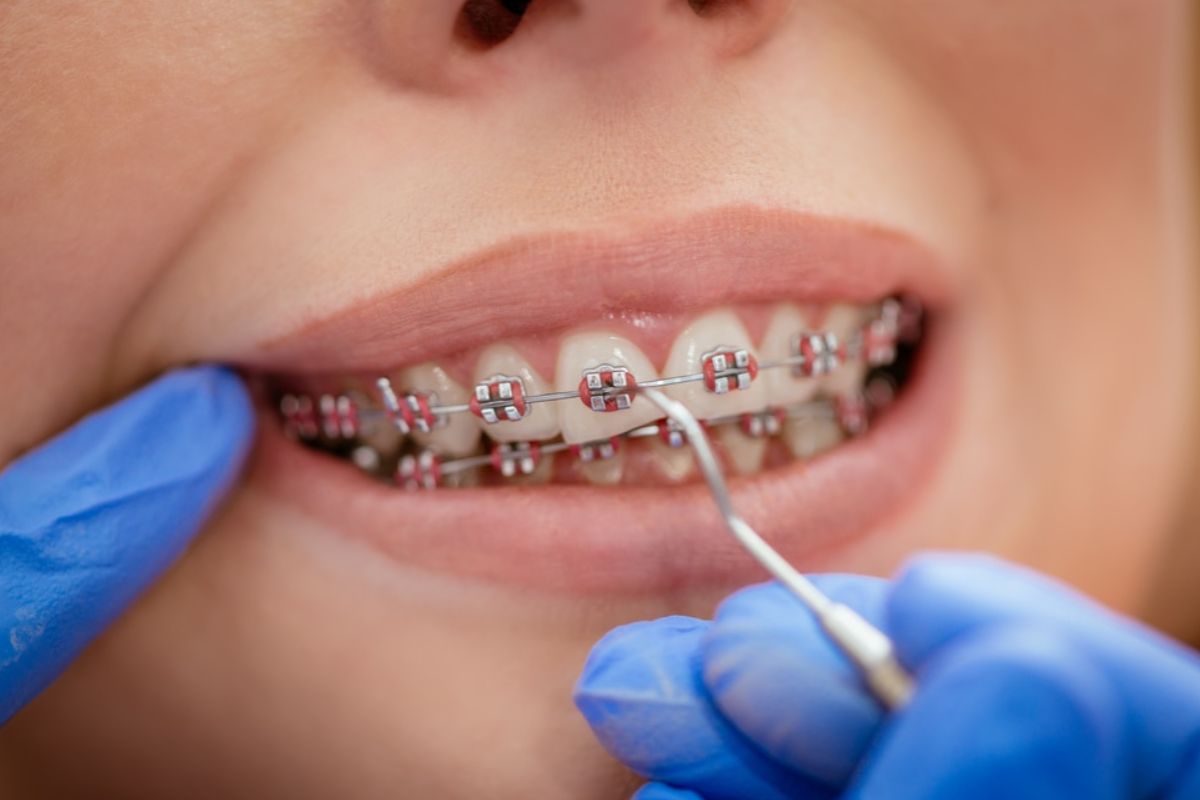
Braces come with unique challenges, particularly when maintaining a clean mouth. If not managed correctly, food particles can easily get trapped in brackets and wires, leading to plaque buildup, bad breath, and gum inflammation. That’s why orthodontists emphasize the importance of brushing, flossing, and sometimes using special tools like interdental brushes or water flossers.
So, can oil pulling add an extra layer of cleanliness, or does it interfere with the hardware in your mouth?
Is Oil Pulling Safe with Braces?
The short answer is yes. Oil pulling is generally safe to do while wearing braces. However, there are a few essential considerations to keep in mind:
1. Type of Oil Matters
Coconut oil is often preferred because of its antibacterial properties and pleasant taste. It’s also less likely to stain or react with the materials in your braces.
2. Be Gentle
Swishing too vigorously may loosen brackets or wires. A gentle, steady motion is key. You’re not trying to “scrub” your mouth clean—allow the oil to work over time.
3. Don’t Replace Brushing or Flossing
Oil pulling should be seen as a supplement, not a replacement. Brushing and flossing are essential for removing food particles and plaque around the brackets and gumline.
4. Timing Matters
Pull oil on an empty stomach, typically first thing in the morning, and wait at least 30 minutes before brushing your teeth. This allows your saliva to naturally neutralize after oil pulling.
5. Be Aware of Allergies
Avoid using coconut, sesame, or sunflower oil if you have allergies. Always test a small amount first or consult with your dentist.
If you see an orthodontist in Jersey City, ask about oil pulling during your next appointment. They can assess your situation and tell you whether this practice is appropriate based on your braces and oral health.
Conclusion
When done correctly, oil pulling can be a safe and natural complement to your oral hygiene routine—even with braces. It’s gentle, noninvasive, and may offer antibacterial benefits that help manage plaque and gum health. However, it’s crucial to continue brushing and flossing daily and follow your orthodontist’s instructions closely. At Jersey City Dental, we’re here to guide you through every step of your orthodontic treatment. If you’re curious about incorporating oil pulling or have questions about your brushing routine, contact us today to schedule a consultation. Your smile is our priority!