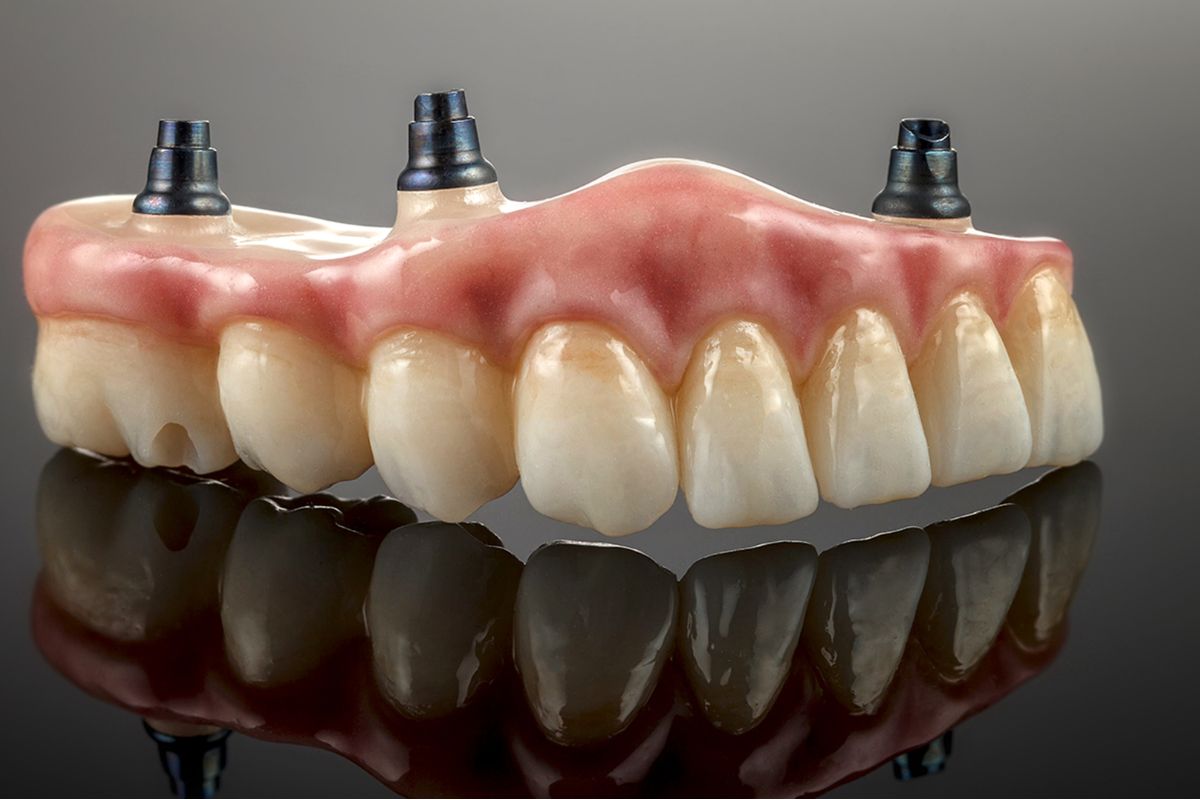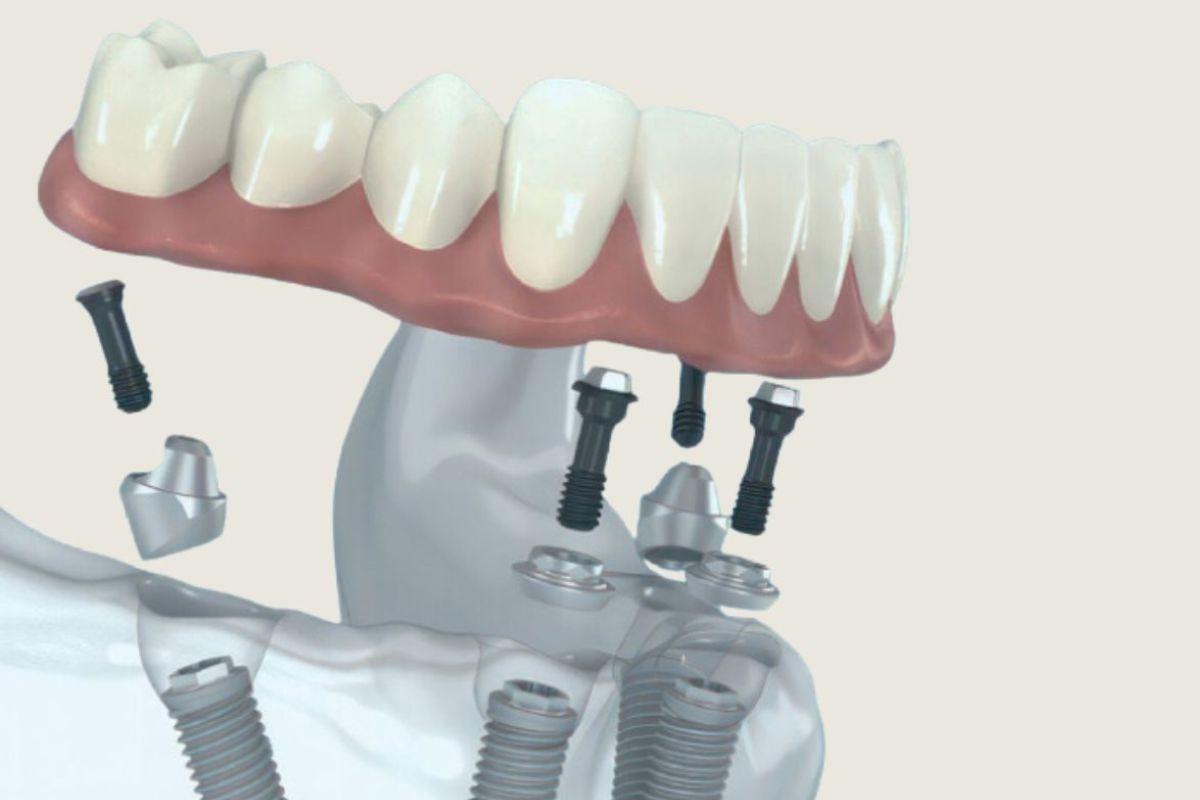


Choosing all-on-4 dental implants is an exciting step toward restoring your smile, improving your ability to eat comfortably, and enhancing your confidence. While the procedure offers many long-term benefits, understanding what happens during recovery can help you feel more prepared and confident throughout the healing process. Knowing what to expect each week also makes it easier to follow your post-operative instructions and support successful healing.
At Jersey City Dental, Dr. Paek and our team believe that patient education is an important part of successful treatment. We’ll guide you through every stage of your recovery, answer your questions, and provide personalized instructions to help you heal comfortably after your procedure. Every patient’s recovery is unique, but having a general timeline can help you understand the normal healing process.
Although healing varies from person to person, most patients experience steady improvement over the weeks following surgery. Here’s what you can typically expect after receiving All-on-4 dental implants.
What Happens Immediately After Your Procedure?
Immediately after your implant procedure, it’s normal for your mouth to feel numb as the local anesthetic gradually wears off. You may also notice mild swelling, slight bleeding, or tenderness around the surgical areas during the first several hours.
Before you leave our office, we’ll provide detailed instructions explaining how to care for your implants during the first stage of recovery. Carefully following these recommendations can help protect the surgical sites and support proper healing.
During the first day, you may experience:
- Mild swelling around the gums or face
- Minor bleeding or oozing
- Temporary discomfort
- Difficulty chewing firm foods
- Fatigue following your procedure
These symptoms are a normal part of the early healing process and often improve over the next several days.
Week 1: Protecting the Healing Process
The first week is one of the most important stages of recovery because your implants and surrounding tissues are beginning to heal. Giving your mouth time to recover helps create a stable foundation for long-term success.
Managing Swelling and Discomfort
Swelling is usually most noticeable during the first few days before gradually improving. Following your post-operative instructions can help you remain as comfortable as possible during this period.
Eating Soft Foods
Choosing soft foods helps reduce pressure on the healing implants. Foods such as yogurt, mashed potatoes, scrambled eggs, smoothies (without using a straw), soup, and soft pasta are often recommended during the early recovery period.
Maintaining Good Oral Hygiene
Keeping your mouth clean is essential for healing. We’ll explain the safest way to care for your implants and surrounding tissues while avoiding unnecessary irritation.
Taking It Easy
Avoid strenuous exercise and heavy lifting during the first several days unless your treatment team advises otherwise. Giving your body time to recover supports the healing process.
Week 2: Early Healing and Increased Comfort
By the second week, many patients begin noticing significant improvements. Swelling and tenderness often continue to decrease, making daily activities more comfortable.
During this stage, you may:
- Feel more comfortable eating soft foods
- Resume many normal daily activities
- Continue practicing careful oral hygiene
- Attend your scheduled follow-up appointment so we can evaluate your healing
Your follow-up visit allows us to monitor your progress, answer any questions, and ensure your implants are healing as expected.
Contact Us
If you have questions about your recovery or notice anything that concerns you after your procedure, contact us. Our team is here to provide guidance and help you enjoy a smooth recovery after your All-on-4 dental implant treatment.
Weeks 3–4: Building a Strong Foundation
By the third and fourth weeks, much of the initial healing has taken place, but your implants are still undergoing an important process beneath the surface. Although you may feel significantly better, it’s essential to continue following your recovery instructions to protect your long-term results.
Healing Continues Below the Gums
Even if your mouth feels comfortable, the bone and surrounding tissues are still healing. This stage helps create the stable foundation your implants need for long-term success.
Following Your Dietary Recommendations
Depending on your individual treatment plan, we may recommend continuing with softer foods while your implants heal. Gradually returning to your normal diet should always follow the guidance provided during your follow-up visits.
Monitoring Your Progress
Regular checkups allow us to evaluate your healing, ensure your implants remain stable, and answer any questions you may have about your recovery.
Adjusting to Your Temporary Teeth
If you received a temporary prosthesis, this is also a good time to become more comfortable speaking, smiling, and eating while your mouth continues to heal.
Months 2–6: Osseointegration and Long-Term Healing
One of the most important stages of recovery happens over the next several months. During this time, the implants gradually fuse with the surrounding jawbone through a natural process called osseointegration. This process creates the strong foundation needed to support your new teeth.
Although you may already feel comfortable with your smile, continuing to care for your implants remains essential.
During this phase, we recommend:
- Attending all scheduled follow-up appointments.
- Maintaining excellent daily oral hygiene.
- Eating a balanced, nutritious diet.
- Avoiding tobacco products whenever possible.
- Reporting any unusual discomfort or concerns promptly.
As healing progresses, we’ll continue monitoring your implants to ensure everything is developing as expected before discussing the next stage of your treatment.
Tips for a Smooth Recovery
Every patient’s healing journey is unique, but following a few simple recommendations can help support a comfortable recovery and protect your investment in your new smile.
Follow Your Post-Operative Instructions
Your personalized recovery instructions are designed to promote healing and reduce the risk of complications. Following them carefully is one of the best ways to support successful treatment.
Choose Nutritious Foods
A balanced diet provides the vitamins and nutrients your body needs while healing. Continue selecting foods that are appropriate for your stage of recovery.
Practice Good Oral Hygiene
Keeping your mouth clean helps reduce plaque buildup around your implants and supports healthy gums throughout the healing process.
Avoid Smoking
Smoking may interfere with healing and affect the long-term success of dental implants. Avoiding tobacco products can help support better outcomes.
Attend Every Follow-Up Visit
Routine appointments allow us to monitor your healing, answer your questions, and make sure your recovery is progressing as expected.
Support a Successful Recovery and a Healthier Smile
Recovering from all-on-4 dental implants is a gradual process, and every stage plays an important role in achieving long-lasting results. By following your post-operative instructions, maintaining excellent oral hygiene, attending regular follow-up appointments, and giving your mouth time to heal, you can help support a successful recovery and enjoy the benefits of your new smile. A personalized approach to restorative dentistry helps ensure your treatment supports both function and long-term oral health.
At our dental practice, our team is committed to supporting you throughout every stage of your treatment, from your initial consultation through your recovery and beyond. If you’re considering implant-supported tooth replacement or have questions about healing after your procedure, we’re here to help. We proudly serve patients throughout Jersey City and Hoboken, NJ, with personalized, compassionate dental care. Request an appointment today to learn more about your smile restoration options.