
By Jersey City Dental | October 26, 2026
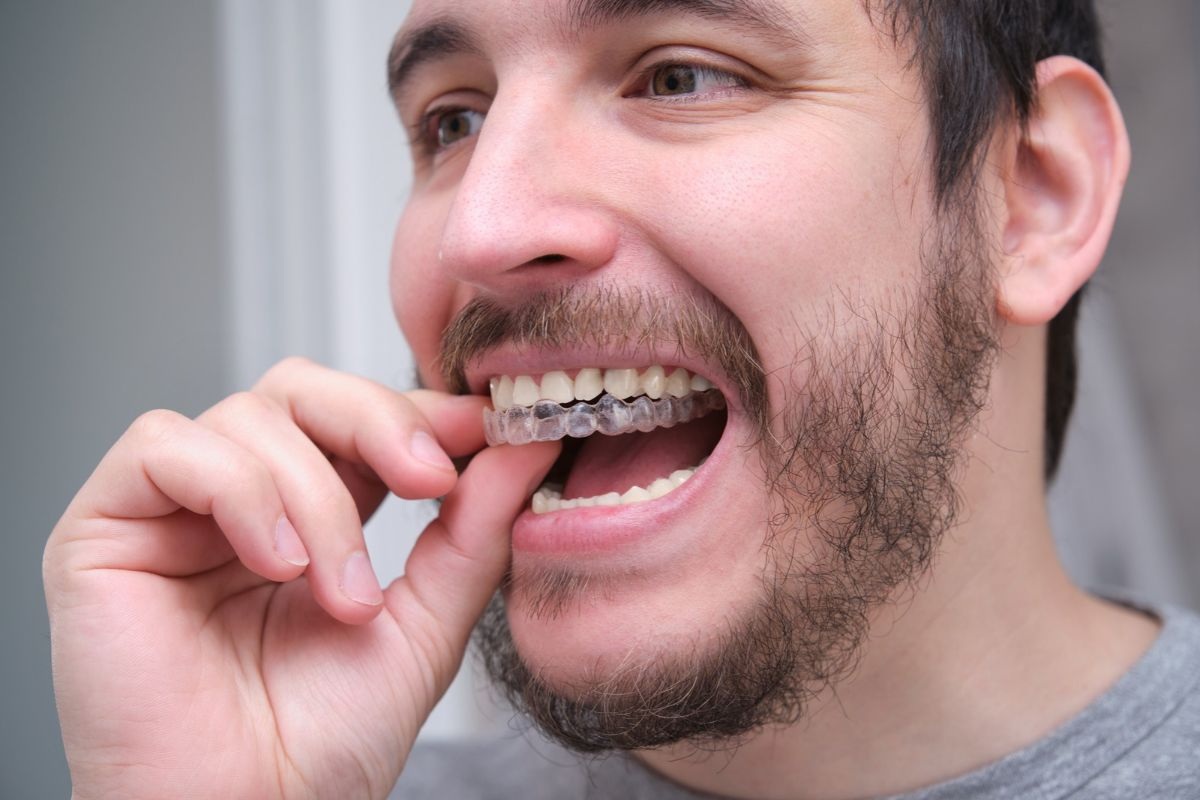
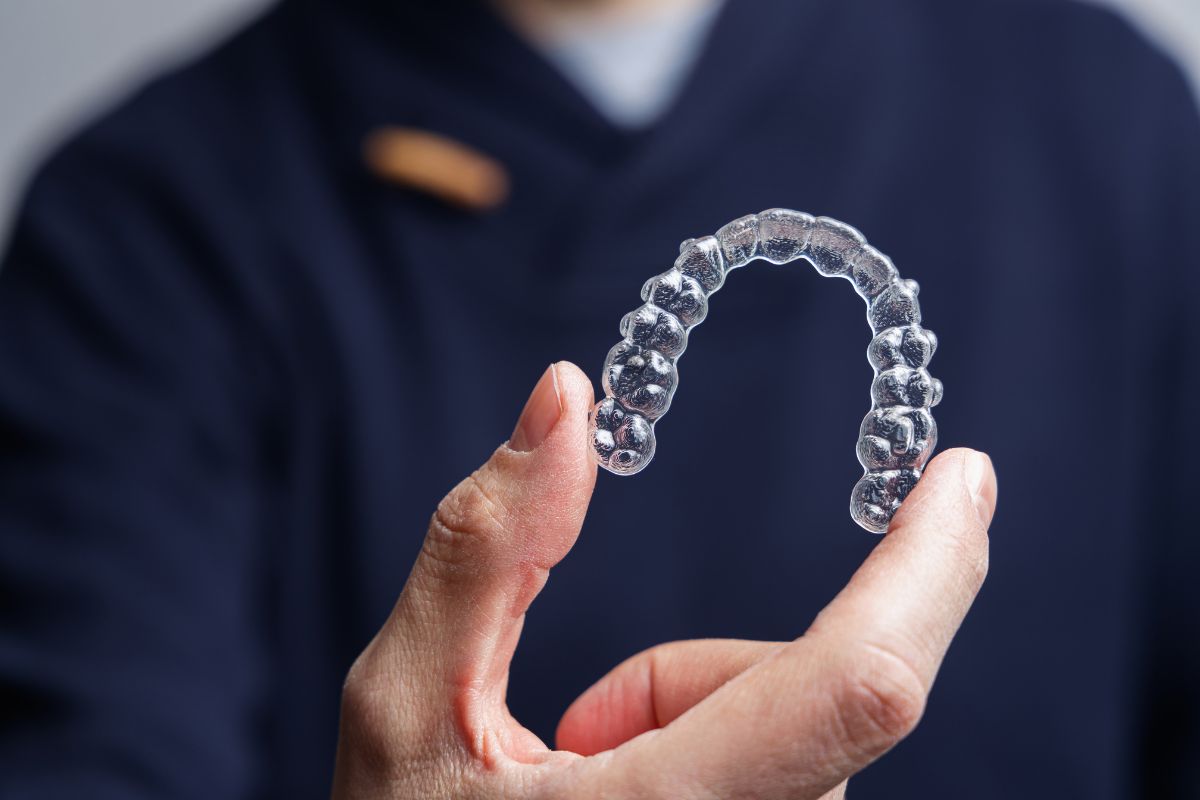
Have you been thinking about straightening your teeth but want to avoid traditional metal braces? Invisalign clear aligners may be an option worth exploring. They are designed to gradually move teeth into better positions using a series of custom-made, removable trays. However, they are not the right choice for every smile.
If you are wondering who is a candidate for Invisalign, the answer depends on your tooth alignment, bite, oral health, and ability to follow your treatment plan. At Jersey City Dental, patients considering Invisalign treatment in Jersey City can explore whether clear aligners may suit their needs and what to expect from the treatment process.
Quick Answer: Who Is a Candidate for Invisalign?
A good candidate for Invisalign generally has healthy teeth and gums, mild to moderate alignment concerns, and the ability to wear clear aligners consistently as directed. Invisalign may help address crowded teeth, gaps, crooked teeth, and certain bite problems. However, eligibility depends on the complexity of the case and a professional dental evaluation.
What Makes Someone a Good Candidate for Invisalign?
Several factors help determine whether Invisalign is an appropriate orthodontic option. Understanding these requirements can help you prepare for a consultation.
1. You Have Crowded or Crooked Teeth
Crowding occurs when teeth overlap or do not have enough room to sit properly along the dental arch. Crooked teeth may also affect how your smile looks and how your upper and lower teeth fit together.
Invisalign uses a series of clear aligners to apply controlled pressure to the teeth, gradually guiding them toward planned positions. It may be suitable for certain mild to moderate crowding concerns, depending on the amount and type of movement required.
More complex cases may need traditional braces or another orthodontic approach. An examination can help determine which option is appropriate.
2. You Have Gaps Between Your Teeth
Spaces between teeth can develop for several reasons, including differences in tooth size, natural spacing, or changes in tooth position.
Clear aligners may help close certain gaps and improve overall alignment. However, the reason for the spacing matters. For example, a gap caused by an underlying dental or gum concern may need additional evaluation before orthodontic treatment begins.
A dentist can assess the cause of the gaps and determine whether Invisalign is a reasonable option.
3. You Have Certain Bite Problems
A bite problem occurs when the upper and lower teeth do not meet as they should. Depending on the case, Invisalign may help address conditions such as:
- Overbite: The upper front teeth overlap the lower front teeth.
- Underbite: The lower front teeth sit in front of the upper front teeth.
- Crossbite: Some upper teeth sit inside the lower teeth when biting.
- Open bite: Certain upper and lower teeth do not meet when the mouth closes.
Clear aligners can correct some bite issues, but not all cases respond equally well. The severity of the problem, jaw position, and movements needed will influence the treatment recommendation.
If you have an overbite, you may be wondering can Invisalign fix overbite. Invisalign can help correct certain types of overbites, depending on their severity and underlying cause. A dental professional can evaluate your bite and determine whether clear aligners or another orthodontic treatment may be appropriate for your needs.
4. Your Teeth and Gums Are Healthy
Healthy teeth and gums are an important starting point for orthodontic treatment. Active cavities, gum disease, and other untreated dental problems may need attention before you begin moving your teeth.
During an evaluation, your dental professional can check for issues that might affect treatment and recommend any necessary care first. This helps establish a healthier foundation for orthodontic treatment.
Good oral hygiene remains important throughout the process. Food particles and plaque can accumulate around teeth even when aligners are removable, so regular brushing, flossing, and dental checkups remain essential.
5. You Can Wear Your Aligners Consistently
Invisalign offers flexibility because you can remove the aligners to eat, drink anything other than water, brush, and floss. However, that flexibility comes with responsibility.
Aligners generally need to be worn for approximately 20-22 hours per day, or for the specific duration recommended by your treating dental professional. Removing them too often or forgetting to put them back in may interfere with planned tooth movement.
You may be a good candidate if you can build aligner wear into your daily routine and attend recommended follow-up appointments.
Is Invisalign Suitable for Adults and Teenagers?
Invisalign for Adults
Adults can consider Invisalign even if they missed out on orthodontic treatment earlier in life. Teeth can shift over time, including after previous braces, and adults may seek treatment to address new crowding, gaps, or bite concerns.
Clear aligners can appeal to adults who prefer a less noticeable alternative to traditional braces at work, during social activities, or in everyday situations.
Age alone does not determine eligibility. Your oral health and the complexity of your orthodontic needs are more important considerations.
Invisalign for Teenagers
Some teenagers may be suitable candidates for Invisalign, provided their dental development and orthodontic needs are appropriate for treatment.
Teenagers also need to be responsible about wearing their aligners, keeping them clean, and following instructions. Parents can help by supporting consistent habits and ensuring that appointments are attended.
A dental professional can assess whether Invisalign or another orthodontic option is better suited to a teenager’s developing smile.
Who May Not Be a Good Candidate for Invisalign?
Invisalign is versatile, but it is not a universal solution. You may need another treatment approach if you have:
- Severe crowding or complex tooth rotations.
- Significant bite discrepancies or jaw alignment problems.
- Active gum disease or untreated cavities.
- Dental conditions requiring treatment before orthodontic movement.
- Difficulty wearing removable aligners for the recommended amount of time.
These factors do not automatically rule out Invisalign in every situation. Some concerns can be managed before treatment, while others may be addressed with a combination of orthodontic techniques.
Traditional braces may provide better control for certain complex tooth movements. The best way to compare your options is through an individualized examination rather than relying on how your teeth look in a photograph.
What Happens During an Invisalign Consultation?
If you are considering Invisalign in Jersey City, NJ, a consultation is an opportunity to understand your options before making a decision.
Your dental professional may:
- Examine your teeth and gums: This helps identify dental health concerns that could affect treatment.
- Evaluate your bite: Your provider checks how your upper and lower teeth fit together.
- Review diagnostic records: Depending on your needs, photographs, digital scans, and X-rays may help assess tooth position and supporting structures.
- Discuss treatment options: Your provider explains whether clear aligners are appropriate or whether another approach may better address your concerns.
- Review timing and cost: Your proposed treatment plan can include an estimated timeline, expected appointments, fees, and available payment or insurance options.
Treatment duration varies according to the complexity of your case and how consistently you follow your plan. Your provider can offer a more meaningful estimate after evaluating your teeth and bite.
How Can You Prepare for Invisalign Treatment?
A few practical steps can help you prepare if you are interested in clear aligners:
- Maintain regular dental cleanings and checkups.
- Address cavities or gum concerns before beginning treatment when recommended.
- Consider whether you can wear aligners consistently throughout the day.
- Ask about eating, drinking, cleaning, and storing your aligners.
- Discuss the total treatment cost and whether your dental insurance includes orthodontic benefits.
- Understand the need for retainers after treatment to help maintain your results.
Retainers are an important part of long-term orthodontic care because teeth can shift after active treatment. Ask your provider about the recommended retention plan before you begin.
Frequently Asked Questions About Invisalign Candidates
1. How do I know if I am a candidate for Invisalign?
You may be a candidate if you have healthy teeth and gums, alignment concerns that clear aligners can address, and the ability to wear them as directed. A dental examination is necessary to determine whether Invisalign is suitable for your specific needs.
2. Can Invisalign fix an overbite?
Invisalign can help correct certain overbites, depending on their severity and underlying cause. More complex bite problems may require braces or additional treatment. Your dentist or orthodontist can evaluate your bite and explain which options may be appropriate.
3. Is Invisalign better than braces?
Neither option is automatically better for everyone. Invisalign is removable and less noticeable, while traditional braces may offer greater control for some complex tooth movements. The right choice depends on your dental needs, lifestyle, and treatment goals.
4. Can adults get Invisalign if they had braces before?
Yes. Adults who previously had braces may be candidates if their teeth have shifted. Eligibility depends on their current alignment, oral health, and treatment needs. An evaluation can determine whether clear aligners are an appropriate option.
5. How long does Invisalign treatment take?
Treatment time varies with the complexity of tooth movement and how consistently aligners are worn. Some cases require less time than others, while more involved cases take longer. Your dental professional can estimate your treatment timeline after an examination.
Find Out Whether Invisalign Is Right for You
You do not have to guess whether clear aligners can address your dental concerns. The right treatment begins with understanding your teeth, bite, oral health, and personal goals.
At Jersey City Dental, patients in Jersey City, NJ, can explore their options and discuss whether Invisalign may be appropriate for their smiles. You can also see patient reviews on Google to learn more about the practice and its local presence.
If you are ready to explore your options, visit our website and contact Jersey City Dental to discuss scheduling a consultation.