

Braces are a time-tested orthodontic solution for correcting misaligned teeth and bite issues. Millions of people trust braces to not only improve their appearance but also enhance oral functionality. However, a common concern many patients have is whether braces can weaken the roots of their teeth. This fear often stems from hearing about a condition called root resorption, where the body breaks down and absorbs part of the tooth root. So, is this a valid concern, or just a myth? Let’s explore what happens to your teeth during orthodontic treatment.
Understanding How Braces Work?
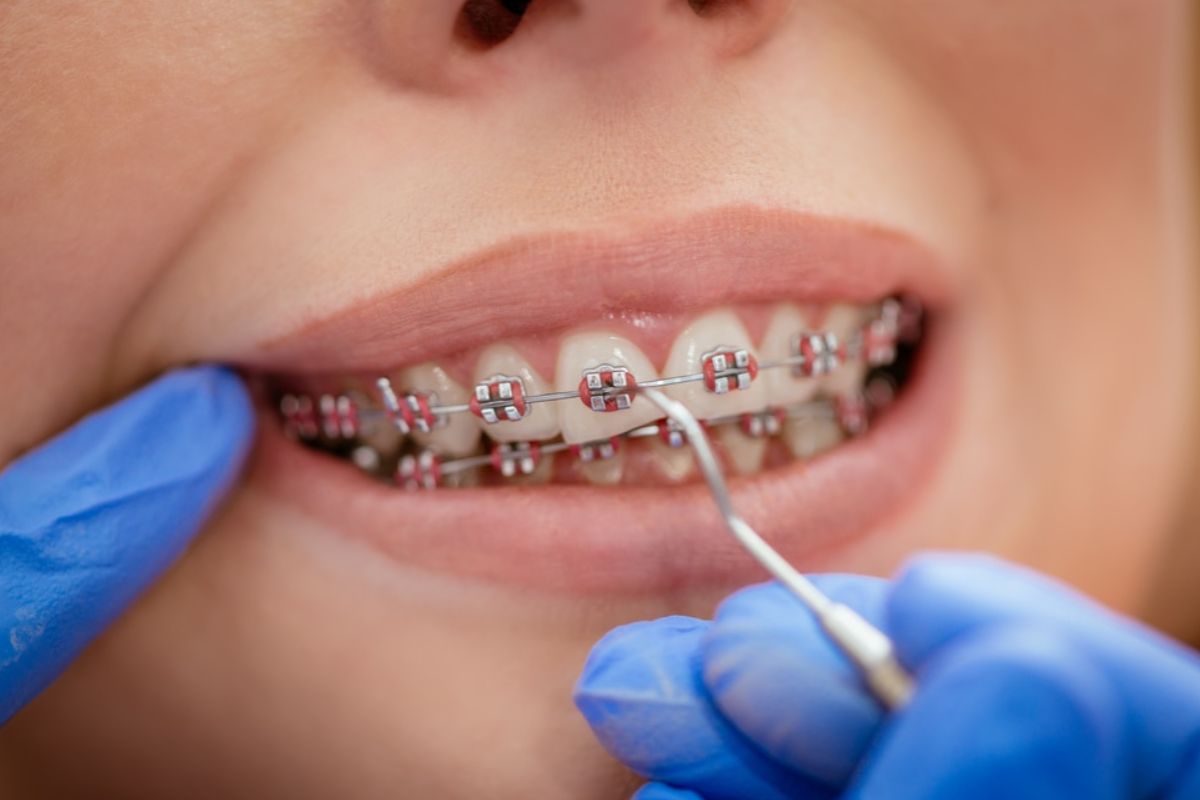
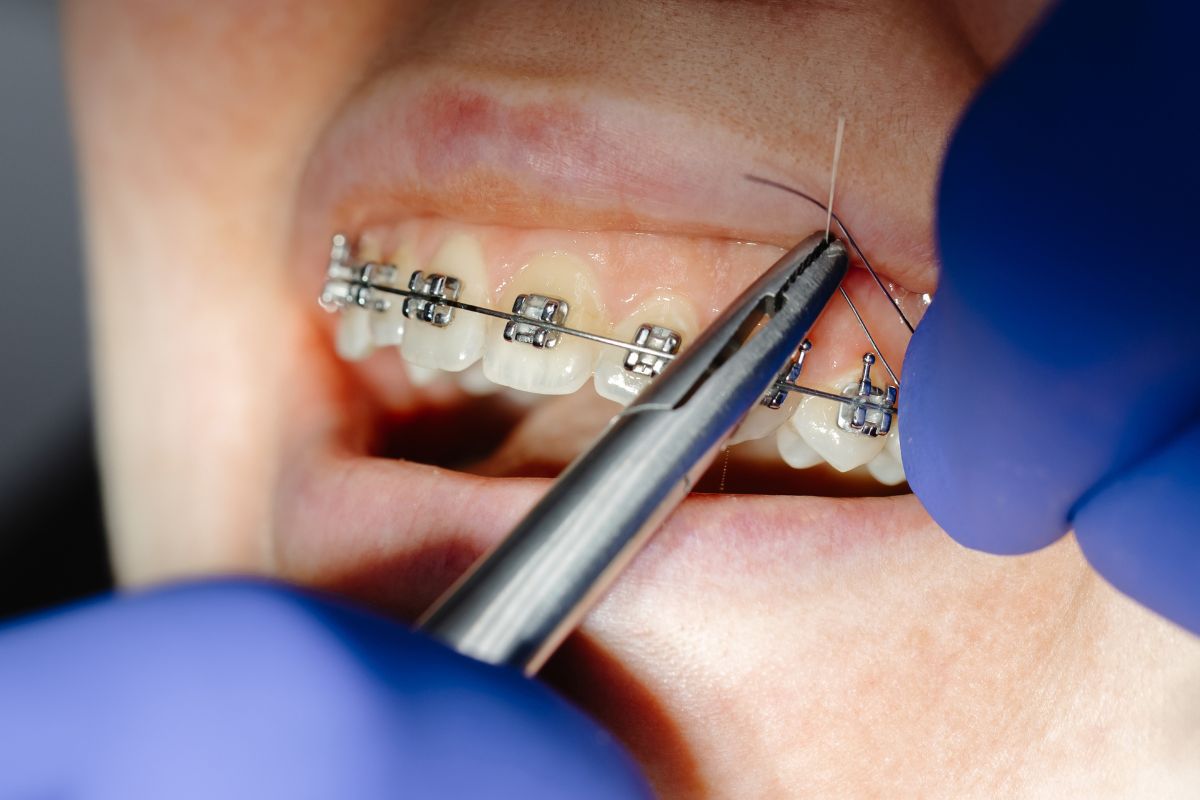
Braces work by applying gentle, continuous pressure to teeth, guiding them into better alignment over time. This movement is made possible because the bone around your teeth can adapt and remodel itself. As teeth shift, the surrounding bone breaks down and rebuilds in response to the pressure.
However, this process also affects the roots. In some cases, particularly with prolonged treatment or excessive force, a small amount of root structure may be lost—this is what’s known as root resorption. While this sounds alarming, it’s essential to understand that in the vast majority of cases, root resorption is minimal and doesn’t threaten the long-term health or stability of the tooth.
What Is Root Resorption?
Root resorption refers to the shortening or loss of the tooth’s root structure. It’s a natural response by the body to certain stimuli—such as pressure or trauma—and can occur even without orthodontic treatment. In the context of braces, minor root resorption is a common and generally harmless side effect.
Orthodontists closely monitor tooth movement during treatment using X-rays to ensure that any resorption is minimal. When detected early, adjustments can be made to reduce pressure or pause treatment, protecting the health of your teeth.
What Causes Significant Root Resorption?
Significant root resorption is rare and usually results from one or more of the following factors:
- Prolonged Treatment Time: Braces that are worn for many years may increase the risk of root shortening.
- Excessive Force: Applying too much pressure too quickly can overstimulate the root area.
- Genetics: Some individuals are more susceptible to resorption due to hereditary factors.
- Previous Dental Trauma: Teeth that have experienced trauma in the past may be more vulnerable.
For most patients under the care of a skilled orthodontist in Jersey City, root resorption is a well-managed risk. The orthodontist will carefully control the movement of your teeth and monitor root health throughout the process.
Does Root Resorption Matter?
In mild to moderate cases, root resorption doesn’t have a significant impact on the health or function of your teeth. Teeth can remain stable and last a lifetime with proper oral hygiene and regular dental visits. Severe root resorption, although rare, may require additional care or monitoring after treatment.
The key to preventing complications is personalized treatment planning and regular progress checks—something a trained orthodontic specialist will always prioritize.
The Bottom Line
While root resorption is a real phenomenon, it’s typically minor and well-controlled during orthodontic treatment. Braces do not inherently weaken your teeth or their roots when used correctly under professional supervision. For the vast majority of patients, the benefits of straighter teeth far outweigh the minimal risks associated with them.
At Jersey City Dental, your smile and long-term oral health are our top priorities. We utilize modern orthodontic techniques designed to move teeth safely and effectively, thereby minimizing the risk of root resorption. Our team is here to guide you through every step of your journey.
Contact us today to schedule a consultation and learn how we can help you achieve a healthier, more confident smile—without compromising your dental health.