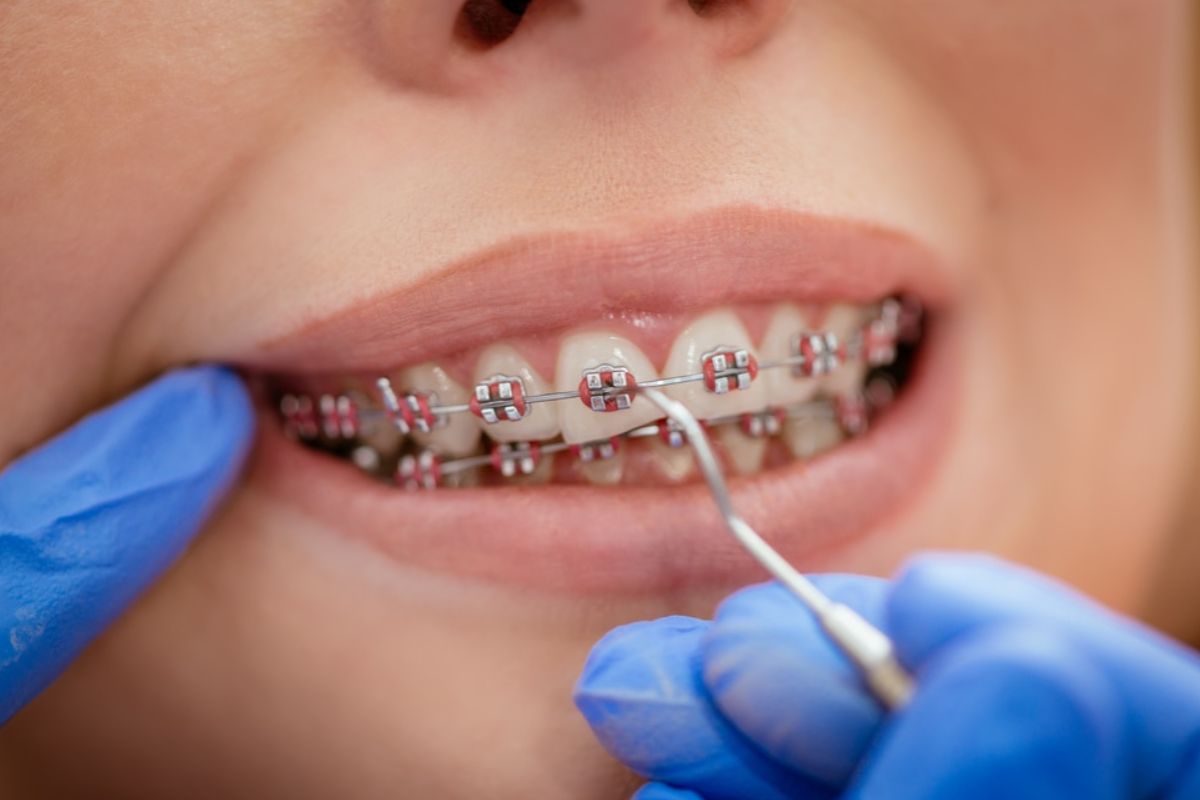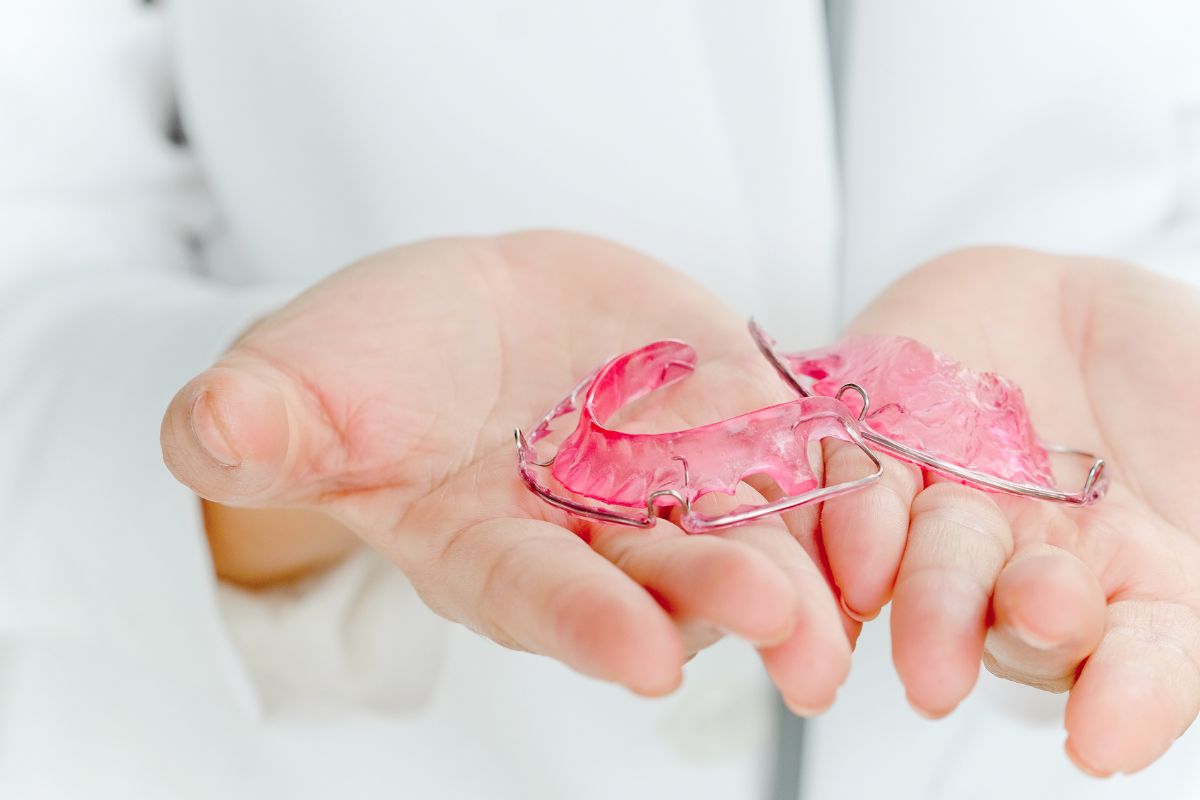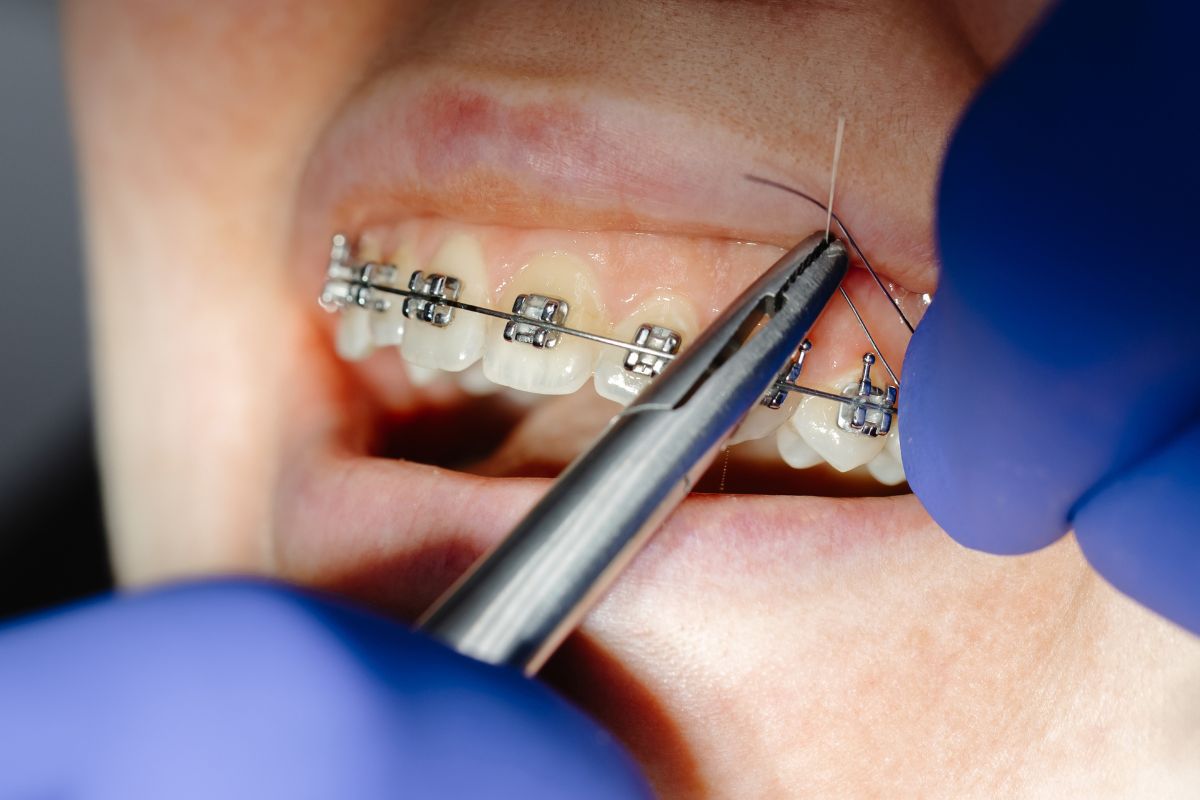


Crooked teeth are a common dental issue that affects many people, regardless of age. They can affect your confidence, oral health, and overall well-being. Understanding what causes crooked teeth can help you make informed decisions about orthodontic treatment. This blog will delve into the various reasons why teeth become misaligned and the importance of seeking help from an orthodontist.
What is a Crooked Teeth?
Crooked teeth, also known as malocclusion, refer to misaligned teeth that do not fit together properly when the mouth is closed. This condition can range from mild cases, where only a few teeth are slightly out of place, to more severe cases which affect the entire dental structure. The impact of crooked teeth goes beyond aesthetics; they can also lead to difficulties in chewing, speech issues, and an increased risk of tooth decay and gum disease.
Common Causes of Crooked Teeth
Several factors contribute to the development of crooked teeth. Here are some of the most common causes:
1. Genetics and Heredity
Genetics plays a significant role in the development of crooked teeth. If one or both parents have crooked or crowded teeth, there is a higher chance that their children will inherit similar dental issues. This genetic predisposition can include jaw size and shape, which can lead to misalignment. For example, if the jaw is too small, teeth may not have enough space to grow properly, leading to crowding.
2. Early Loss of Baby Teeth
Baby teeth, also known as primary teeth, play a crucial role in guiding the eruption of permanent teeth. When baby teeth are lost too early due to decay, injury, or extraction, it can cause the adjacent teeth to shift into the empty space. This shift can disrupt the normal path of permanent teeth, leading to misalignment and crooked teeth.
3. Prolonged Thumb Sucking or Pacifier Use
Thumb sucking and prolonged use of pacifiers beyond the age of 3 or 4 can significantly affect the alignment of teeth. These habits put pressure on the developing teeth and jaw, which can lead to crooked teeth, open bites, or overbites. The force exerted by these habits can push teeth out of their proper position, necessitating orthodontic intervention later in life.
4. Mouth Breathing
Mouth breathing, often caused by allergies, enlarged tonsils, or nasal obstructions, can alter the normal development of the jaw and teeth. Breathing through the mouth instead of the nose affects the tongue’s position and can cause the upper jaw to narrow, leading to crowding and crooked teeth. This habit can significantly affect a child’s facial development and dental alignment.
5. Poor Oral Habits
Oral habits such as tongue thrusting, lip biting, or nail biting can also contribute to misaligned teeth. Tongue thrusting, where the tongue presses against the teeth during swallowing, can push teeth out of place over time. Similarly, biting on hard objects or using teeth in ways other than chewing food can cause teeth to shift or become misaligned.
6. Injuries and Trauma
Facial injuries or trauma, especially to the mouth or jaw, can have a direct impact on dental alignment. An injury can cause teeth to become loose or shift out of position. Even a small amount of force can disrupt the natural alignment of teeth, leading to crooked teeth or bite issues that may require orthodontic treatment.
7. Poor Nutrition
Nutrition plays a vital role in overall health, including dental health. Poor nutrition during childhood can affect the development of teeth and jawbones. A diet lacking in essential vitamins and minerals can weaken teeth and gums, making them more susceptible to misalignment. Proper nutrition supports healthy jaw development, which is crucial for maintaining straight teeth.
8. Lack of Proper Dental Care
Neglecting regular dental care and checkups can lead to various oral health issues, including crooked teeth. Gum disease, tooth decay, and other dental problems can cause teeth to shift or become loose. Regular visits to the dentist for cleanings and checkups can help prevent these issues and maintain proper alignment.
The Impact of Crooked Teeth
Crooked teeth are not just a cosmetic issue; they can have several negative effects on your oral and overall health, including:
Difficulty in Cleaning Teeth: Misaligned teeth can be difficult to clean properly, increasing the risk of plaque buildup, cavities, and gum disease.
Chewing and Digestive Issues: Crooked teeth can affect your bite, making it hard to chew food properly, which can lead to digestive problems.
Speech Problems: Misalignment can cause speech difficulties, such as lisping or unclear pronunciation of certain sounds.
Jaw Pain and Headaches: An improper bite can strain the jaw muscles and joints, leading to pain and frequent headaches.
Crooked teeth can result from a variety of causes, including genetics, childhood habits, and injuries. While some factors are beyond your control, early intervention and proper care can make a significant difference. By consulting with an orthodontist, you can explore treatment options that will enhance your smile and overall oral health. If you’re looking for expert care, consider reaching out to an orthodontist in Jersey City to get started on your journey to a straighter smile.