
You did your research. You cleared your schedule. You committed to getting a dental implant, and honestly, it was one of the better decisions you made for your health. But somewhere down the road, something doesn’t feel right. There’s discomfort around the implant site. Maybe a little swelling. You’re wondering: did something go wrong?
More often than people realize, the answer ties back to something invisible: bacteria.
Patients come in with implants that are struggling, not because the procedure was done wrong, but because bacteria quietly did what bacteria always do: found an opening and made the most of it. Understanding how bacterial contamination affects dental implant success isn’t just for dental professionals. It’s something every implant patient deserves to know.
What Happens During a Dental Implant Procedure?
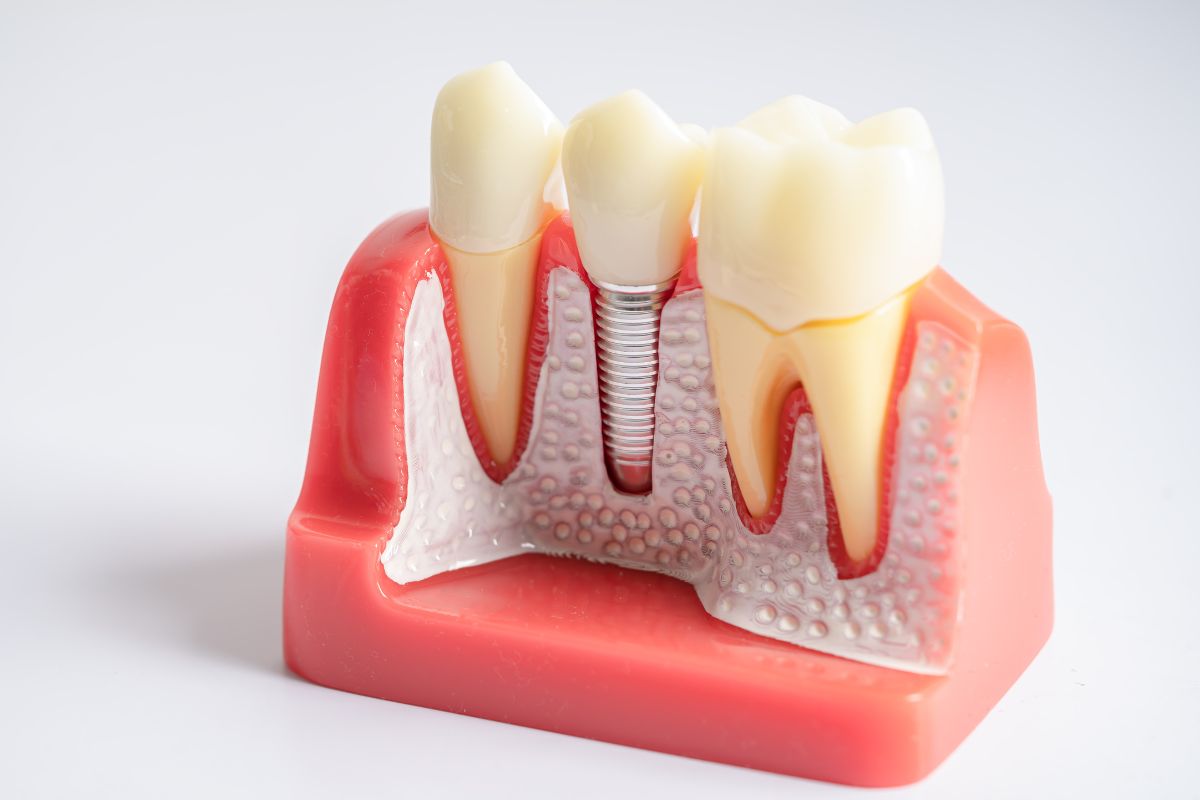
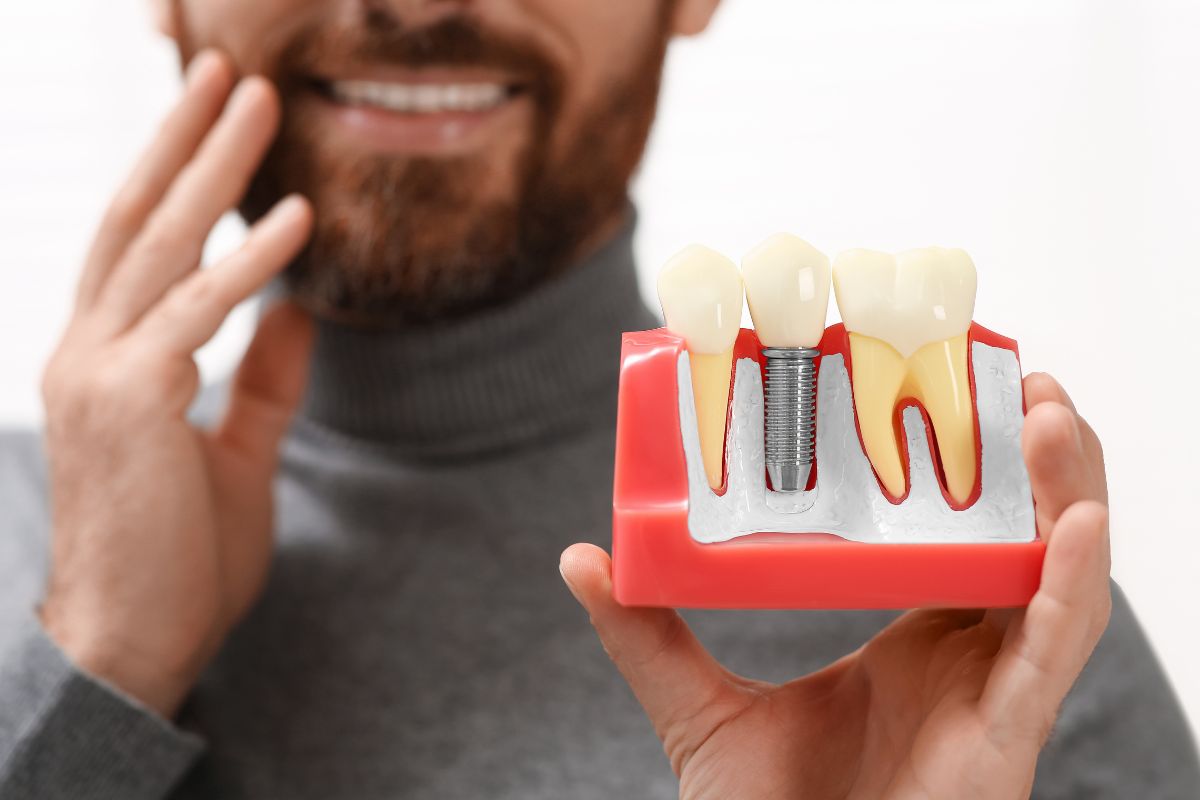
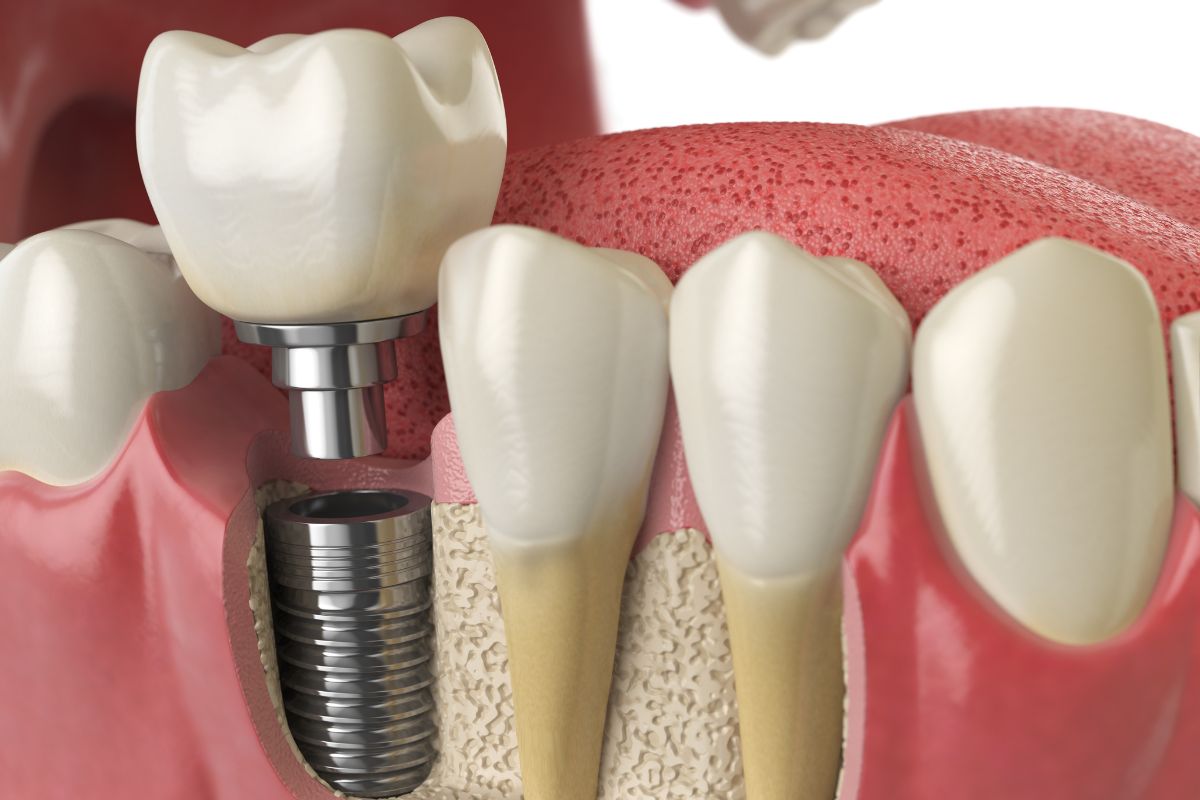
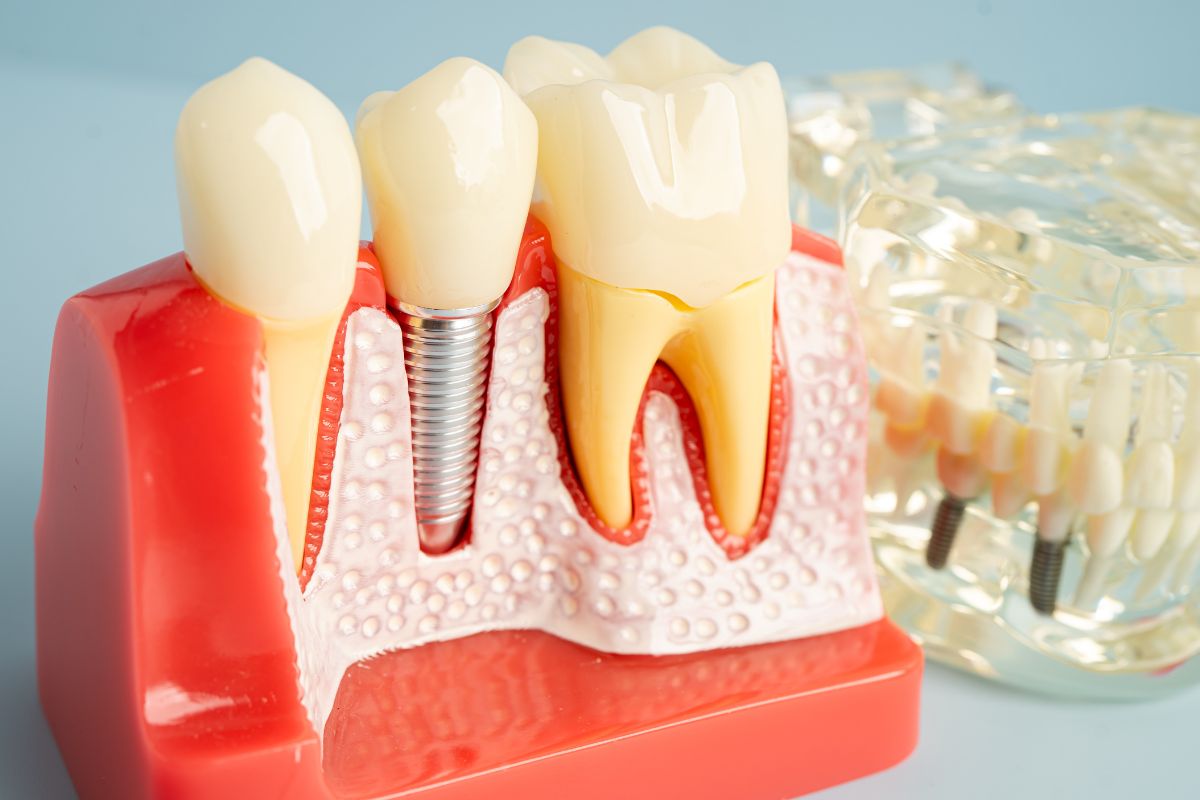
Before we talk about contamination, it helps to understand what a dental implant procedure actually involves. A small titanium post is placed into the jawbone, acting as an artificial root. Over the following weeks and months, the bone grows around that post in a process called osseointegration. Eventually, a crown is attached on top, giving you a fully functional tooth.
Here at Jersey City Dental, when a patient comes in for a dental implant procedure, Dr. Paek takes the time to walk through each stage from the initial evaluation to the final restoration. The goal is always to make the process as informed and comfortable as possible.
The titanium post itself is designed to be highly compatible with the human body. But the moment it’s placed, it enters an environment that’s home to hundreds of bacterial species. What happens next depends on many factors, some within your control, others not.
Where Does Bacterial Contamination Come From?
This is a question worth asking clearly, because contamination doesn’t always mean something went wrong in the dental chair.
Before the implant is placed, the condition of your mouth matters significantly. If there’s existing gum disease, even a mild form, the bacterial load in the surrounding tissue is already elevated. Those bacteria don’t disappear when the implant goes in.
During the procedure, even in a clinical setting with proper sterilization, the oral cavity itself is not sterile. The implant surface comes into contact with saliva the moment it enters the mouth. That saliva carries bacteria, and some of those bacteria can attach to the titanium surface almost immediately.
After placement, the healing phase is the most vulnerable window. The tissue around the implant site is open and working hard to close around the post. If bacteria colonize that area aggressively, the result can be a condition called peri-implantitis, essentially an infection around the implant that mimics gum disease.
What Is Peri-Implantitis, and Why Should You Care?
Peri-implantitis is one of the leading causes of dental implant failure. It’s an inflammatory condition that affects the soft tissue and bone surrounding an implant. Think of it as gum disease but centered around an artificial tooth rather than a natural one.
The tricky part is that it often doesn’t announce itself with dramatic symptoms. Early on, you might notice:
- Slight bleeding when you brush near the implant
- Mild swelling or redness in the gum tissue
- A subtle bad taste that doesn’t go away with regular brushing
- Some sensitivity or discomfort when you press on the area
Left unaddressed, peri-implantitis can progress to the point where the bone supporting the implant starts to break down. Once that bone loss reaches a certain level, the implant can no longer stay stable. That’s when failure becomes a real possibility.
The bacteria most commonly involved are similar to those that cause gum disease: Porphyromonas gingivalis, Fusobacterium nucleatum, and a handful of other anaerobic species that thrive in low-oxygen environments, like the space between the implant and gum tissue.
Does the Surface of the Implant Play a Role?
Yes, and this is something that doesn’t get discussed nearly enough.
Modern dental implants are designed with textured surfaces to encourage bone attachment. That rough surface gives the bone more area to grip, which makes osseointegration more reliable. But here’s the catch: that same texture also gives bacteria more surface area to attach to and hide within.
Research has consistently shown that bacterial biofilm communities of bacteria that organize themselves into a protective layer form on implant surfaces much the same way they form on natural teeth. Once a biofilm establishes itself, it becomes significantly harder to disrupt with brushing or rinsing alone.
This is why the weeks immediately following implant placement are so critical. It’s also why the instructions provided after your procedure aren’t just suggestions; they’re protective measures backed by solid reasoning.
Your Pre-Existing Oral Health Has More Influence Than You Think
If you’ve had gum disease in the past, even if it was treated, you carry a higher baseline risk for peri-implantitis. Studies have consistently found that patients with a history of periodontal disease are more likely to experience implant complications, sometimes significantly so.
This isn’t a reason to avoid implants. It’s a reason to be thorough about addressing any existing oral health concerns before moving forward with the procedure.
At our dental office, our dentist evaluates each patient’s full oral health picture before recommending implants. If there’s active gum disease, it gets treated first. If there are signs of bone loss, those get assessed. The goal is to give the implant the best possible foundation, literally and biologically.
Smoking, Diabetes, and Other Risk Factors That Compound the Problem
Bacterial contamination doesn’t work in isolation. Certain conditions make it easier for bacteria to cause damage because they interfere with the body’s ability to respond.
Smoking is one of the most significant risk factors for implant failure. Tobacco use reduces blood flow to the gum tissue, impairs immune response, and creates an environment where harmful bacteria flourish. Smokers are also more likely to develop peri-implantitis and are less likely to heal predictably after implant placement.
Uncontrolled diabetes affects how the body heals and how effectively it fights infection. People with well-managed diabetes can absolutely be good candidates for implants, but blood sugar control going into the procedure matters a great deal.
Dry mouth, often caused by certain medications or health conditions, reduces saliva flow. Saliva does a lot of quiet work in the mouth; it buffers acids, carries antimicrobial proteins, and helps clear food debris. When there’s less of it, bacteria have a much easier time establishing themselves.
Poor bite alignment can create excessive pressure on an implant, which opens micro-gaps at the implant-tissue interface. Those gaps become perfect entry points for bacteria.
How Contamination Is Prevented – Both in the Office and at Home
This is where the conversation becomes practical.
In the dental office, prevention begins long before the implant is placed. Proper sterilization of all instruments, careful handling of the implant to avoid surface contamination, and thorough preparation of the surgical site all reduce the bacterial load the implant encounters on day one.
During your dental implant procedure at our practice, follows a detailed protocol that covers pre-operative mouth rinses, precise tissue handling, and post-operative care instructions designed specifically to protect the healing site.
At home, your habits during the healing period are just as important as anything done in the chair. Gentle brushing around the implant site, using an antimicrobial mouth rinse as directed, avoiding smoking, and showing up to your follow-up appointments these aren’t optional steps. They’re the difference between an implant that thrives and one that struggles.
Interproximal brushes small, cone-shaped brushes that clean between teeth and around implant posts are particularly useful for implant maintenance once healing is complete. They reach areas that a regular toothbrush simply can’t.
What Happens If Peri-Implantitis Is Caught Early?
The good news here is real. Caught in its early stages, peri-implantitis is very manageable. Treatment typically involves professional cleaning of the implant surface, removal of biofilm, and sometimes application of an antimicrobial agent to the area. In some cases, adjustments to the bite may be needed.
More advanced cases may require surgical intervention to clean the area around the implant and sometimes to graft bone that has been lost. The outcomes are still reasonably positive when the condition is caught before too much bone loss has occurred, which is exactly why follow-up care matters so much.
The patients who do best with implants over the long term are the ones who stay engaged with their dental care even after the implant feels stable and comfortable. An implant isn’t maintenance-free. It needs attention, just like a natural tooth does.
Long-Term Implant Success Is Absolutely Achievable
It’s easy to read all of this and feel a little anxious about getting an implant. That’s not the intent here. Dental implants have an excellent long-term track record; success rates regularly cited in clinical literature fall above 95% over ten years, and many implants last decades without issue.
The patients who run into problems are usually those who either had unaddressed risk factors going into the procedure or who didn’t follow through with the post-placement care. When the conditions are right, and the aftercare is consistent, bacterial contamination doesn’t have to become bacterial infection.
The key takeaway is this: bacterial contamination is a real and well-documented challenge in implant dentistry, but it’s one that can be anticipated, minimized, and managed. It’s not a reason to avoid implants; it’s a reason to go into the process informed and prepared.
Protecting Your Smile for the Long Haul With the Right Team Behind You
Dental implants can genuinely change how you eat, speak, and feel about your smile. But long-term success depends on more than just the procedure itself; it depends on honest pre-treatment evaluation, sound technique, and a commitment to follow-through on both sides.
At our dental office, we want every patient who chooses implants to keep them for life. Whether you’re still in the research stage, already on your healing journey, or noticing something around an existing implant that doesn’t feel quite right, our team in Jersey City is here to help you navigate it with clarity and confidence. Your smile deserves that kind of care, and so do you. Request an appointment today and take the first step toward a smile that’s built to last.