
Losing a tooth may not seem urgent, especially if it is hidden from view or does not cause pain. Many people continue with their daily routine, assuming they can delay treatment until it becomes necessary. While that may feel convenient, a missing tooth can gradually affect your oral health in ways that are not always obvious.
At Jersey City Dental, we often help patients understand how early replacement of missing teeth can protect more than just their smile. A missing tooth can change the way your teeth fit together, reduce chewing efficiency, and even affect the health of your jawbone over time. This guide explains what happens when a tooth is left untreated, why timing matters, and the options for replacing a missing tooth so you can make informed decisions about your long-term oral health.
What Happens After You Lose a Tooth?
A missing tooth affects more than the empty space. Over time, your nearby teeth, jawbone, and bite begin to change as your mouth adapts to the gap.
The effects of tooth loss begin soon after a tooth is removed or falls out. Although these changes happen gradually, they can influence your ability to chew, speak, and maintain proper oral function.
Some of the most common changes include:
- Neighbouring teeth begin drifting toward the space.
- Opposing teeth may move because they no longer have support.
- The jawbone beneath the missing tooth begins to lose stimulation.
- Your bite gradually becomes less balanced.
- Food can become trapped more easily around the gap, increasing the risk of decay and gum problems.
These changes may develop slowly, making them easy to overlook until they begin affecting everyday comfort and function.
Why Does the Jawbone Shrink After Tooth Loss?
The jawbone relies on stimulation from tooth roots. Without that stimulation, the body gradually reabsorbs bone in the area where the tooth once existed.
One of the least understood consequences of a missing permanent tooth is bone loss. Every time you chew, healthy tooth roots transmit gentle pressure into the surrounding bone. This natural stimulation helps maintain bone density.
When a tooth is missing, that stimulation stops. As a result, the body begins breaking down bone that is no longer being used. This natural process, known as bone resorption, can continue over time if the tooth is not replaced.
Why Bone Loss Matters for Your Oral Health
Bone loss may lead to:
- Reduced support for nearby teeth
- Changes in facial appearance over time
- Difficulty placing certain restorations later
- Additional treatment before tooth replacement becomes possible
Patients are often surprised that bone changes can begin long before they notice visible differences. That is one reason dentists recommend discussing tooth replacement after extraction sooner rather than later.
Can One Missing Tooth Affect the Rest of Your Teeth?
Yes, even a single missing tooth can change the position of surrounding teeth and affect your bite over time.
Each tooth works together to keep the entire dental arch stable. When one tooth is lost, the remaining teeth naturally begin to adapt to the extra space. This movement is usually slow, but it can create long-term problems if left untreated.
Teeth Can Shift Into the Empty Space
The neighbouring teeth may gradually lean toward the gap, while the tooth above or below may extend farther than normal because it no longer has an opposing surface to bite against.
These changes can contribute to:
- Uneven tooth wear
- Bite misalignment
- Greater difficulty cleaning between teeth
- Increased plaque accumulation
- Higher risk of gum disease and cavities
In many cases, patients who delay replacing missing teeth later require additional orthodontic or restorative treatment because the surrounding teeth have already shifted.
Even when a missing tooth is located near the back of the mouth, preserving proper alignment helps maintain healthy chewing patterns and long-term oral stability.
Can Delaying Treatment Change the Way You Eat and Speak?
Yes, a missing tooth can make chewing less efficient, alter speech patterns, and place extra stress on the remaining teeth.
Many people adapt to a missing tooth without realising they are changing their chewing habits. They may avoid certain foods or chew on only one side of the mouth. Over time, these habits can place uneven pressure on healthy teeth and jaw joints.
Depending on the location of the gap, you may notice:
- Difficulty chewing tougher foods
- Food collecting in the empty space
- Changes in pronunciation of certain words
- Increased pressure on nearby teeth
- Reduced confidence while eating in social settings
Whether you are replacing a front tooth or a back tooth, restoring proper function helps distribute chewing forces evenly across your smile.
Can You Wait to Replace a Missing Tooth?
Sometimes treatment can be safely delayed for a short period, but waiting too long often makes replacement more complicated.
This is one of the most common questions dentists hear after a tooth is lost. The answer depends on several factors, including the cause of tooth loss, the health of your gums and bone, and the condition of surrounding teeth.
A short healing period after an extraction may be recommended before treatment begins. However, delaying care for months or years allows changes inside the mouth to continue.
A dental evaluation can help determine:
- Whether bone levels remain healthy
- If nearby teeth have started shifting
- Which missing teeth solutions fit your needs
- Whether additional treatment may be needed before restoration
Seeking professional advice early does not always mean treatment begins immediately. It simply allows you to understand your options before more complex issues develop.
What Are Your Tooth Replacement Options?
Several treatments can restore a missing tooth. The right choice depends on your oral health, the number of missing teeth, and your long-term goals.
There is no single solution that fits every patient. Modern dentistry offers several ways to restore appearance and function while preserving long-term oral health.
- Dental Implants
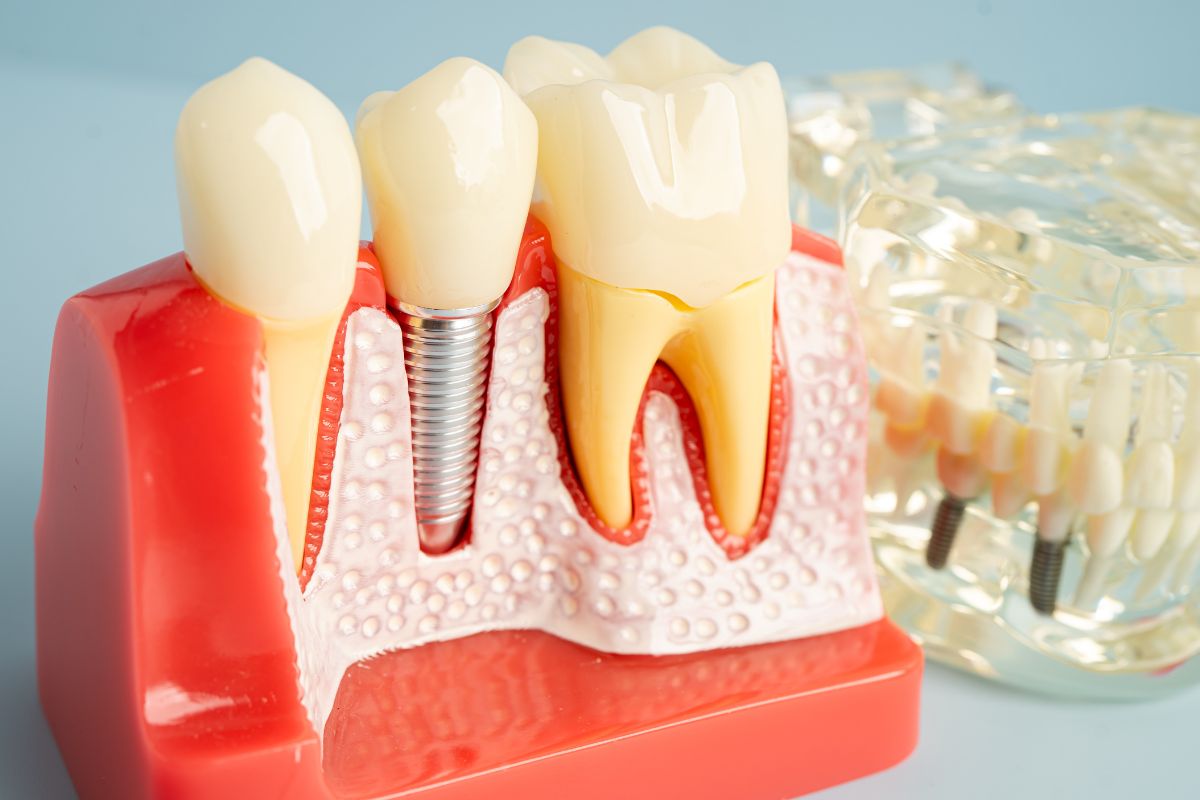
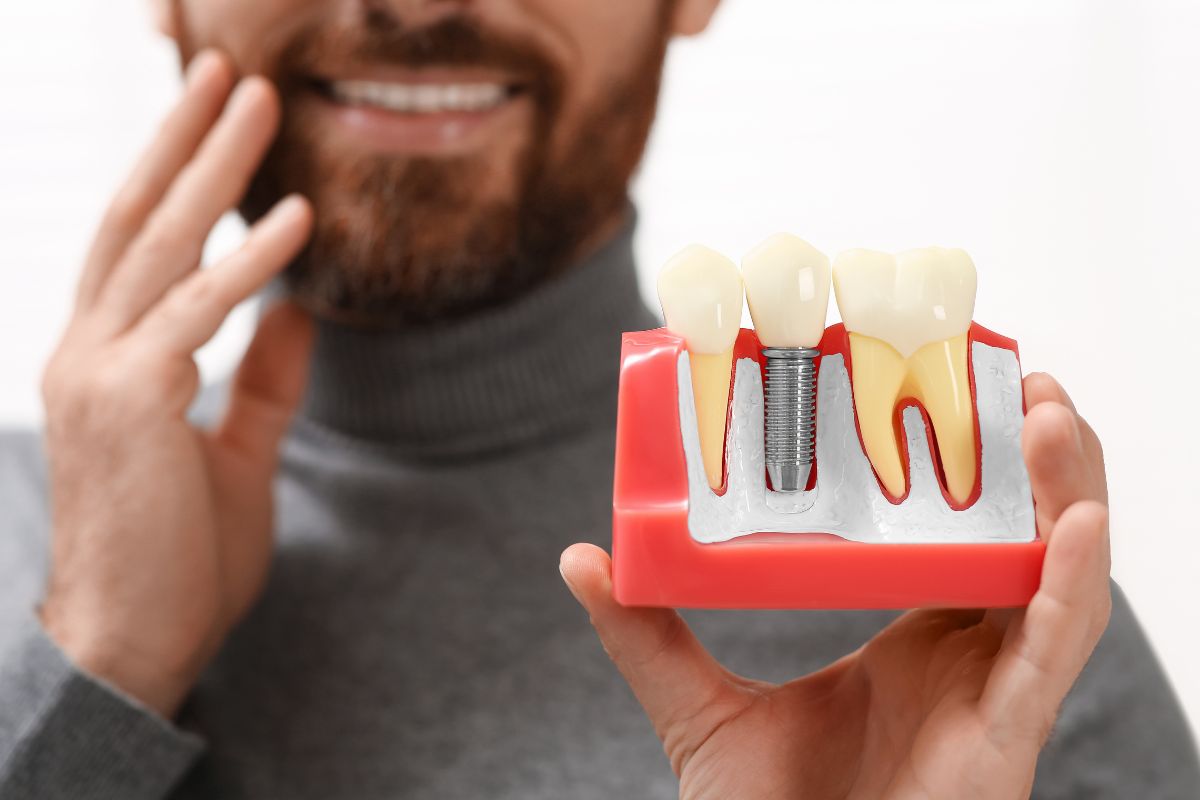
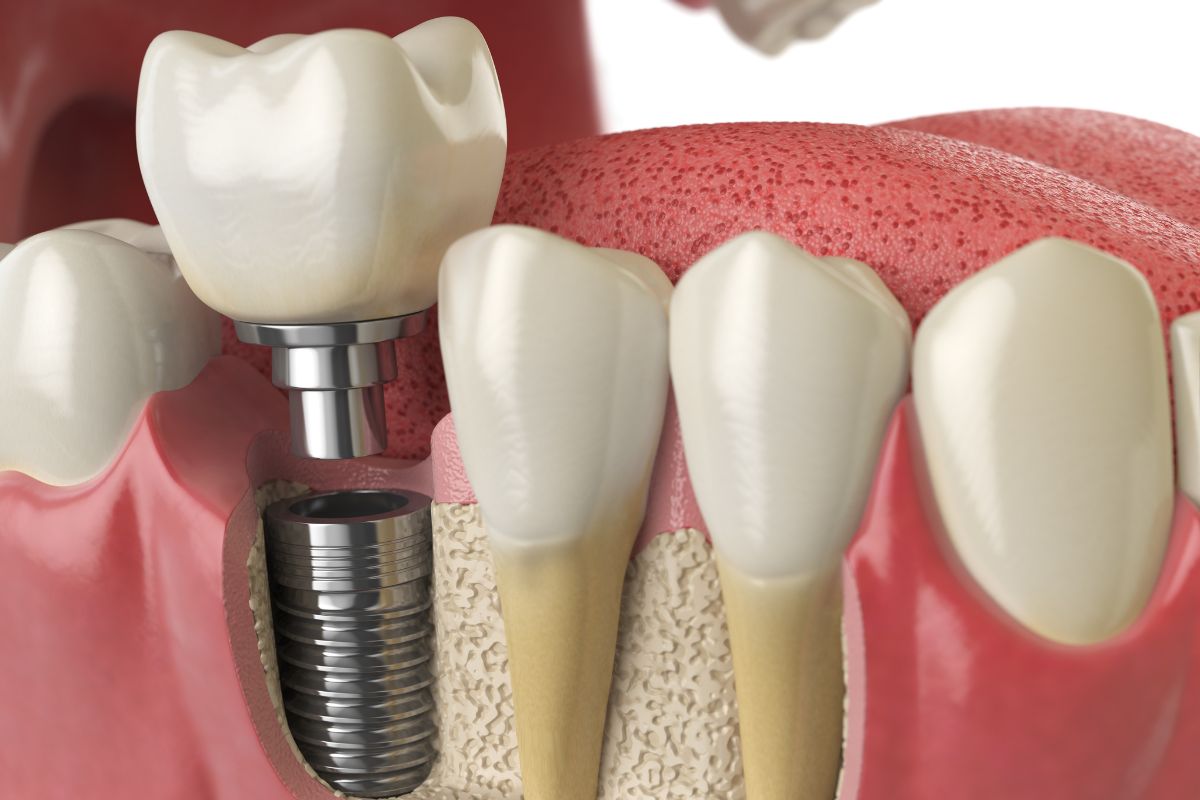
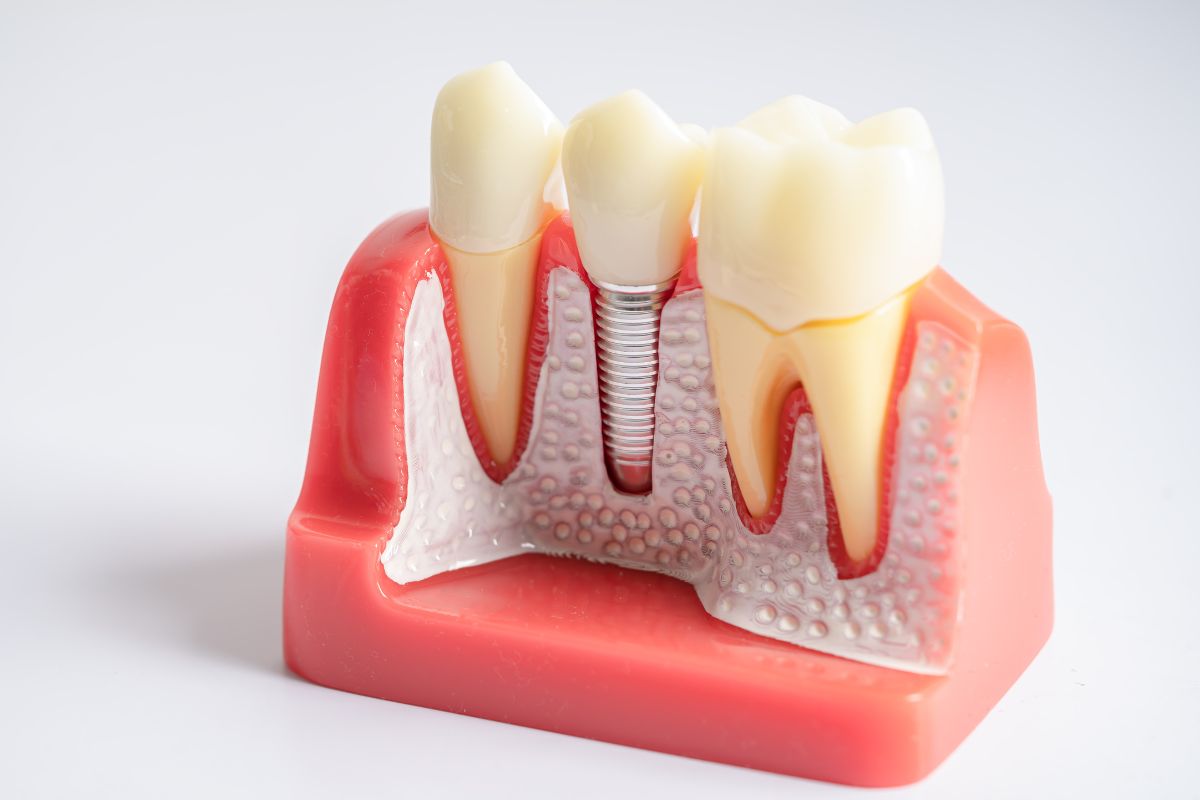
Dental implants replace both the tooth root and the visible crown, helping maintain jawbone stimulation while restoring normal chewing function. They are often recommended for patients seeking a long-term permanent tooth replacement when adequate bone support is available.
- Dental Bridges and Crowns
When appropriate, a dental bridge uses neighbouring teeth to support an artificial replacement tooth. A custom dental crown is then placed over the supporting teeth to create a stable restoration.
This option can restore function without surgery and may be recommended depending on the condition of adjacent teeth.
- Dentures
Dentures remain an effective solution for replacing multiple missing teeth or a full arch of teeth. Today’s dentures are designed to improve comfort, appearance, and everyday function while helping patients regain confidence during meals and conversations.
- Dental Bonding
Dental bonding is generally used to repair chipped or worn teeth rather than replace an entire missing tooth. In selected situations, bonding may be used alongside other restorative procedures to improve appearance or refine the final result of a smile restoration.
Because every smile is unique, a comprehensive examination is the most reliable way to determine how to replace a missing tooth while protecting your long-term oral health.
How Do Dentists Decide Which Treatment Is Right for You?
The right treatment depends on your bone health, gum condition, bite, medical history, and personal goals.
At our dental practice, every treatment plan begins with understanding the whole picture rather than simply filling an empty space.
During your evaluation, your dentist may assess:
- The number and location of missing teeth
- Jawbone volume and quality
- Gum health
- Bite alignment
- Overall oral health
- Personal preferences and lifestyle
Someone missing one front tooth may benefit from a different approach than someone replacing several molars. The goal is always to restore both appearance and function while supporting long-term oral health.
Many patients are surprised to learn they have more than one suitable option after a comprehensive examination.
Why Acting Early Can Help Protect Your Oral Health
Early treatment often preserves bone, maintains tooth alignment, and provides more missing tooth replacement options before additional problems develop.
Replacing a missing tooth is not simply about filling a gap. It is about preserving the health of the surrounding teeth, maintaining a balanced bite, and supporting everyday activities like eating and speaking comfortably.
Addressing the issue early may help:
- Maintain healthy bone levels
- Reduce unwanted tooth movement
- Restore chewing efficiency
- Support clear speech
- Improve smile confidence
- Simplify future treatment planning
Whether your tooth was lost due to injury, decay, or extraction, discussing your options sooner gives you the best opportunity to preserve your oral health.
Restore Your Smile Before Small Changes Become Bigger Problems
A missing tooth may seem like a minor inconvenience today, but the effects often become more noticeable over time. Learning about your treatment choices early allows you to make confident decisions based on your oral health rather than waiting until more complex care becomes necessary.
At our dental office, we help patients understand every available solution, from dental implants, bridges, dentures, and other restorative treatments, so they can choose the approach that fits their needs. Dr Paek and our team proudly serve patients throughout Jersey City and Hoboken, providing compassionate care focused on restoring healthy, confident smiles. Schedule an appointment today to learn which missing tooth replacement option is right for you.