
Orthodontic treatment is a transformative journey that not only enhances your smile but also improves your overall oral health. As an orthodontist, one of the most common questions I receive from patients is, “How long will my orthodontic treatment take?” The answer varies depending on several factors, including the type of treatment, the complexity of the case, and patient compliance. In this blog post, I will provide a comprehensive overview of the typical timeline for various orthodontic treatments and what you can expect during your journey to a perfect smile.
Factors Influencing Treatment Duration
Type of Malocclusion
The type and severity of malocclusion (misalignment of teeth and jaws) significantly impact the length of orthodontic treatment. Mild cases, such as minor crowding or spacing, generally require shorter treatment times, typically ranging from 6 to 12 months. More severe cases, including significant crowding, large gaps, or complex bite issues like overbite, underbite, or crossbite, may take 18 to 36 months or longer to correct.
Age of the Patient
Age is another critical factor. While orthodontic treatment can be effective at any age, children’s and teenagers’ teeth and jaws are still developing, making them more responsive to orthodontic adjustments. Consequently, treatment for younger patients often progresses faster compared to adults. However, adults can achieve excellent results; it just might take a bit longer due to the maturity of their oral structures.
Type of Orthodontic Appliance
The choice of orthodontic appliance also affects treatment duration. Here’s a look at the different options:
1. Traditional Braces
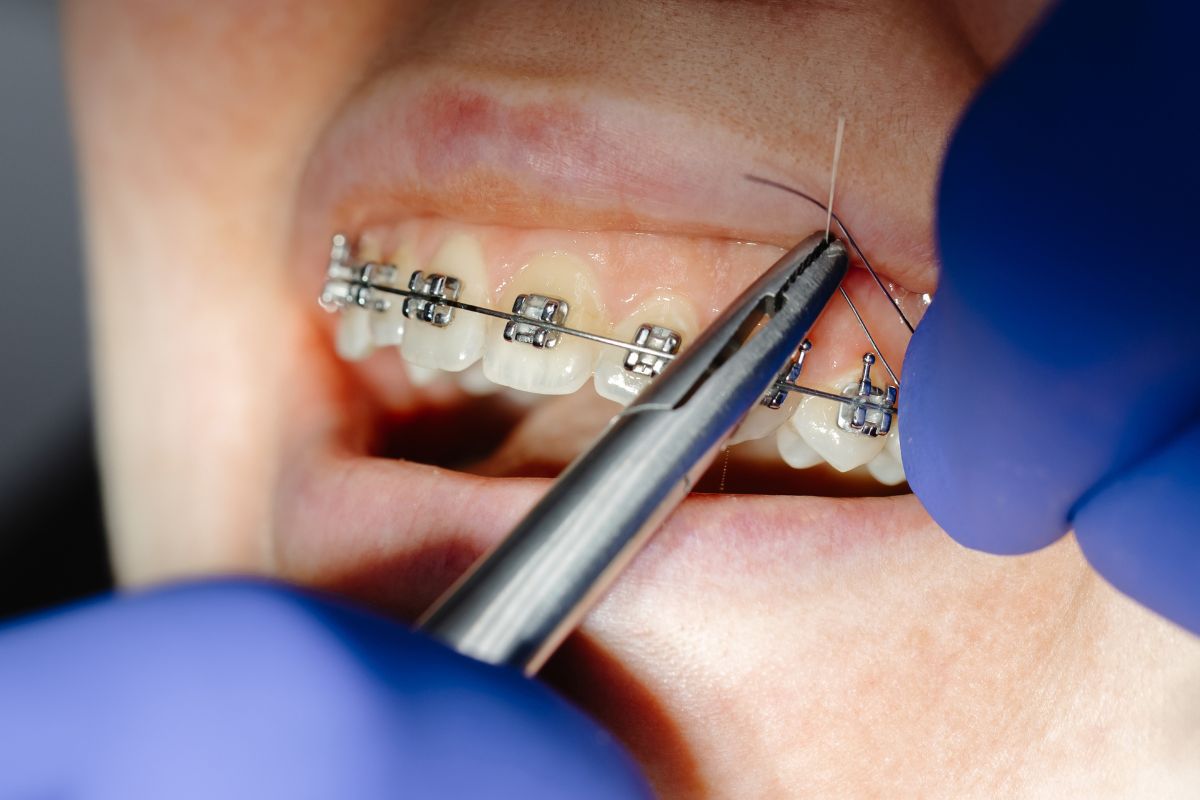
Traditional metal braces are the most common type of orthodontic appliance and are highly effective for a wide range of cases. On average, treatment with metal braces lasts between 18 and 24 months. Ceramic braces, which are similar to metal braces but less noticeable, have a comparable treatment timeline.
2. Invisalign
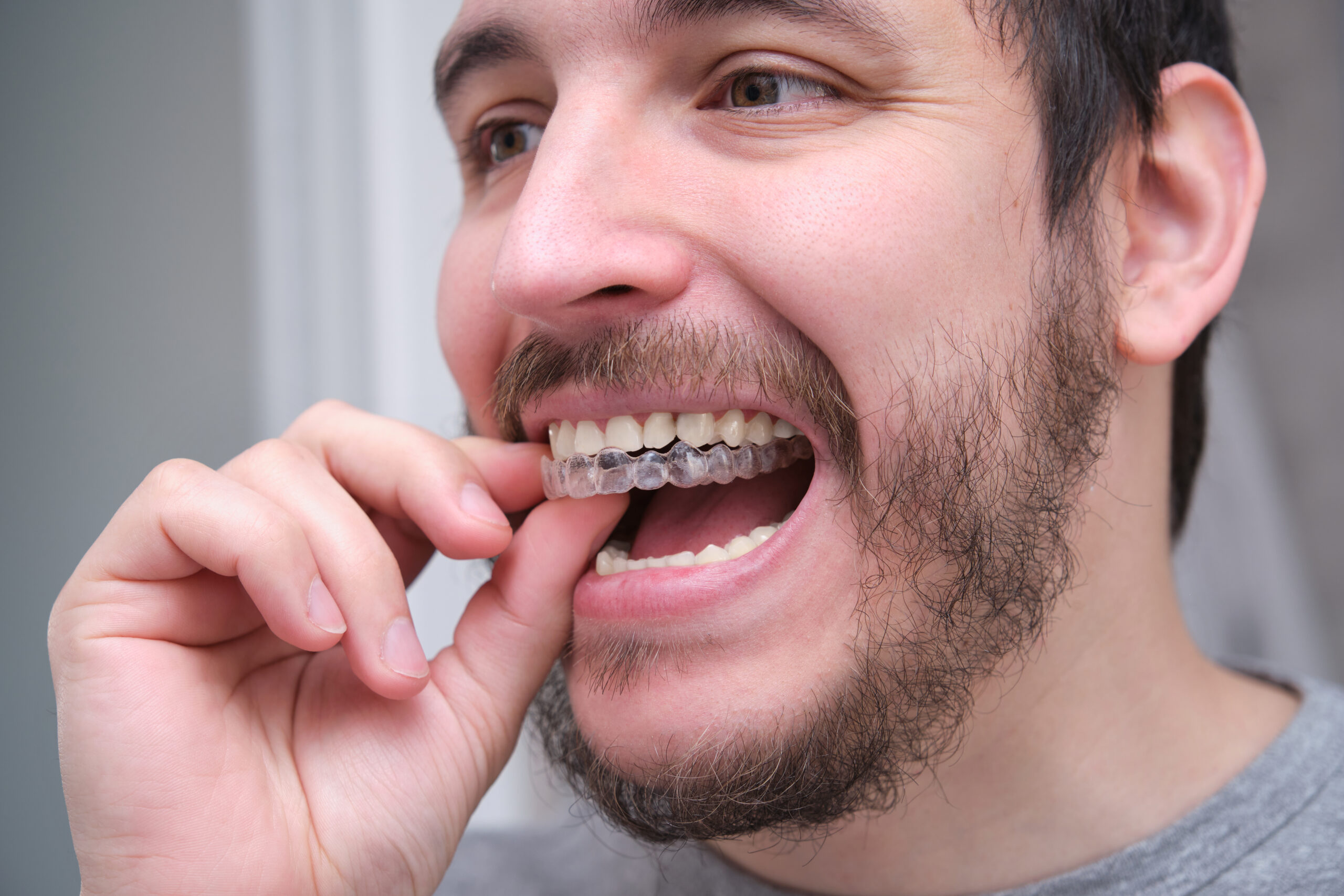
Invisalign, a popular clear aligner system, offers a discreet alternative to traditional braces. The duration of Invisalign treatment varies based on the complexity of the case but typically ranges from 12 to 18 months. Patients must wear the aligners for 20 to 22 hours a day for optimal results.
3. Lingual Braces
Lingual braces are placed on the inside of the teeth, making them virtually invisible from the outside. They can be as effective as traditional braces for many cases, with a treatment timeline usually falling between 18 and 36 months, depending on the complexity of the misalignment.
The Phases of Orthodontic Treatment
Orthodontic treatment generally progresses through three main phases: planning, active treatment, and retention. Each phase plays a crucial role in achieving and maintaining your desired results.
1. Planning Phase
The planning phase involves a comprehensive examination, including X-rays, photographs, and dental impressions. During this phase, the orthodontist will create a customized treatment plan tailored to your specific needs. This phase typically takes a few weeks to complete.
2. Active Treatment Phase
The active treatment phase is when the orthodontic appliances are applied, and regular adjustments are made to gradually move the teeth into their correct positions. This phase can last anywhere from several months to a few years, depending on the factors mentioned earlier. Patients will need to visit their orthodontist every 4 to 8 weeks for adjustments and progress checks.
3. Retention Phase
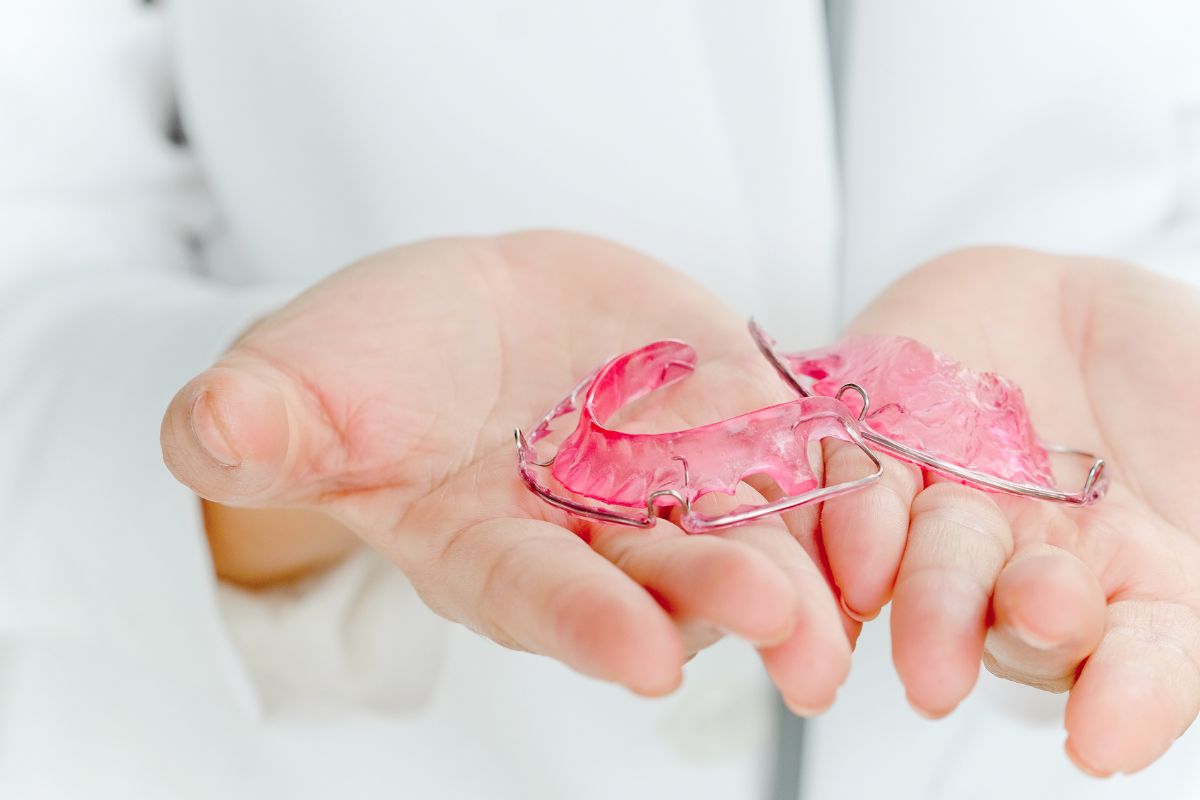
Once the desired alignment is achieved, the retention phase begins. Retainers are used to maintain the new positions of the teeth and prevent them from shifting back. The retention phase is crucial for long-term success and typically involves wearing retainers full-time for a few months, then transitioning to nighttime wear indefinitely.
Patient Compliance and Its Impact
Patient compliance plays a vital role in the success and duration of orthodontic treatment. Here are some ways you can help ensure your treatment stays on track:
1. Follow Instructions
Adhering to the orthodontist’s instructions regarding the care and maintenance of your orthodontic appliances is essential. This includes wearing elastics, headgear, or aligners as directed.
2. Maintain Oral Hygiene
Good oral hygiene is critical during orthodontic treatment to prevent dental issues that could delay progress. Brushing and flossing regularly, and visiting your dentist for cleanings, will help keep your teeth and gums healthy.
3. Attend Regular Appointments
Regular visits to the orthodontist are necessary for adjustments and monitoring progress. Skipping appointments or delaying visits can prolong the treatment timeline.
The duration of orthodontic treatment varies from person to person, influenced by factors such as the type and severity of malocclusion, the patient’s age, the type of orthodontic appliance used, and patient compliance. On average, orthodontic treatment can take anywhere from 6 months to 36 months. As an orthodontist, my goal is to provide you with the most effective and efficient treatment possible, ensuring a beautiful and healthy smile that lasts a lifetime.