
Malocclusion, or the misalignment of teeth and jaws, is a common dental condition that can lead to more than cosmetic concerns. While many people associate orthodontics with aesthetics, treating malocclusion has more profound implications for oral health, functionality, and overall well-being. But can an orthodontist effectively treat malocclusion? The answer is a resounding yes—let’s explore why.
Understanding Malocclusion
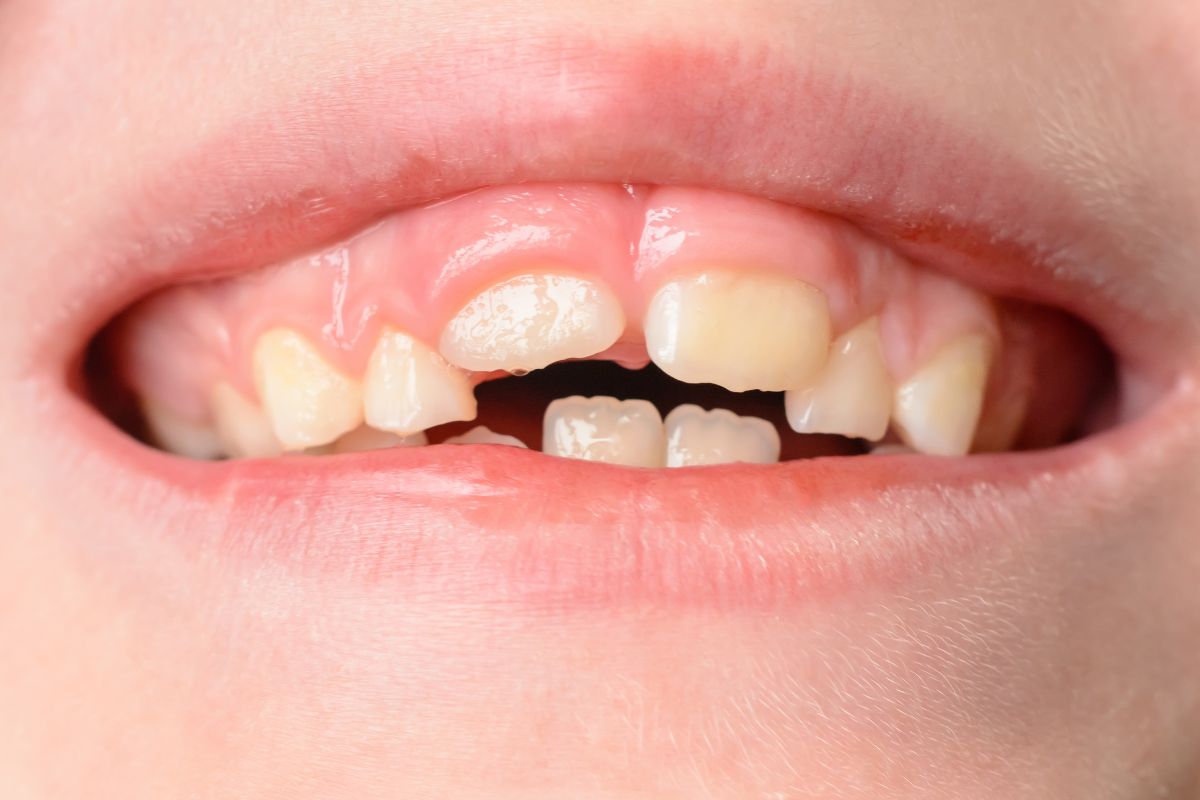
Malocclusion comes in various forms, including overbite, underbite, crossbite, open bite, and overcrowding. Genetic factors, prolonged thumb sucking, jaw injuries, or early loss of baby teeth can cause these irregularities. Malocclusion may cause difficulties in chewing, speaking, and maintaining proper oral hygiene, depending on the type and severity of the condition. Over time, untreated malocclusion may lead to gum disease, tooth decay, or temporomandibular joint (TMJ) disorders.
How do Orthodontists Diagnose Malocclusion?
Orthodontists are dental specialists trained to correct misalignments in teeth and jaws. They begin by conducting a thorough evaluation, which may include digital X-rays, 3D imaging, and bite analysis. This comprehensive diagnostic process helps determine the type of malocclusion and the best treatment plan to address it.
Not all malocclusions are the same. Some may require minor tooth adjustments, while others require extensive jaw repositioning. An orthodontist tailors the treatment to fit the patient’s individual needs, age, and oral health condition.
Treatment Options for Malocclusion
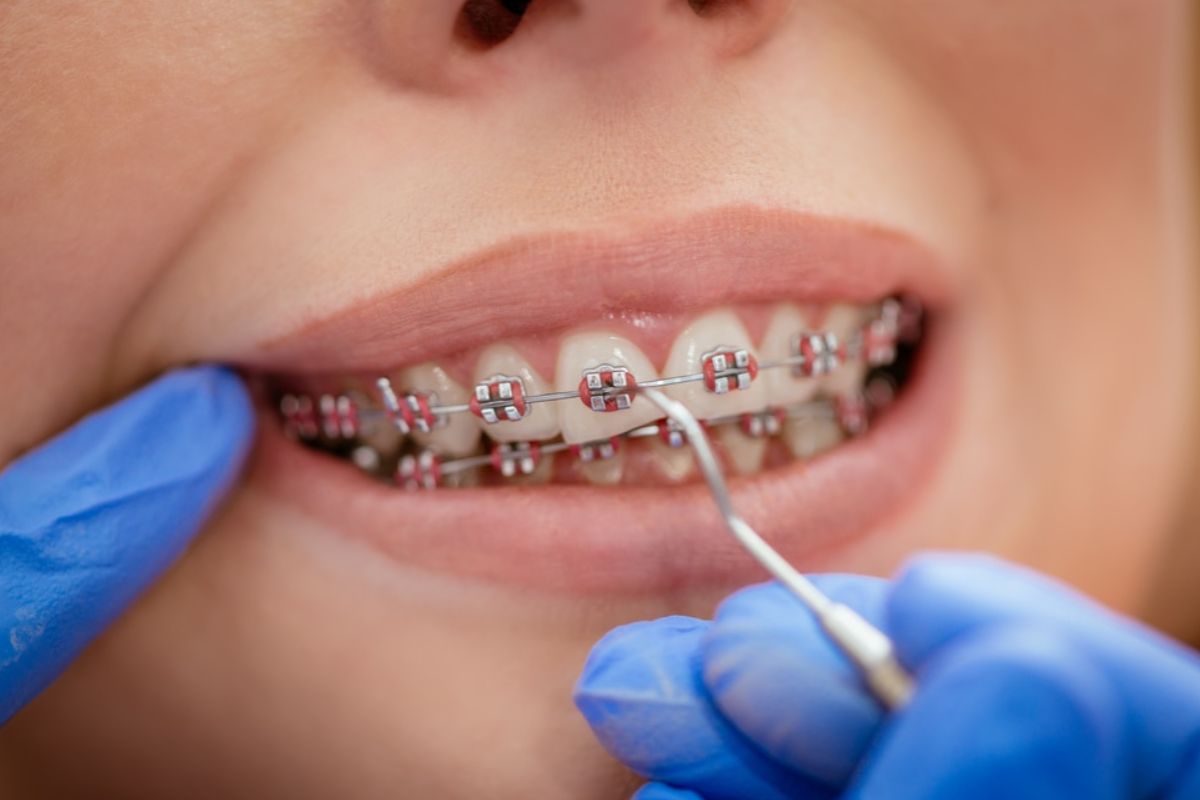
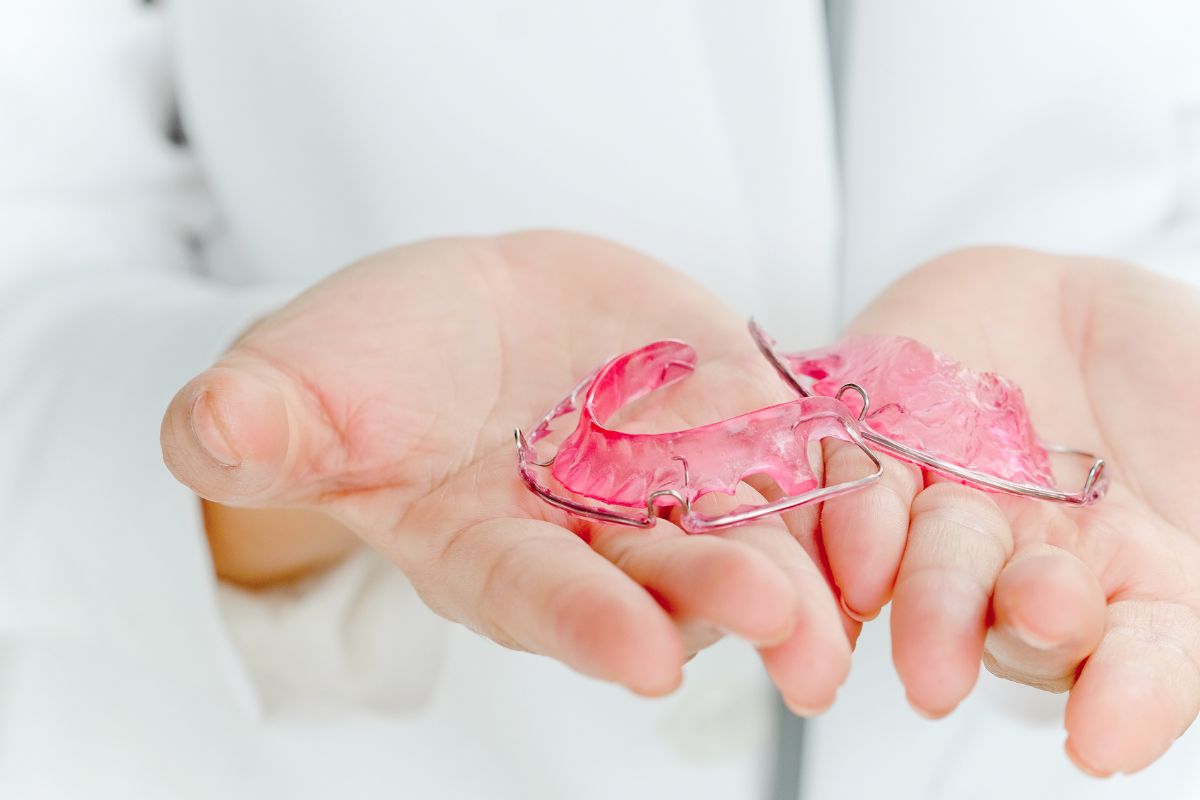
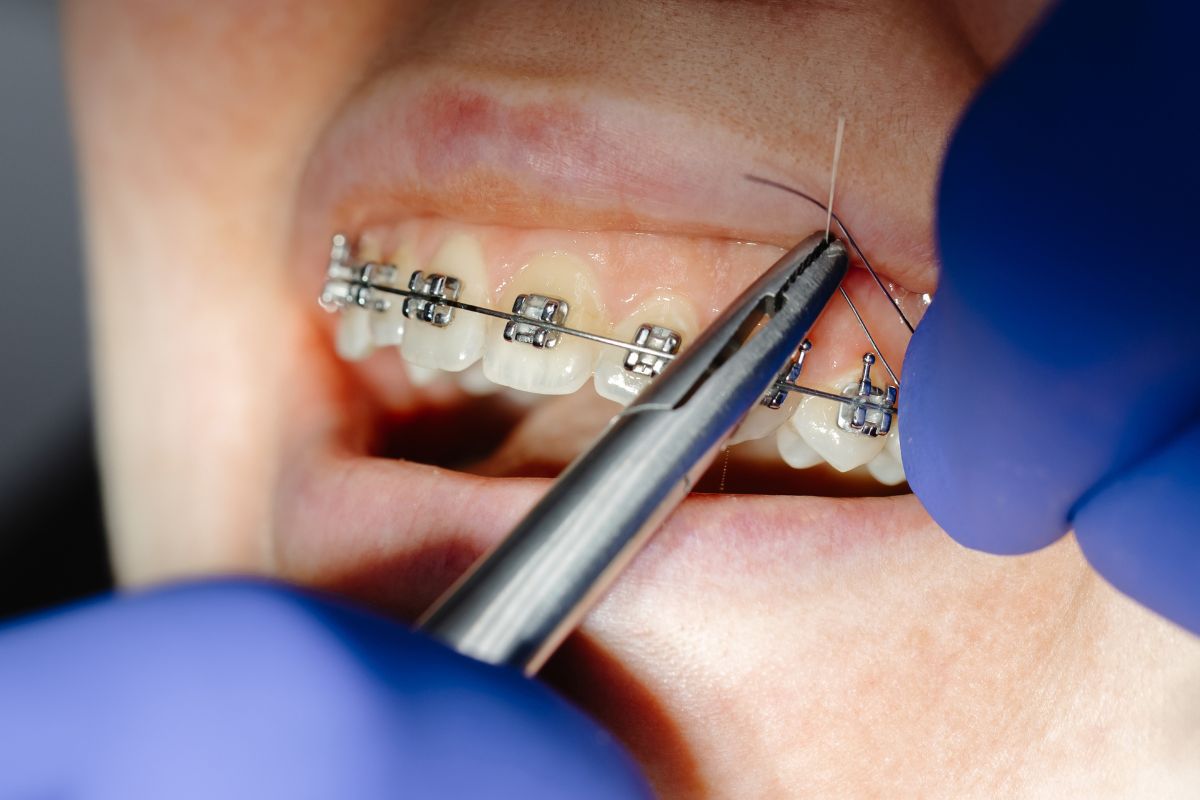
Orthodontists use various tools and techniques to treat malocclusion, ranging from traditional metal braces to more advanced options like ceramic braces, lingual braces, and clear aligners. Orthodontic appliances like palate expanders or surgical intervention may be necessary in some severe cases.
The key to effective treatment is applying gentle pressure to move teeth into their correct positions over time. This improves the smile’s appearance, enhances bite function, and reduces strain on the jaw muscles.
For those seeking treatment options, consulting with an orthodontist in Jersey City provides access to modern solutions tailored to both cosmetic and functional needs.
Long-Term Benefits of Treating Malocclusion
Correcting malocclusion isn’t just about aesthetics—it’s a step toward better oral health. Proper teeth alignment makes brushing and flossing more effective, reducing the risk of plaque buildup and gum disease. A well-aligned bite also prevents excessive wear on certain teeth, reducing the likelihood of fractures or uneven tooth erosion over time.
In addition, treating malocclusion can help alleviate jaw pain, headaches, and even speech difficulties that are sometimes linked to bite problems. With early detection and consistent treatment, most cases can be managed successfully, leading to a healthier smile and improved quality of life.
Conclusion
Orthodontists are highly equipped to diagnose and treat malocclusion using various personalized strategies. Expert orthodontic care can make a significant difference, whether you’re dealing with mild overcrowding or a more complex bite issue. At Jersey City Dental, patients receive specialized orthodontic care designed to improve function and aesthetics, setting the foundation for lifelong oral health.