

Losing a tooth affects more than just the way your smile looks—it also impacts the health of your jawbone. Many people don’t realize that the bone beneath a missing tooth begins to shrink over time. That’s why more patients today are turning to long-term solutions, such as dental implants, to protect their oral health. Understanding how implants help preserve the jawbone can make it easier to decide whether they’re the right choice for you.
Why Missing Teeth Lead to Bone Loss?
Your jawbone depends on regular stimulation to stay strong. Every time you chew or bite down, the roots of your teeth send signals to the bone, keeping it active and healthy.
But when a tooth is lost, that stimulation stops.
Without a root in place, the bone begins to slowly weaken. Over the months and years, this can lead to:
- A sunken or aged appearance in the face
- Changes in your bite
- Shifting of nearby teeth
- Difficulty chewing certain foods
This process is natural but preventable—and that’s where dental implants for long-term bone support come in.
How Dental Implants Support the Jawbone?
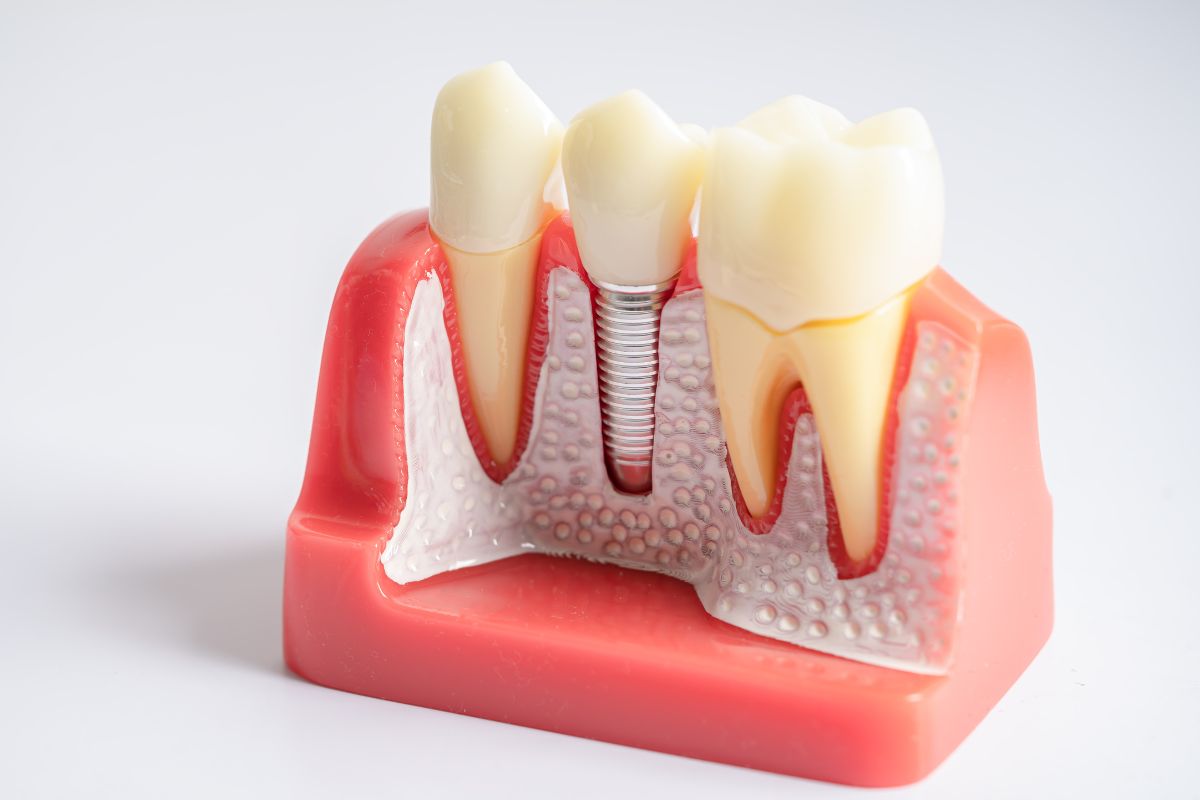
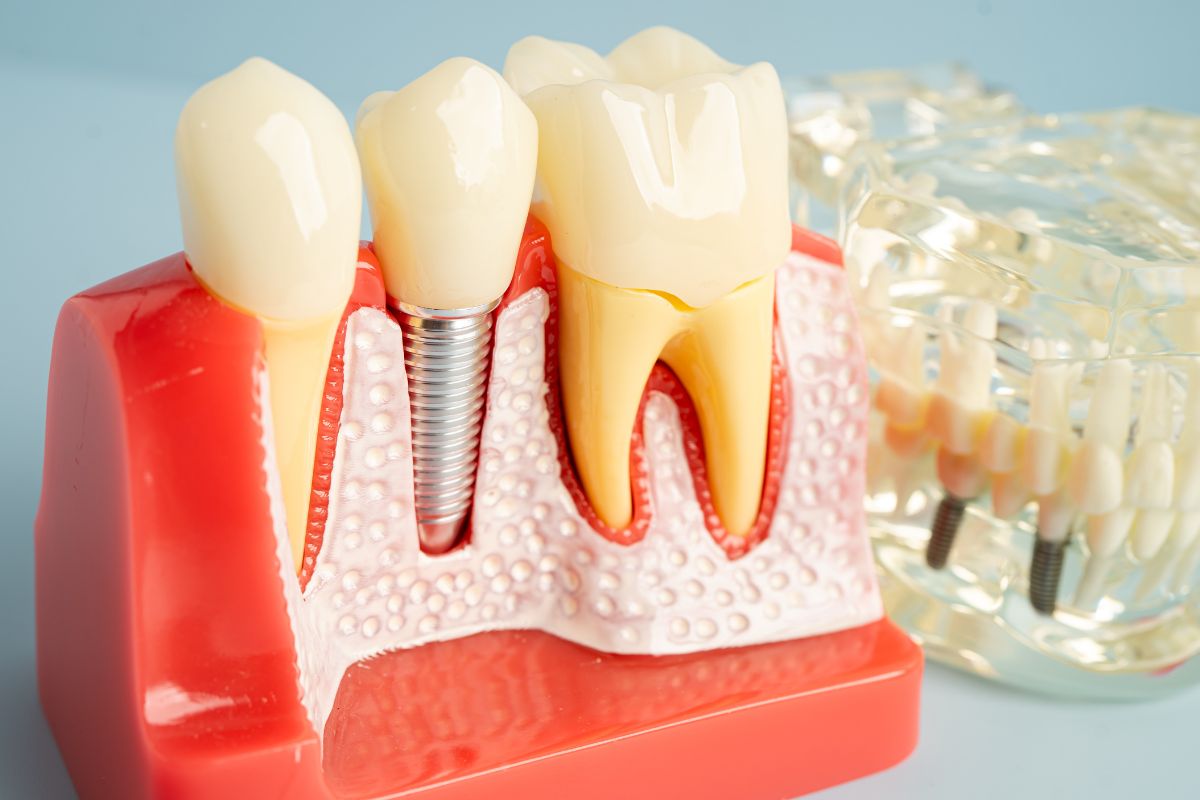
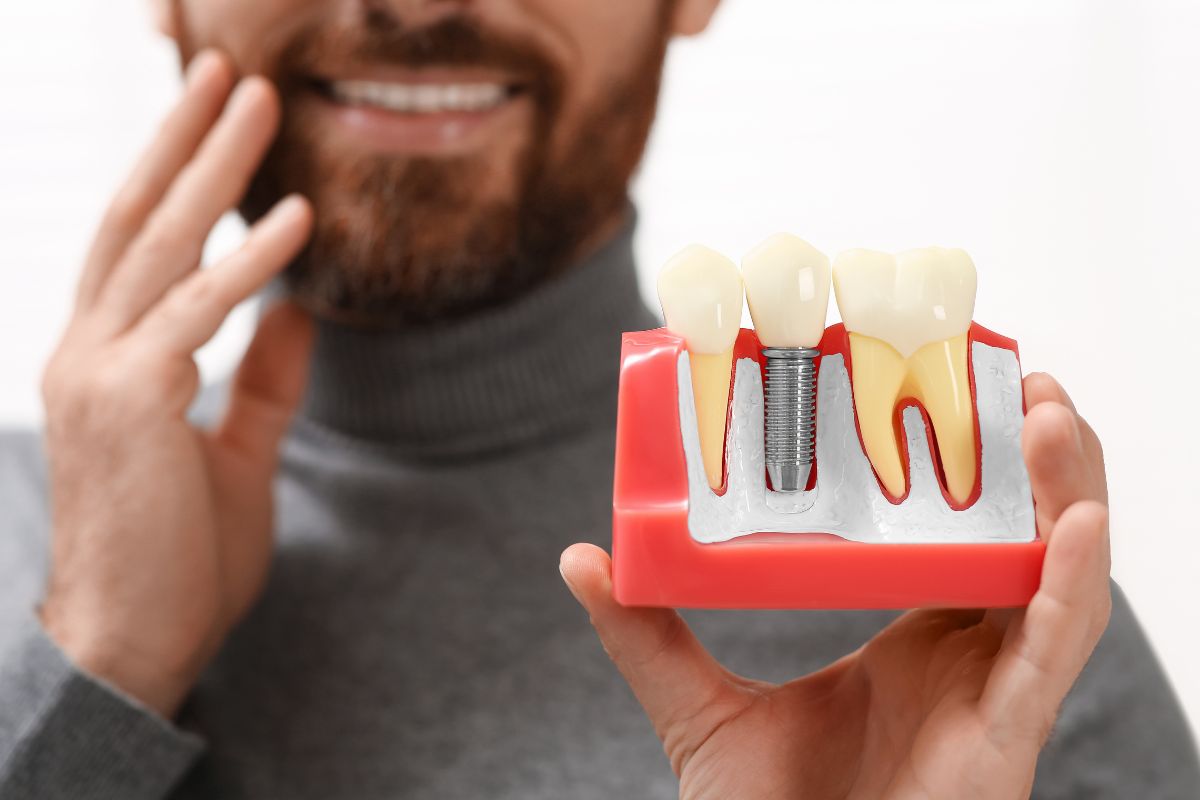
Dental implants are designed to act just like real tooth roots. Once placed in the jaw, the titanium post fuses with the bone. This connection allows the bone to receive the same type of stimulation it would get from a natural tooth.
With an implant in place:
- The bone stays active and doesn’t shrink
- Your facial shape is better preserved.
- Chewing forces are distributed evenly
- The surrounding teeth remain stable.
In simple terms, dental implants help prevent jawbone loss by giving the bone a reason to stay strong.
Long-Term Benefits of Choosing Dental Implants
Beyond bone preservation, implants offer several long-lasting advantages:
- They prevent teeth from shifting.
Once a tooth is gone, nearby teeth tend to move. Implants hold your smile in proper alignment. - They provide stability you can rely on.
Unlike dentures, implants don’t slip or move when you talk or eat. - They support natural speaking and chewing.
Because they feel secure, many patients say implants feel closest to having their natural teeth again. - They help maintain overall oral health.
A stable bite reduces wear and tear on the rest of your teeth.
Are You a Good Candidate for Dental Implants?
Many people are eligible for implants, but several factors contribute to determining success. You may be a good candidate if:
- Your gums are healthy
- You have enough jawbone to support the implant.
- You’re looking for a long-term solution rather than a temporary one.
If the bone has already weakened, a bone graft may be recommended first to strengthen the area and prepare it for the implant.
A thorough exam is always the best way to understand what your jawbone needs.
Protect Your Jawbone and Keep Your Smile Strong – Visit Jersey City Dental
If you’re noticing changes in your bite or are concerned about long-term bone loss, especially as a resident of Jersey City, NJ, dental implants may offer the support your jaw needs. At Jersey City Dental, we can help you understand your options and guide you toward a healthier, stable smile. Contact us today to learn more about how implants can help strengthen your jaw and restore your confidence.