
When people lose more than one tooth, one of the first questions they ask is whether a single dental implant can hold more than one replacement tooth. It’s a fair question—dental implants are a long-term investment, and many patients want to understand all their options before moving forward. The good news is that in some situations, one implant can support two teeth, but it depends on the unique structure of your smile.
Let’s break down how this works so you can make an informed decision about your treatment.
How Dental Implants Work?
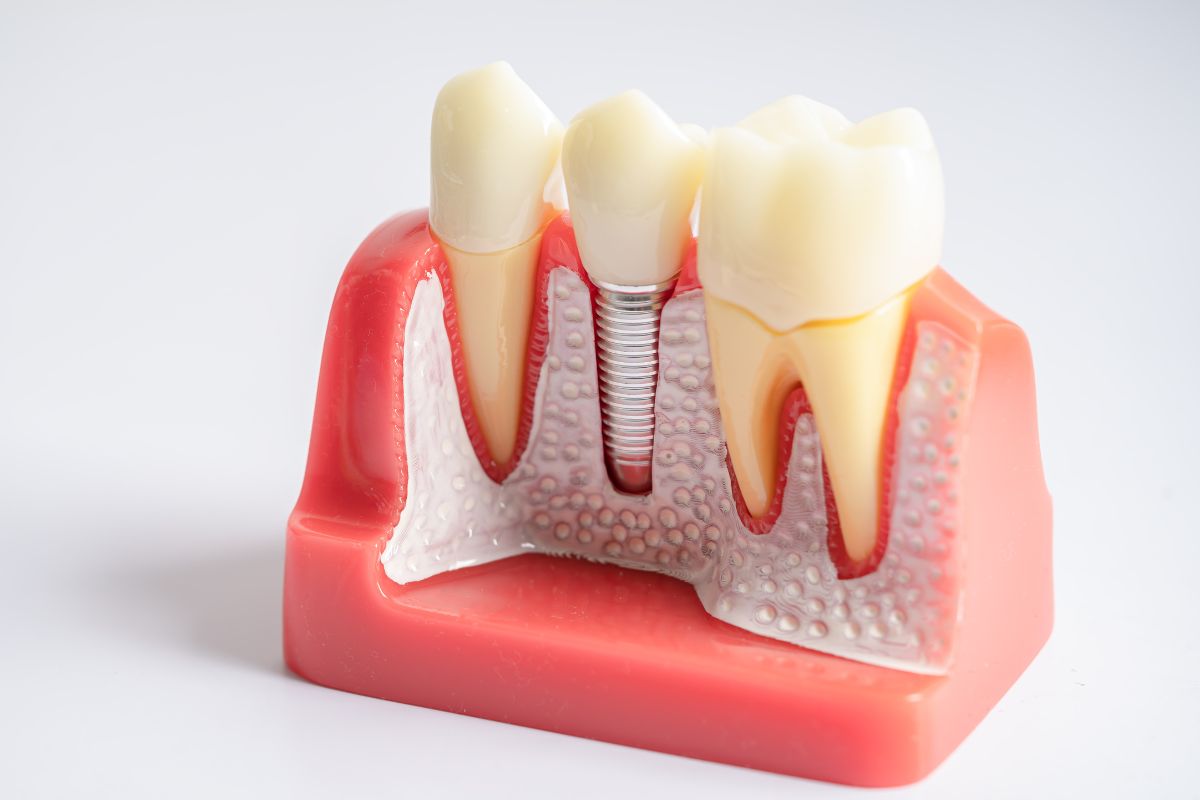
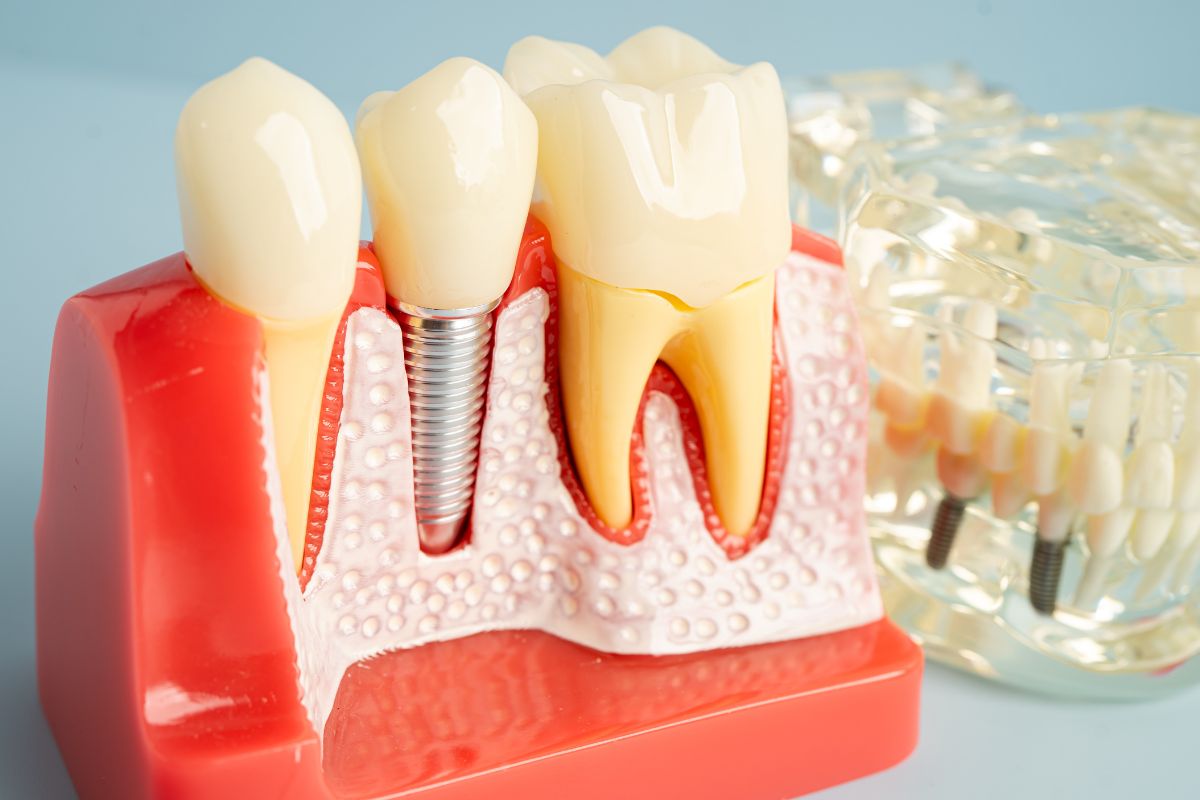
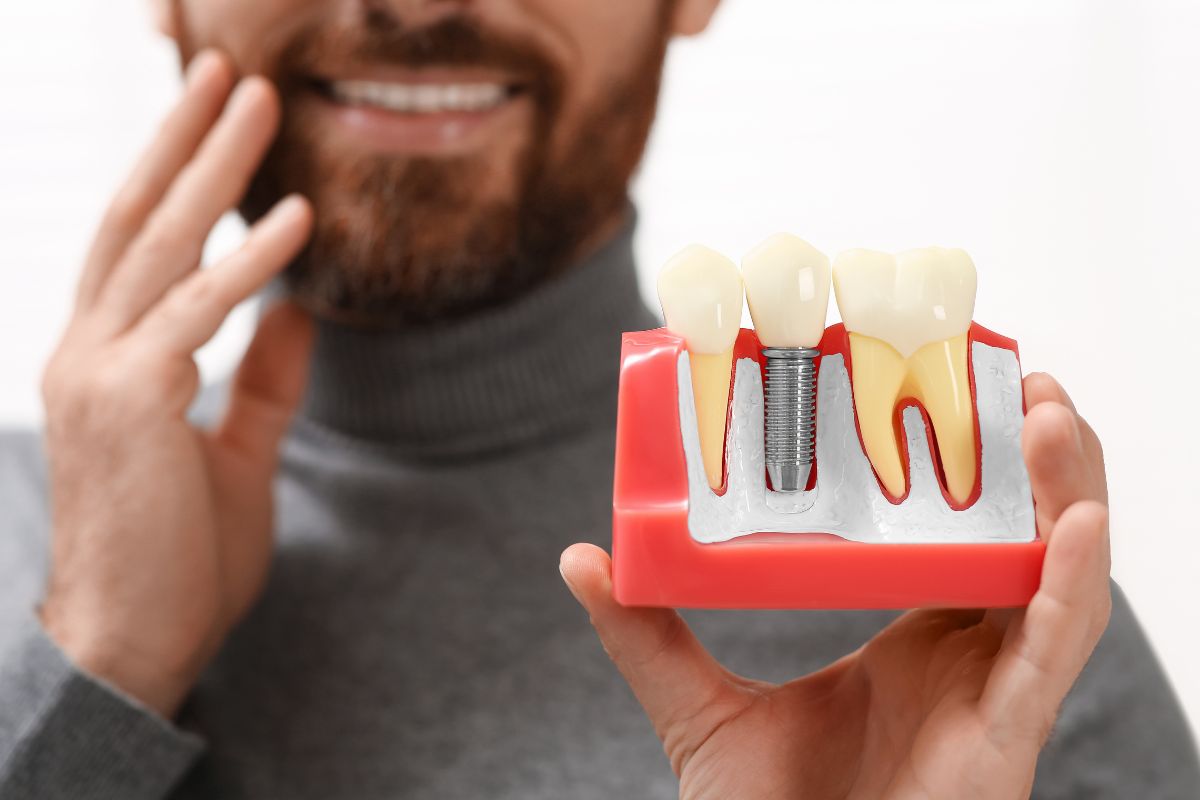
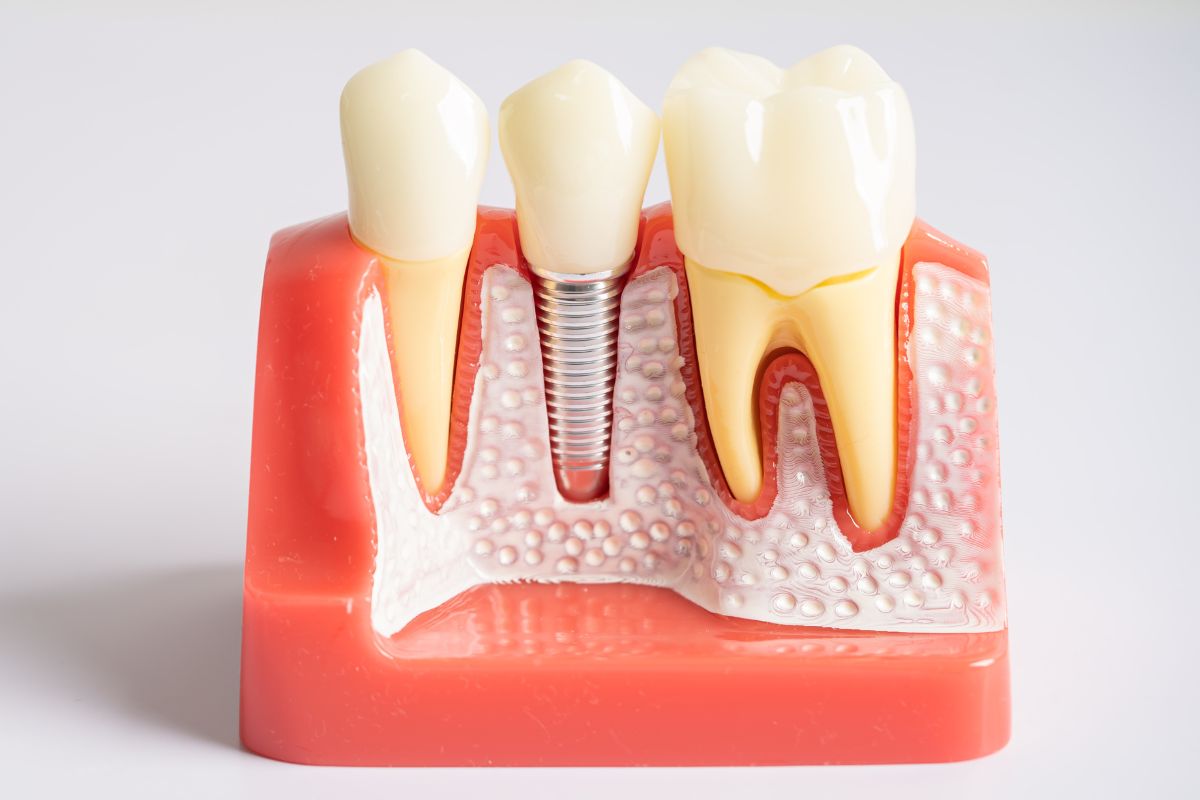
Dental implants act like artificial tooth roots. A small titanium post is placed in the bone, and once it heals, it becomes strong enough to support a connection piece called an abutment and a custom crown on top. Because implants fuse with your jawbone, they create a solid foundation that looks and feels very close to a natural tooth.
When One Dental Implant Can Support Two Teeth?
In some instances, a dentist may recommend an implant-supported bridge. This means one implant can support a pair of connected artificial teeth. Instead of placing two separate implants, the dentist uses one implant as an anchor and attaches two fused crowns.
This approach works best when:
- Only one implant space is available
- The missing teeth are next to each other.
- The bone is strong enough to handle the shared pressure
- There is enough space to place a stable implant
While it’s not the right choice for everyone, many patients benefit from this method because it provides a stable, natural-looking solution with fewer procedures.
Factors Dentists Consider Before Recommending This Option
Before deciding whether one implant can support two teeth, your dentist will evaluate several factors, such as:
- Bone density: The implant needs strong bone support.
- Location: Implants placed in the front of the mouth face less chewing pressure than those in the back.
- Bite strength: Patients with heavy bite force may need two implants for better stability.
- Overall oral health: Healthy gums and surrounding teeth are essential for long-term success.
These details help determine whether this approach is safe and predictable for your smile.
Benefits of Using One Implant for Two Teeth
When your dentist confirms that you’re a good candidate, there are several advantages to choosing one implant for two replacement teeth:
- Fewer visits and less surgery
- Lower overall cost compared to placing two implants
- A quicker restoration process
- A natural, seamless appearance
For many patients, it’s an efficient way to restore function and confidence.
When Two Separate Dental Implants Are Necessary?
Even though using one implant can work in some instances, there are situations where it’s better to place two implants instead:
- The gap between teeth is wider
- The bone isn’t strong enough for a single anchor
- The missing teeth are molars, which handle the most pressure
- The patient has habits like grinding or clenching.
These conditions can put excessive stress on a single implant, increasing the likelihood it will fail.
What to Expect During the Process?
Whether you receive one implant or two, the general steps are similar:
- Consultation and exam
- 3D imaging to check bone levels
- A personalized treatment plan
- Implant placement
- Healing time for the implant to fuse with the bone
- Placement of the final crown or bridge
Each step is designed to ensure your dental implants are secure, functional, and long-lasting.
Restore Your Smile with Confidence – Visit Jersey City Dental
If you’re wondering whether one implant can support two teeth, a personalized evaluation is the best way to know for sure. Patients in and around Jersey City, NJ, can rely on us to recommend the safest and most effective approach for restoring missing teeth. To learn more or get started, Contact Jersey City Dental today.