
Getting your braces removed is an exciting milestone. After months—or sometimes years—of wearing brackets and wires, finally seeing your straight smile in the mirror can feel incredibly rewarding. Many people assume that once braces come off, their orthodontic journey is completely finished. However, there’s one more important step that helps protect the results of your treatment: wearing a retainer.
During orthodontic treatment, your teeth are gradually guided into better alignment. But even after braces are removed, your teeth need time to stabilize in their new positions. Retainers play a crucial role in maintaining the results you worked so hard to achieve. Understanding why retainers matter and how they work can help you keep your smile straight for years to come.
Why Teeth Can Shift After Braces
Teeth are not fixed permanently in place. They are supported by bone, gums, and tiny fibers called ligaments that allow slight natural movement. When braces move teeth into new positions, the surrounding tissues need time to adapt.
Without support, teeth may slowly shift back toward their original positions. This is known as orthodontic relapse. Several factors can contribute to this movement, including:
- Natural changes in your jaw and facial structure over time
- Every day pressure from chewing or biting
- Teeth grinding or clenching
- Aging-related changes in your bite
Because of these natural tendencies, wearing a retainer helps hold your teeth steady while your mouth adjusts to the changes made during treatment.
What Exactly Does a Retainer Do?
A retainer is designed to maintain the alignment achieved through braces. Unlike braces, which actively move teeth, retainers simply keep teeth from drifting out of position.
After braces are removed, the bone surrounding your teeth is still rebuilding and stabilizing. Retainers provide gentle support during this period to help teeth remain in their corrected positions.
Think of retainers as the final step in preserving your newly aligned smile. They ensure that all the time and effort spent during orthodontic treatment continues to pay off.
Different Types of Retainers
Your dentist or orthodontist may recommend different types of retainers depending on your dental needs and lifestyle. Each type has its own advantages.
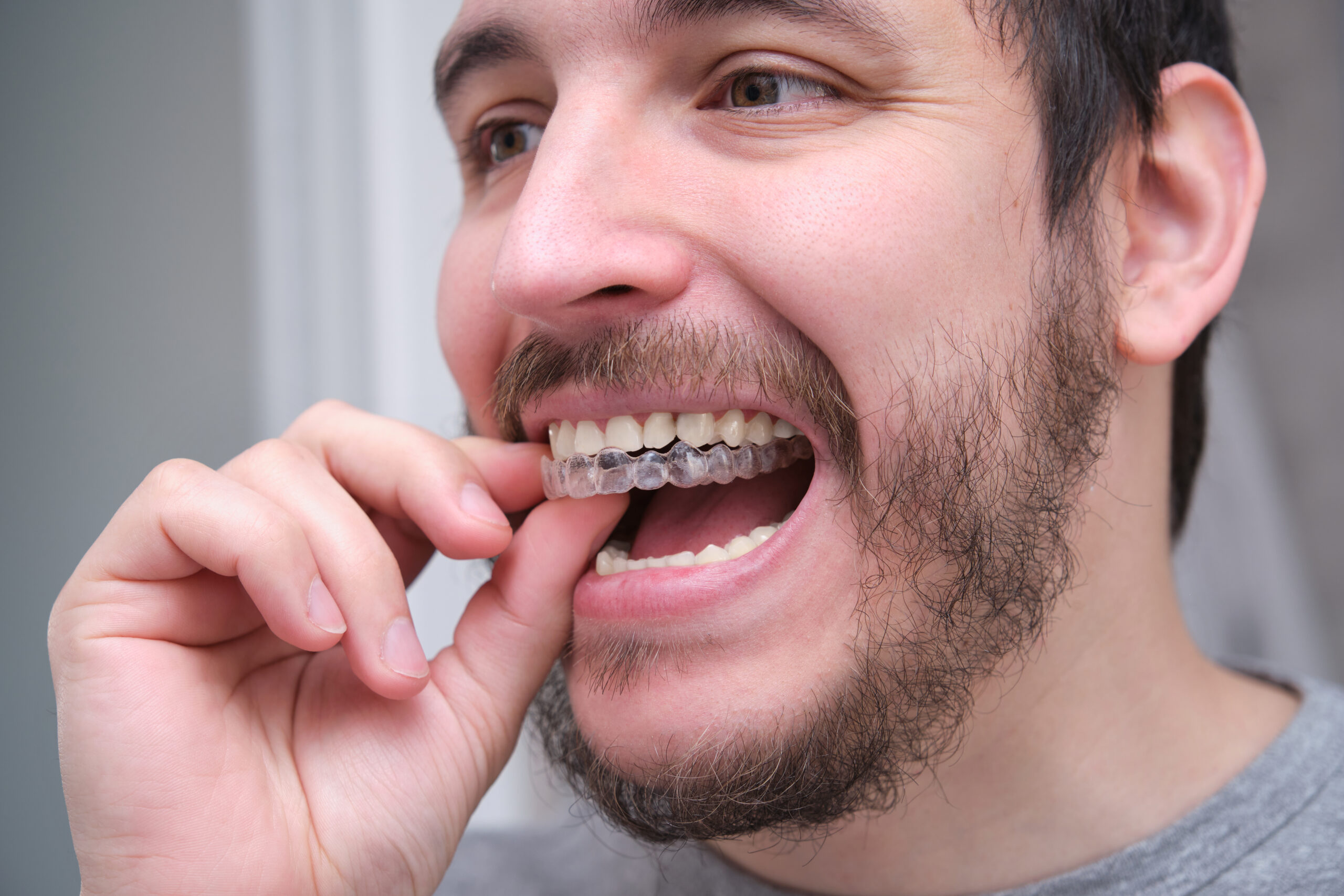
Clear Removable Retainers
Clear retainers are made from transparent plastic that fits snugly over your teeth. They are popular because they are nearly invisible when worn.
Benefits include:
- A discreet appearance
- Comfortable fit
- Easy removal for eating and brushing
However, they must be worn consistently to remain effective.
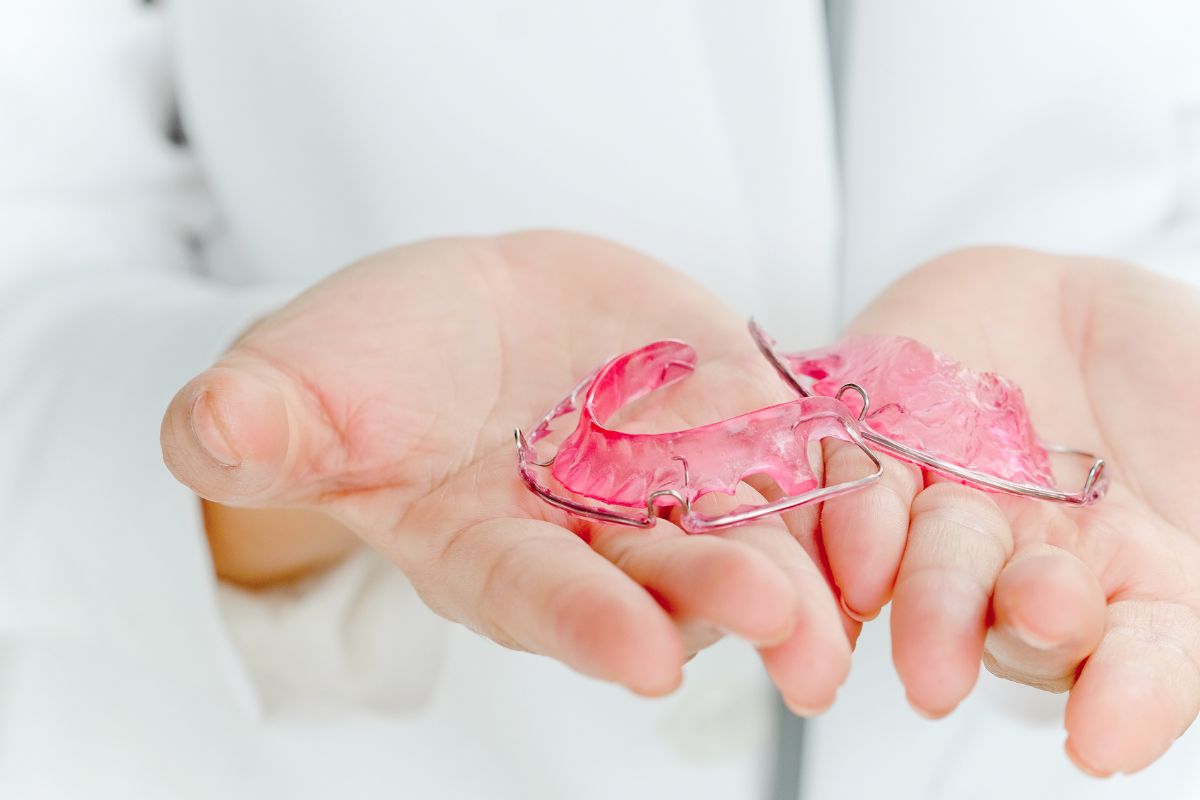
Hawley Retainers
Hawley retainers are a traditional option made from a combination of metal wire and acrylic. The wire sits across the front of the teeth, while the acrylic base rests against the roof of the mouth or behind the lower teeth.
Advantages include:
- Durable design
- Adjustable fit if minor corrections are needed
- Long-lasting when properly maintained
Fixed Retainers
Fixed retainers are thin wires bonded to the back of the teeth. Because they remain in place, they provide constant support without needing to be removed or remembered.
These retainers are often recommended for people who are more likely to forget wearing removable appliances.
How Long Do You Need to Wear a Retainer?
The length of time you’ll need to wear a retainer can vary from person to person. In many cases, retainers are worn full-time for several months after braces are removed. This helps ensure that teeth remain stable while the surrounding tissues adjust.
After the initial period, many people transition to wearing their retainer only at night. Nighttime wear can continue for several years—or even indefinitely—to prevent gradual shifting.
Following your dentist’s instructions about retainer use is the best way to maintain the results of your orthodontic treatment.
What Happens If You Stop Wearing Your Retainer?
Skipping your retainer occasionally may not seem like a big deal, but over time, it can allow teeth to shift.
If retainers are not worn regularly, you may notice:
- Slight crowding returning
- Gaps reopening between teeth
- Changes in your bite alignment
In some situations, teeth may shift enough to require additional orthodontic treatment to correct the problem again. Wearing a retainer as recommended is a simple way to avoid these setbacks.
Simple Tips for Taking Care of Your Retainer
Proper care helps ensure your retainer stays clean, comfortable, and effective.
Here are a few helpful tips:
- Clean your retainer daily using mild soap and water or a recommended cleaning solution.
- Store it in a protective case when it’s not being worn.
- Avoid exposing it to heat, which can cause warping.
- Bring your retainer to dental checkups so it can be examined for proper fit.
Taking these small steps helps extend the life of your retainer and keeps your smile looking its best.
When Should a Retainer Be Replaced?
Retainers can wear down over time, especially with regular use. You may need a replacement if:
- The retainer feels loose or no longer fits properly
- There are visible cracks or damage
- It becomes uncomfortable to wear
Regular dental visits allow your dentist to check the condition of your retainer and recommend adjustments if necessary.
If you’re unsure about how often to wear your retainer or how to take care of it properly, contact us for guidance. Our dental team can answer your questions and help you keep your smile aligned after braces.
Protect Your Straight Teeth After Braces – Visit Our Dental Office in Jersey City
Wearing a retainer might seem like a small step, but it plays a big role in preserving the results of your orthodontic care. Retainers help keep teeth in their corrected positions, preventing the gradual shifting that can occur after braces are removed.
With proper use and regular checkups, your retainer can help you maintain a healthy, confident smile for years to come. If you have questions about maintaining your results after orthodontic treatment, speaking with an experienced orthodontist in Jersey City can help you understand the best approach for long-term dental health.
At Jersey City Dental, we proudly support individuals and families who want to protect their smiles after braces. If you live in Jersey City, NJ, and want to learn more about retainer care or maintaining your orthodontic results, visit our dental office to get personalized guidance and support.