By Jersey City Dental | October 28, 2026
A straighter smile isn’t just about appearance. The way your teeth fit together can affect how you chew, speak, and clean your teeth every day. If you’ve noticed changes in your bite, crowded teeth, or gaps that weren’t there before, you may be wondering whether orthodontic treatment is worth considering as an adult.
The good news is that orthodontic care isn’t limited to teenagers. Adults can explore treatment options to address alignment and bite concerns at different stages of life. At Jersey City Dental, patients interested in orthodontic treatment in Jersey City can learn about available options and discuss their individual dental needs.
But how do you know when it’s time to schedule an evaluation? Here are some common signs to watch for and what they may mean for your oral health.
Quick Answer: What Are the Signs You Need Orthodontic Treatment?
Common signs include crowded or crooked teeth, gaps between teeth, an uneven bite, difficulty chewing, and teeth that have shifted since childhood braces. You may also find it difficult to clean certain areas of your mouth. These signs don’t automatically mean you need braces, but a dental evaluation can help identify whether alignment correction may benefit you.
1. Your Teeth Are Crowded or Overlapping
One of the most noticeable signs you need orthodontic treatment is crowding. This happens when there isn’t enough space in your jaw for your teeth to sit comfortably in their intended positions.
You might notice that your front teeth overlap, one tooth sits behind another, or certain teeth appear twisted. Crowding can develop gradually, and some adults don’t realize how much their teeth have shifted until they compare their current smile with older photographs.
Why it matters: Overlapping teeth can create tight spaces that are difficult to reach with a toothbrush or dental floss. Plaque may accumulate in these areas, potentially increasing the risk of cavities and gum problems.
Orthodontic treatment may help create better alignment, making some areas easier to clean. Your dentist can evaluate the degree of crowding and discuss suitable options.
2. You Have Gaps Between Your Teeth
Small spaces between teeth aren’t always a dental problem. Some people naturally have gaps that don’t affect their oral health or function.
However, new or widening spaces may deserve attention, particularly if you notice changes in your gums or bite. Gaps can develop because of tooth movement, missing teeth, gum disease, or differences between tooth size and jaw space.
If you have spaces that affect your confidence or make biting certain foods uncomfortable, an orthodontic assessment may help clarify your options.
It’s important not to assume that orthodontics alone will address every gap. When spaces develop because of gum disease or another underlying condition, that issue may need treatment first.
3. Your Bite Feels Uneven
Your upper and lower teeth should fit together comfortably when you close your mouth. If your bite feels uneven or certain teeth touch before others, your teeth or jaws may not be aligned as expected.
Common bite concerns include:
- Overbite: The upper front teeth overlap the lower front teeth more than expected.
- Underbite: The lower front teeth sit in front of the upper front teeth.
- Crossbite: Some upper teeth sit inside the lower teeth when you bite down.
- Open bite: Certain upper and lower teeth don’t meet when your mouth is closed.
These alignment issues vary in severity. Some are mainly cosmetic, while others may contribute to uneven tooth wear, chewing difficulties, or jaw discomfort.
If your bite feels different or uncomfortable, have it evaluated rather than trying to correct it yourself. Your dentist can determine whether orthodontic care or another treatment approach is appropriate.
4. Chewing Certain Foods Has Become Difficult
Do you struggle to bite into an apple, chew comfortably on one side, or bring your teeth together evenly?
Difficulty chewing can have several causes, including tooth decay, damaged teeth, gum problems, and bite misalignment. Orthodontic treatment may help when the underlying issue involves how your teeth fit together.
Pay attention to persistent changes. If chewing causes pain, or you notice that your teeth no longer meet as they used to, schedule a dental appointment.
A professional examination can help distinguish an orthodontic concern from other dental problems that may require different treatment.
5. Your Teeth Have Shifted Since You Were Younger
Many adults assume that once their braces come off, their teeth will remain in place permanently. In reality, teeth can move throughout life.
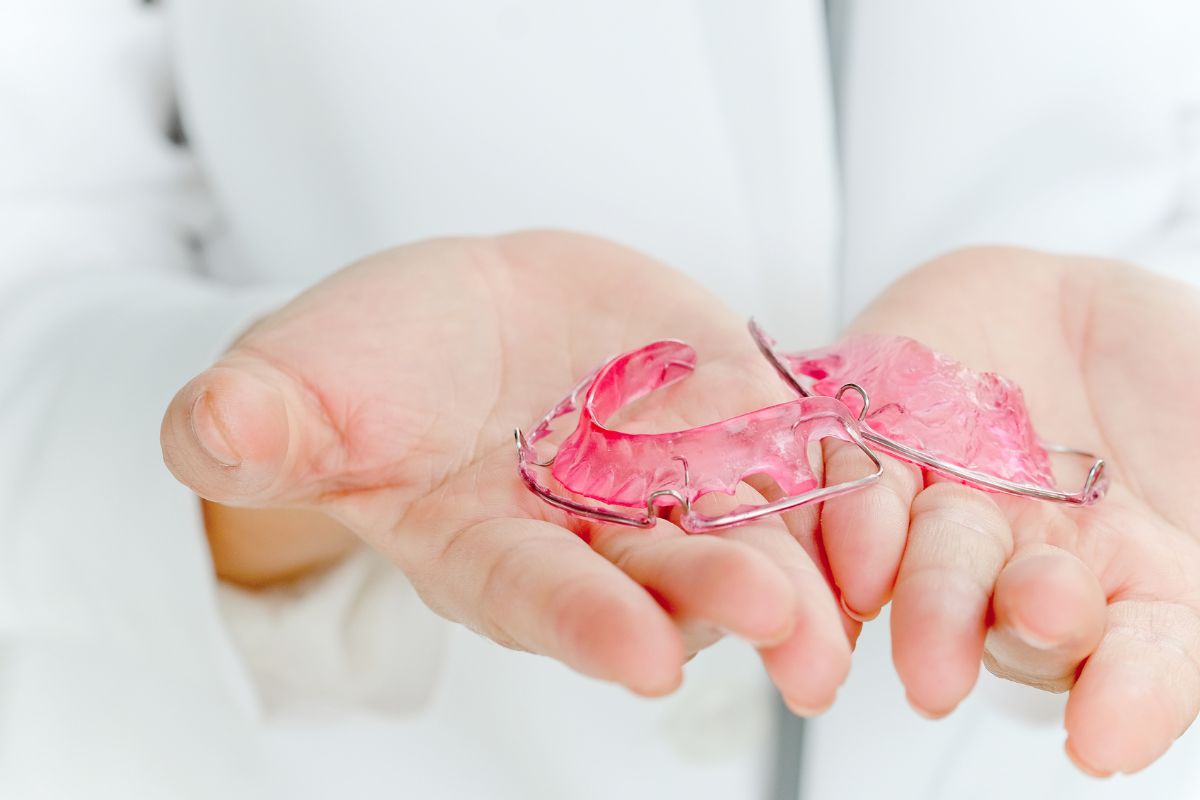
If you had braces as a teenager but stopped wearing your retainer, you may notice renewed crowding, gaps, or changes in your bite. Even adults who never had orthodontic treatment can experience gradual changes in tooth position.
This movement doesn’t automatically mean you need a full course of braces. Depending on the extent of the shifting, your dentist may discuss different approaches, including clear aligners or other orthodontic options.
If you’re considering treatment, it’s helpful to understand how long orthodontic treatment takes. The timeline depends on your alignment concerns, the treatment method, and how consistently you follow the recommended plan.
6. You Frequently Bite Your Cheeks or Tongue
Occasionally biting your cheek or tongue is normal, especially while eating quickly. However, if it happens repeatedly in the same area, your tooth alignment or bite may be contributing to the problem.
Misaligned teeth can affect how your teeth come together during chewing. In some cases, this may increase the likelihood of accidentally catching soft tissue between your teeth.
Repeated cheek or tongue biting can also have other causes, so it isn’t a definite sign that you need orthodontic treatment.
If the problem continues, ask your dentist to assess your bite and check for other possible causes. Identifying the underlying issue is the first step toward finding an appropriate solution.
7. You Find It Difficult to Clean Certain Teeth
Good oral hygiene can become challenging when teeth overlap or sit too closely together. Even with regular brushing and flossing, some areas may be harder to reach.
You might notice that floss frequently catches between certain teeth or that food becomes trapped in the same spaces after meals.
Crowding doesn’t automatically mean you need orthodontic care, but it can make daily cleaning more complicated. Better alignment may make some tooth surfaces easier to access, although brushing, flossing, and routine dental visits remain essential.
If you’re struggling to keep particular areas clean, discuss the issue with your dentist. They can assess your alignment, check for signs of gum disease or tooth decay, and explain whether orthodontic treatment could help.
Can Adults Benefit From Orthodontic Treatment?
Yes. Adults can benefit from orthodontic treatment when their teeth or bite need correction. There is no single age at which orthodontic treatment becomes inappropriate, although the condition of your teeth, gums, and supporting bone plays an important role.
At Jersey City Dental, adults exploring treatment can learn about options such as Invisalign and other approaches based on their dental needs.
Clear Aligners
Clear aligners use a series of removable, transparent trays to gradually move teeth. They may be suitable for certain crowding, spacing, and bite concerns.
Because they can be removed for eating and cleaning, some adults find aligners convenient for their daily routines. However, they must be worn as directed, and they aren’t the best option for every orthodontic case.
Traditional Braces
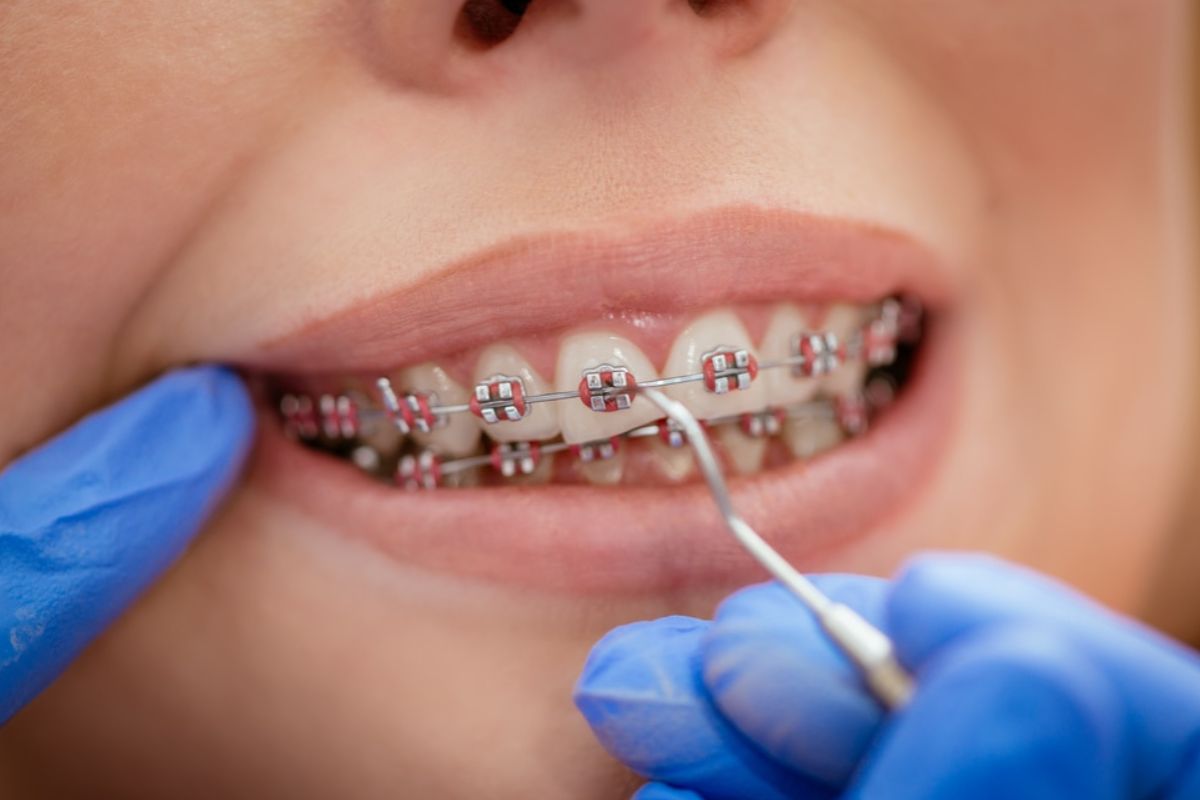
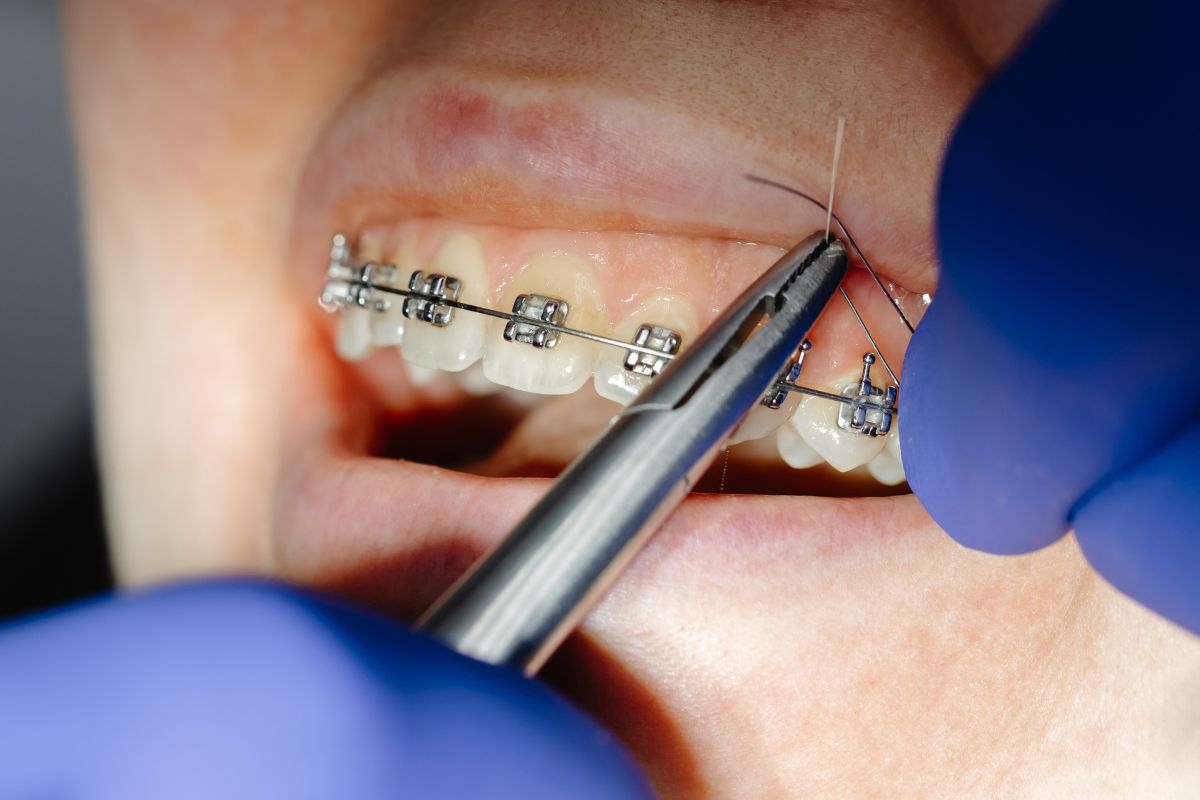
Traditional braces use brackets and wires to move teeth into better positions. Depending on the complexity of the case, braces may be recommended for alignment problems that require more comprehensive tooth movement.
The right option depends on your individual needs, preferences, and dental health. A consultation can help determine which treatments are appropriate.
What Should You Do If You Notice These Signs?
If any of these concerns sound familiar, you don’t need to decide on a treatment before making an appointment. Start by arranging a dental evaluation.
Here are a few practical steps you can take:
- Notice changes in your bite. Pay attention to discomfort, uneven tooth contact, or difficulty chewing.
- Maintain your oral hygiene routine. Brush twice daily with fluoride toothpaste and clean between your teeth every day.
- Don’t ignore persistent symptoms. Pain, loose teeth, or bleeding gums deserve professional attention rather than being attributed automatically to misalignment.
- Ask about your options. Discuss whether braces, clear aligners, or another approach could address your concerns.
- Understand the commitment. Ask about appointments, costs, treatment duration, and retainer use before starting.
For adults in Jersey City, an evaluation at Jersey City Dental can help clarify the next steps based on your smile and oral health.
Frequently Asked Questions
1. How do I know if I need braces as an adult?
Crowded teeth, noticeable gaps, an uneven bite, difficulty chewing, and shifting teeth can indicate a need for orthodontic evaluation. However, these signs don’t automatically mean braces are necessary. A dentist can assess your teeth and discuss appropriate treatment options.
2. Is it too late to straighten my teeth as an adult?
No. Adults can undergo orthodontic treatment at many different ages. The important factors include gum health, bone support, existing dental conditions, and the type of alignment problem. Your dentist can help determine whether treatment is suitable for you.
3. Can Invisalign fix crowded teeth in adults?
Invisalign can correct many mild to moderate crowding and spacing concerns, as well as certain bite problems. More complex cases may require different treatment. A dental evaluation is necessary to determine whether clear aligners are appropriate for your situation.
4. How long does adult orthodontic treatment take?
Treatment time varies depending on the severity of misalignment, the appliance used, and how consistently treatment instructions are followed. Some cases take several months, while more complex cases may take a few years. Your dentist can provide an individualized estimate after evaluating your teeth.
5. Does orthodontic treatment improve oral health?
Correcting certain alignment problems may make teeth easier to clean and improve how your upper and lower teeth meet. However, orthodontic treatment does not replace brushing, flossing, professional cleanings, or treatment for existing dental disease.
Take the Next Step Toward a Healthier Smile
Crooked teeth, crowded spaces, bite problems, and shifting teeth can affect more than the appearance of your smile. Depending on the cause and severity, they may also influence your comfort, chewing function, and ability to maintain good oral hygiene.
Recognizing the signs you need orthodontic treatment is a useful starting point, but only a professional evaluation can determine whether treatment is right for you.
If you’re considering orthodontic treatment, Jersey City Dental can help you explore options for your smile. You can also read patient reviews and find Jersey City Dental on Google to learn more about the practice before scheduling your consultation.