

Many patients wonder whether Invisalign is a faster solution than traditional braces when considering orthodontic treatment. While both methods effectively straighten teeth and correct bite issues, the treatment duration varies based on individual cases. Let’s explore whether Invisalign offers a quicker path to a perfect smile.
Understanding Invisalign and Traditional Braces
Invisalign consists of clear, removable aligners that gradually shift teeth into the desired position. These custom-made aligners must be worn for 20-22 hours daily, changing every one to two weeks as your orthodontist prescribes. Since they are nearly invisible, they are popular with adults and teens who prefer a discreet treatment.
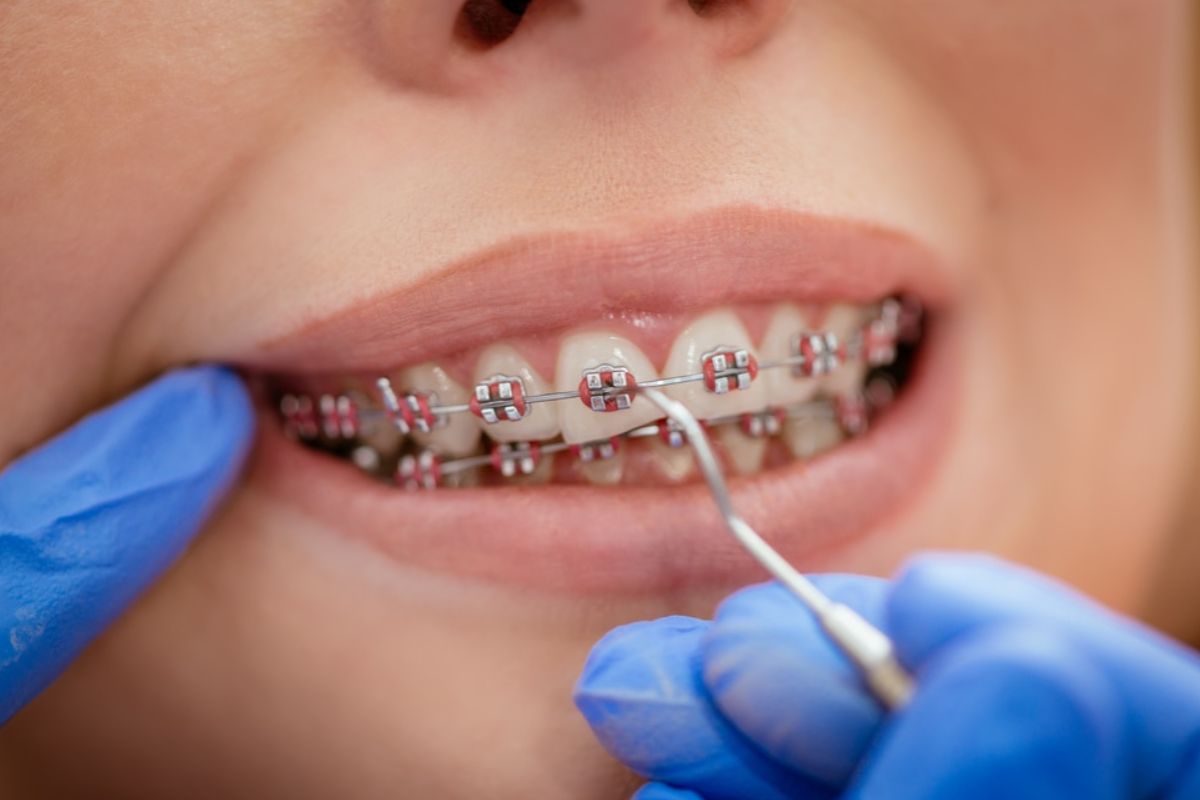
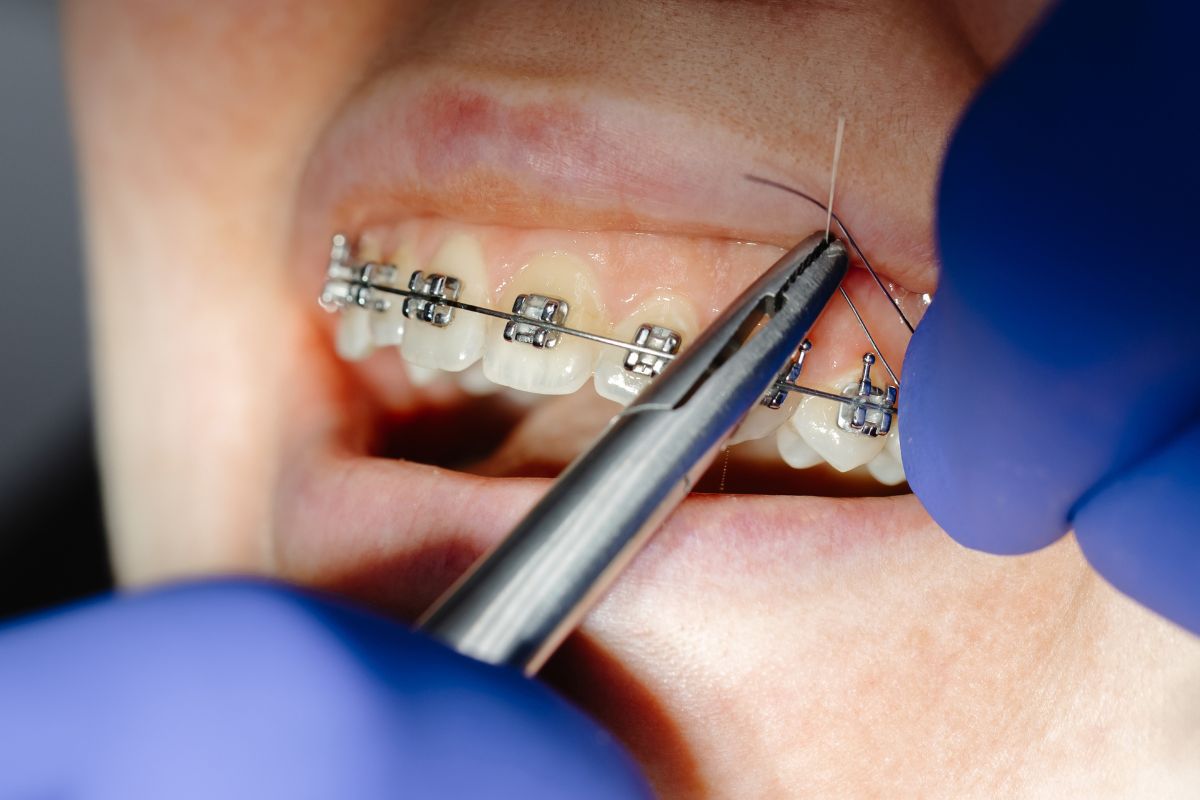
Traditional braces, on the other hand, involve metal or ceramic brackets attached to the teeth, connected by wires that an orthodontist periodically tightens. Braces effectively treat complex dental issues, including severe misalignment and bite problems.
Which Option is Faster?
The treatment time for both Invisalign and traditional braces depends on several factors, including the severity of misalignment, patient compliance, and biological response to treatment.
- Mild to Moderate Cases: Invisalign often delivers quicker results than traditional braces for mild to moderate alignment issues. On average, Invisalign treatment lasts between 12 to 18 months, while traditional braces typically take 18 to 24 months. Some patients with minor spacing or crowding can complete Invisalign treatment in as little as six months.
- Severe Cases: Traditional braces may be the more practical option for complex orthodontic issues, such as significant bite misalignment or rotated teeth. Although Invisalign can treat some severe cases, it may require additional attachments or a longer duration than braces.
- Patient Compliance: One of the most significant factors affecting Invisalign’s effectiveness is patient compliance. Since aligners are removable, failing to wear them as prescribed can extend treatment time. Being fixed to the teeth, braces work continuously without patient intervention, making them a more consistent option in cases where compliance might be an issue.
Advantages of Invisalign Over Braces
Beyond potential speed, Invisalign offers other advantages that make it a preferred choice for many patients:
- Aesthetic Appeal: The clear aligners are nearly invisible, making them ideal for those who want a discreet orthodontic solution.
- Comfort: Invisalign reduces the risk of mouth irritation and discomfort without metal brackets and wires.
- Ease of Maintenance: Patients can easily maintain their oral hygiene routine since aligners are removable.
- Fewer Office Visits: Invisalign typically requires fewer in-office adjustments than braces, making it a convenient option for busy individuals.
If you’re seeking orthodontic care, consulting with an Orthodontist in Jersey City will help determine which option best suits your needs.
Conclusion
While Invisalign may be quicker for some patients, traditional braces remain the gold standard for more complex cases. The best way to determine the proper treatment is by consulting an experienced orthodontist.
If you are looking for professional orthodontic treatment in Jersey City, NJ, or Hoboken, NJ, schedule an appointment with Jersey City Dental today!