

Why a Misaligned Bite Matters?
A misaligned bite, also known as malocclusion, can have a profound impact on your daily life. Whether caused by genetics, thumb sucking, or accidents, misalignment of the teeth can disrupt more than just your smile. This issue can affect your comfort, speech, chewing, and even your overall health. An orthodontist or dentist plays a crucial role in diagnosing and treating bite issues to improve both aesthetics and functionality.
Effects on Chewing and Eating
One of the most immediate impacts of a misaligned bite is on your ability to chew food properly. When teeth don’t align correctly, it can make biting and chewing harder. You may struggle to break down food, leading to poor digestion and discomfort. For those with severe malocclusion, the inability to chew properly can also limit your food choices, as certain hard or tough foods may become painful to eat.
Jaw Pain and Headaches
Another common consequence of a misaligned bite is jaw pain. When your teeth don’t meet evenly, the muscles in your jaw may overcompensate, causing discomfort and tension. Over time, this can lead to conditions like temporomandibular joint disorder (TMJ), which causes pain in the jaw joint and surrounding muscles. Additionally, the strain on these muscles can trigger frequent headaches, particularly around the temples or base of the skull.
Speech Difficulties
A misaligned bite can also impact speech. If the teeth or jaws are not in the correct position, it can alter the way you speak, leading to a lisp or difficulty pronouncing certain words. This can be frustrating for both children and adults, and in some cases, may even lead to social embarrassment or a lack of confidence.
Breathing Issues
For some individuals, a misaligned bite can cause problems with breathing. When the teeth and jaws are out of alignment, it may contribute to issues such as mouth breathing or even sleep apnea. These breathing issues can lead to dry mouth, snoring, and disrupted sleep patterns, ultimately affecting your overall health and quality of life.
Long-Term Effects on Oral Health
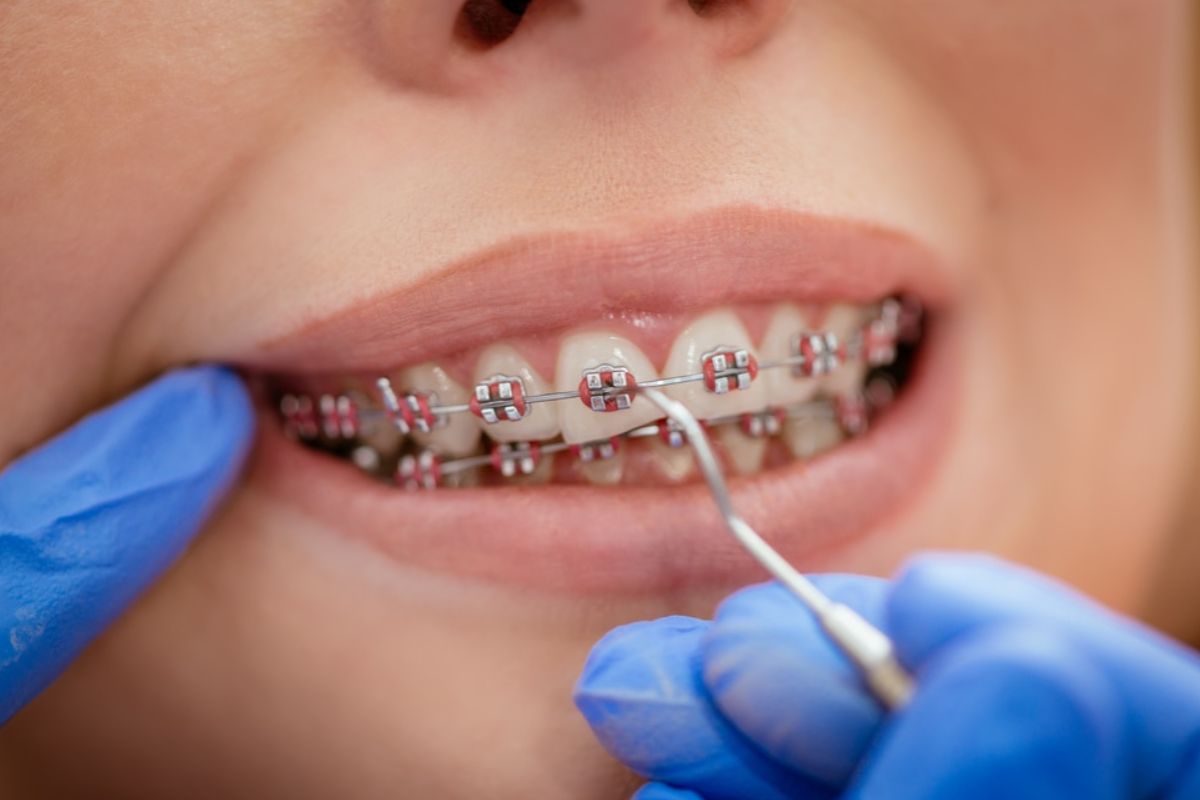
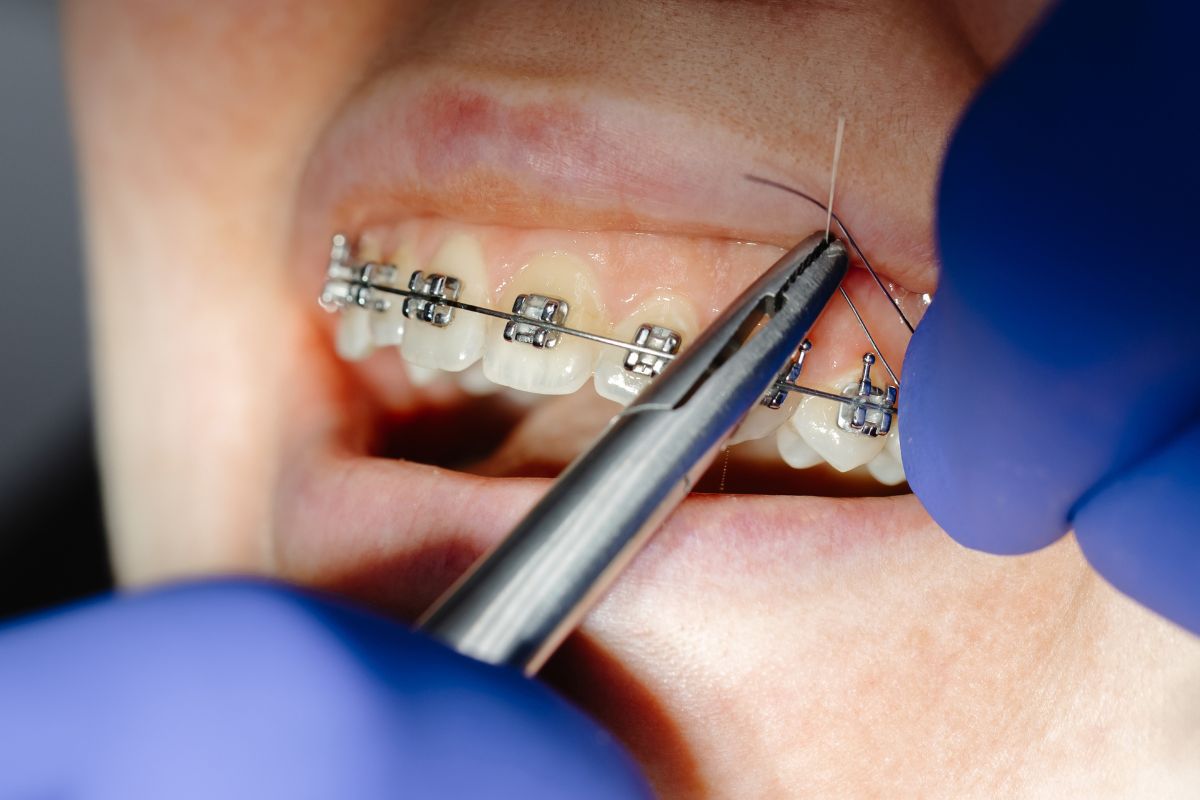
A misaligned bite can also contribute to long-term oral health problems. Improper alignment can lead to uneven wear on teeth, increasing the risk of tooth decay, gum disease, and tooth loss. Moreover, the misalignment can make it difficult to properly clean between the teeth, further exacerbating oral hygiene issues. An orthodontist can help address these problems by recommending treatments such as braces or clear aligners to improve your bite.
Treatment Options for a Misaligned Bite
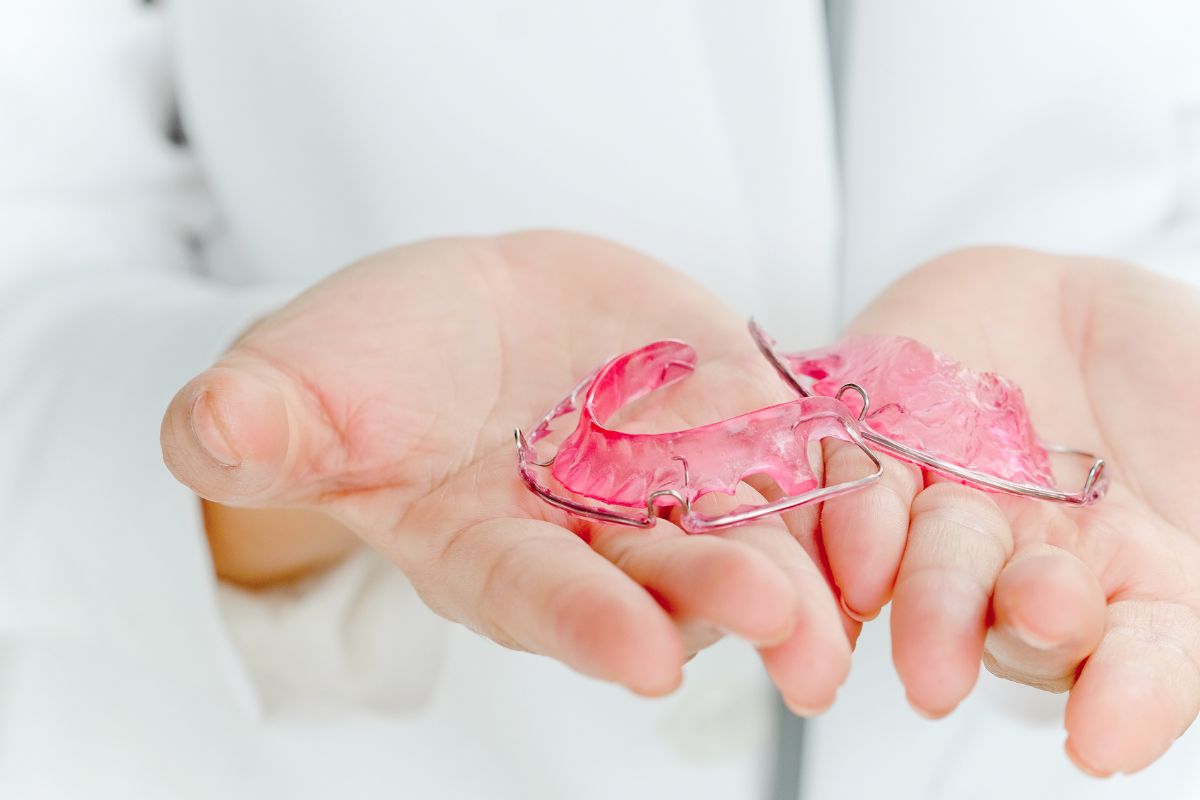
The good news is that a misaligned bite can be treated effectively with the help of an experienced orthodontist or dentist. Treatment options include braces, clear aligners, and in some cases, surgery. Your orthodontist will assess the severity of your bite issue and develop a personalized treatment plan that aligns with your needs and lifestyle. Early intervention is key to preventing more severe complications down the line.
Conclusion: Don’t Wait to Seek Help
If you’re experiencing discomfort, difficulty eating, or speech problems due to a misaligned bite, it’s time to consult with an orthodontist or dentist. Early treatment can help improve your bite, prevent future oral health issues, and enhance your quality of life. Visit our dental office in Jersey City, NJ, to schedule a consultation and learn how we can help you achieve a healthier, more comfortable smile.