
Malocclusion refers to misalignment or improper positioning of the teeth and jaws, often resulting in bite problems. It is a common dental issue that can range from mild to severe, and if left untreated, it can lead to discomfort, difficulty chewing, and even problems with speech. Understanding the causes of malocclusion and the treatments available can help you achieve a healthier, more confident smile.
What Causes Malocclusion?
Several factors can contribute to malocclusion, including genetic and environmental influences. Below are some common causes:
- Genetics: One of the leading causes of malocclusion is genetics. If your parents had crooked teeth or bite issues, there’s a higher chance you may experience similar problems. Inherited traits can affect the size of the jaw, the positioning of teeth, or how the upper and lower jaws align.
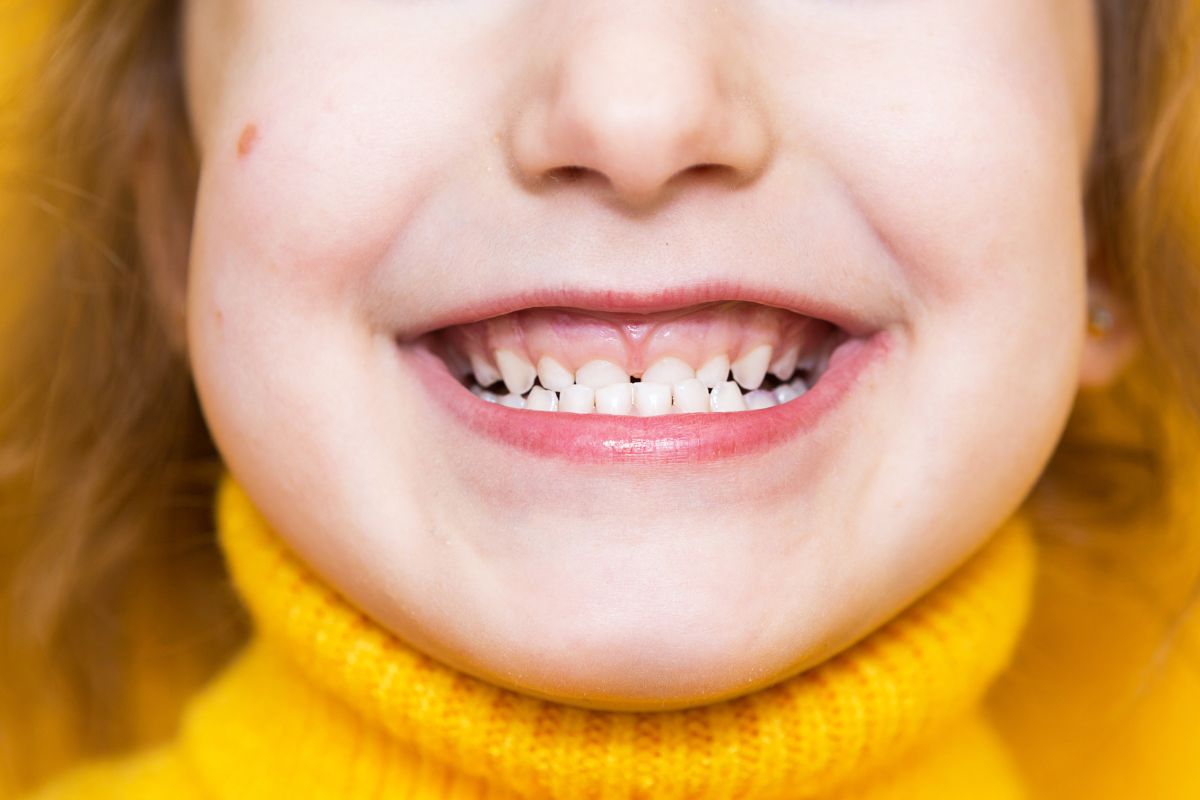
- Early Loss of Baby Teeth: Premature loss of baby teeth due to decay or injury can affect the alignment of the permanent teeth. When baby teeth fall out too early, the surrounding teeth may shift, leading to misalignment.
- Thumb Sucking: Prolonged thumb sucking during childhood can push the front teeth outward and affect the development of the jaw, causing malocclusion. This habit can lead to an open bite or an overbite, impacting the ability to bite and chew properly.
- Jaw Abnormalities: Issues with the jaw’s growth can result in malocclusion. Some individuals may have an upper or lower jaw that is too large or too small, causing a misalignment when the jaws come together. This can lead to conditions such as underbite or overbite.
- Trauma or Injury: Accidents, falls, or trauma to the face can lead to teeth or jaw misalignment. Broken or displaced teeth may cause bite issues requiring orthodontic treatment to restore proper alignment.
- Improper Dental Care: Poor dental habits, such as failing to align teeth properly during childhood or neglecting regular checkups, can also contribute to malocclusion. Misaligned teeth from neglect can worsen over time, making treatment more complex.
How Is Malocclusion Treated?
The treatment for malocclusion depends on the severity of the condition and the specific type of misalignment. Some standard treatment options include:
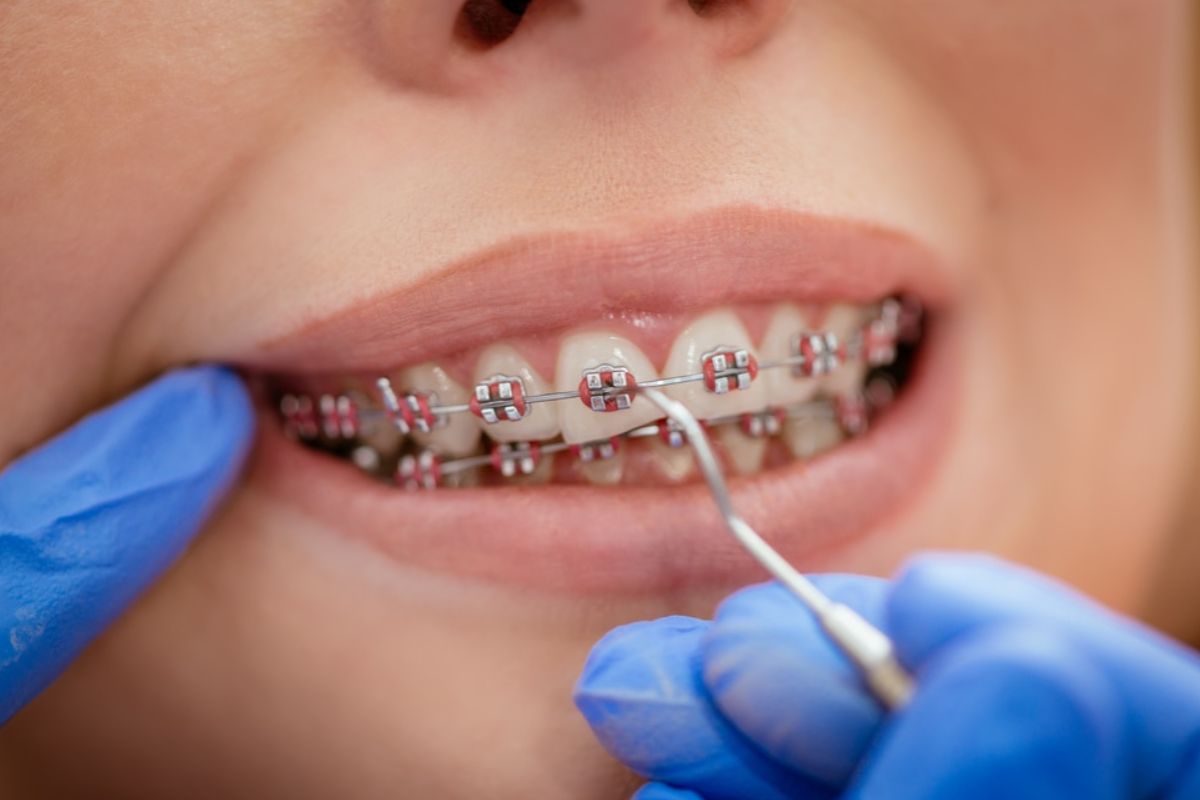
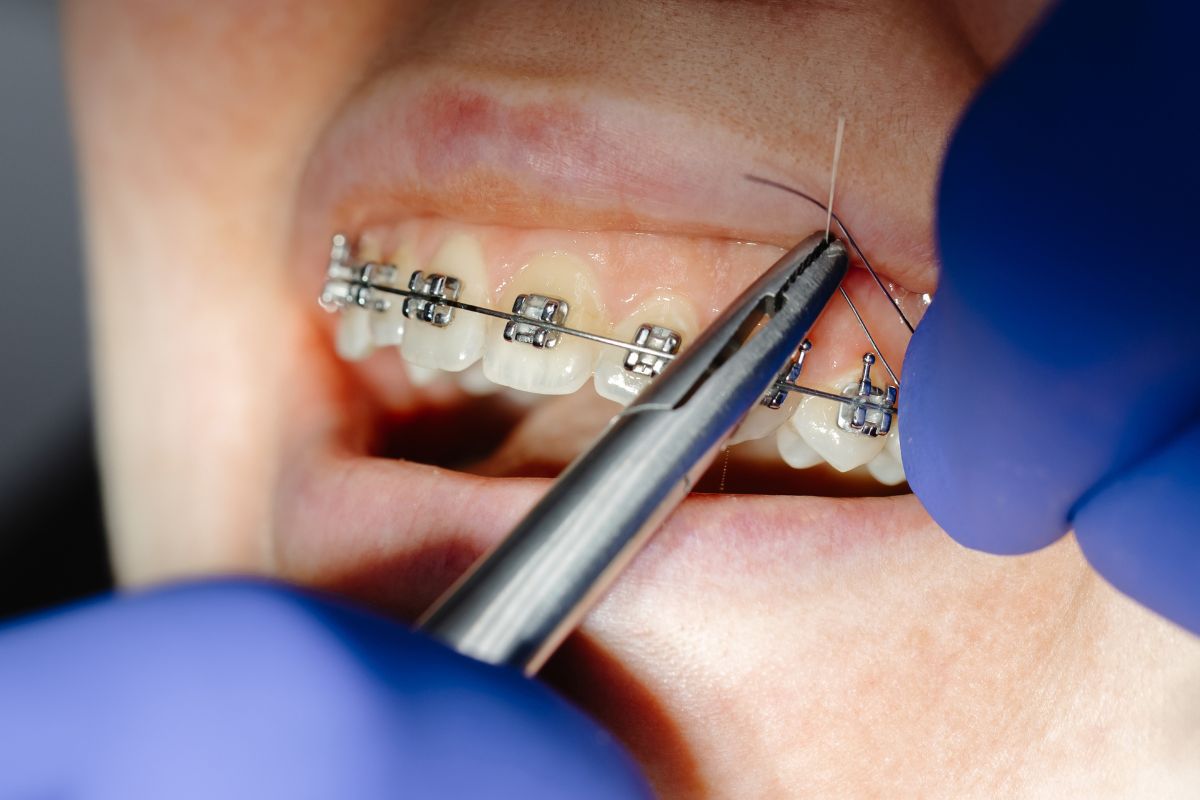
Braces: Traditional metal braces are one of the most common methods of treating malocclusion. They use metal brackets and wires to move the teeth into proper alignment gradually. Depending on the severity, treatment can last anywhere from a few months to a few years.
Clear Aligners: Clear aligners like Invisalign are a more discreet alternative to traditional braces. These clear plastic trays gradually shift the teeth into their correct positions. They are removable, making eating and maintaining oral hygiene easier during treatment.
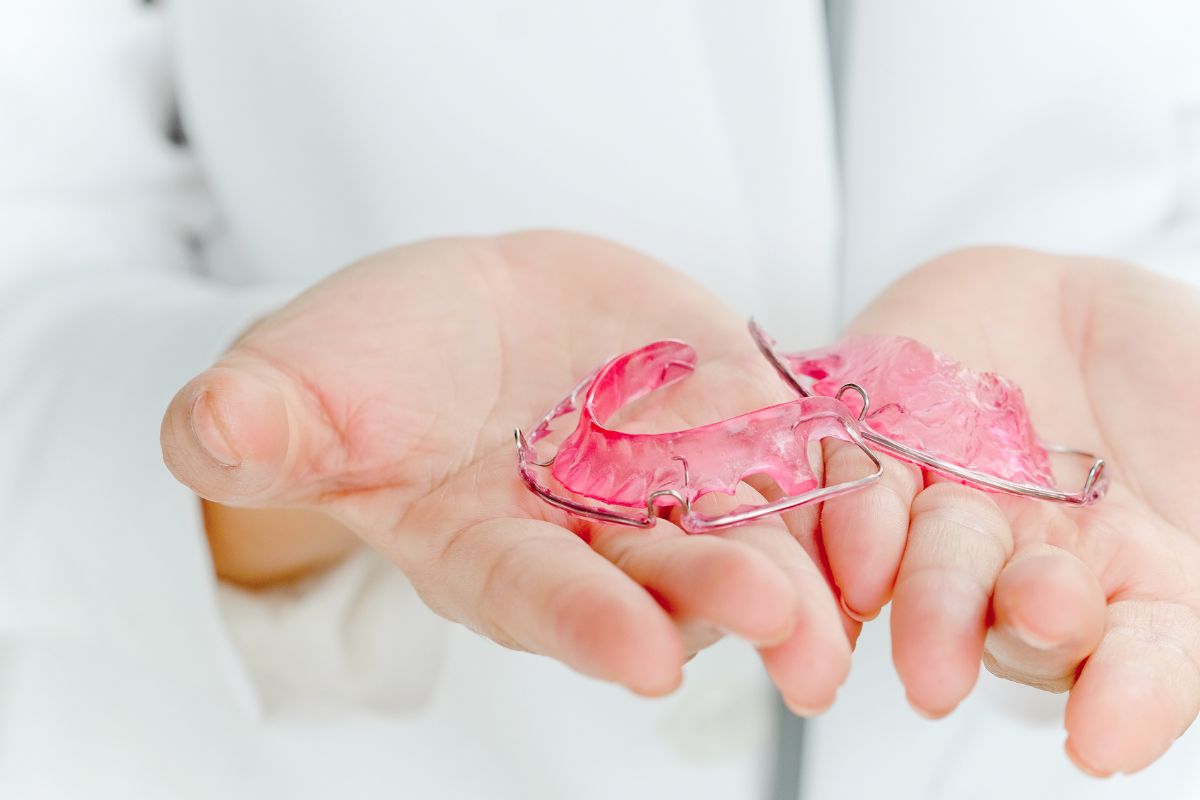
Retainers: Retainers are often used to help maintain teeth’s alignment after braces or clear aligners. They prevent the teeth from shifting back to their original positions, ensuring the treatment’s long-term success.
Orthognathic Surgery: In some cases, surgery may be required to correct severe jaw misalignments. Orthognathic surgery is typically recommended for patients with skeletal malocclusion, where the issue is with the jaw’s structure rather than just the teeth.
Palatal Expanders: For children with narrow upper jaws, a palatal expander can help widen the roof of the mouth. This treatment can create more space for the teeth to grow correctly and prevent crowding or bite issues in the future. For this type of treatment, an Orthodontist in Jersey City can help assess your child’s needs and recommend the most suitable approach.
Conclusion
Malocclusion can cause various dental problems, but with the proper treatment, these issues can be corrected to help you achieve a healthier, more functional smile. Whether you need braces, clear aligners, or surgery, an experienced orthodontist can guide you through the best options. If you want to address malocclusion or have concerns about your bite, consult Jersey City Dental today to find the most effective treatment.