

Finally getting your braces off is a moment worth celebrating! Your teeth are now straight, your bite is aligned, and your smile looks fantastic. However, this is not the end of your orthodontic treatment journey. The period following braces removal is crucial for maintaining your results and ensuring your teeth stay in their new positions. To help you protect your new smile, here are some important things to avoid after getting your braces off.
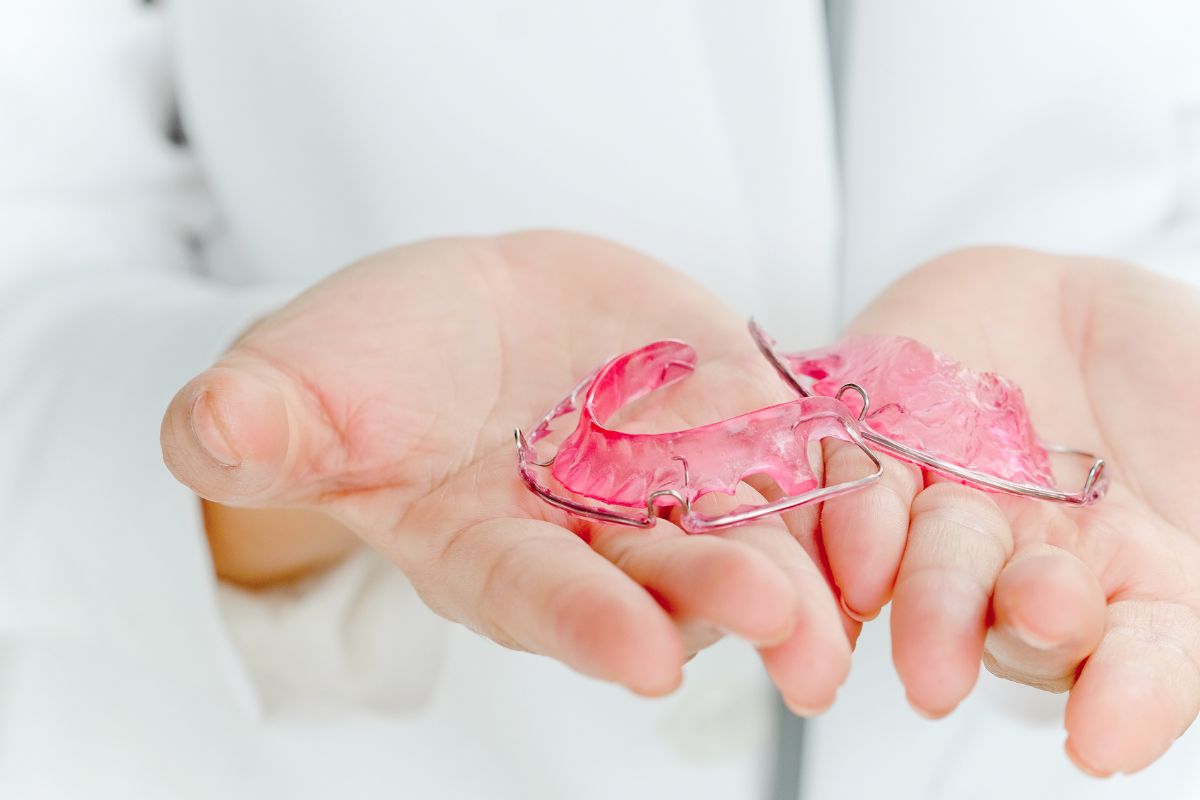
1. Skip Wearing Your Retainer
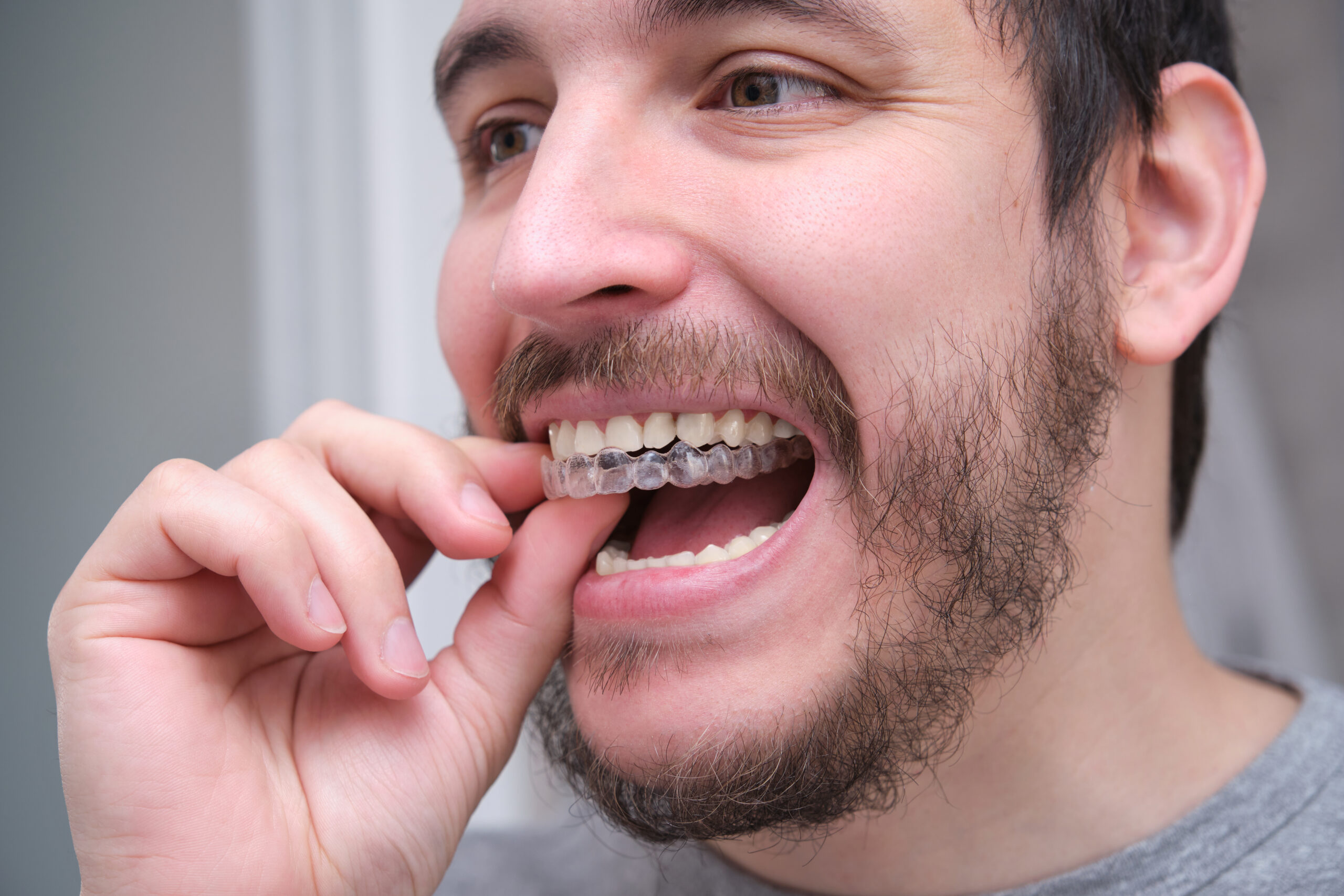
One of the most common mistakes patients make after orthodontic treatment is not wearing their retainer as instructed. Your retainer is essential for keeping your teeth in their new positions.
Why It Matters:
Teeth have a natural tendency to shift back to their original positions after braces. Wearing your retainer as directed by your orthodontist prevents this relapse and keeps your smile looking perfect.
What to Do Instead:
Follow your orthodontist’s guidelines regarding when and how long to wear your retainer. Usually, it starts with wearing it full-time and then transitioning to nighttime wear. Consistency is key.
2. Neglecting Oral Hygiene
After your braces come off, you might feel free from the meticulous cleaning routine braces required. However, neglecting your oral hygiene can quickly lead to problems like cavities, gum disease, and staining, which can ruin the look of your newly straightened teeth.
Why It Matters:
Plaque and food particles can still accumulate on your teeth, leading to decay and other dental issues. Good oral hygiene habits are essential for maintaining a healthy smile.
What to Do Instead:
Brush your teeth at least twice a day and floss daily. Consider using a fluoride mouthwash to strengthen your teeth and a water flosser for an extra level of cleaning.
3. Consuming Hard, Sticky, or Sugary Foods
Although you may be tempted to indulge in all the foods you avoided during your orthodontic treatment, it’s important to be mindful of what you eat. Hard, sticky, or sugary foods can still pose risks to your teeth.
Why It Matters:
These foods can damage your teeth or retainer, increase the risk of cavities, and make maintaining your oral hygiene more difficult. Hard foods can also chip or crack newly exposed enamel.
What to Do Instead:
Enjoy your favorite foods in moderation, but be cautious with anything that could damage your teeth or retainer. Stick to a balanced diet rich in fruits, vegetables, and dairy to keep your teeth strong and healthy.
4. Failing to Schedule Regular Dental Visits
Regular dental checkups are critical after completing your orthodontic treatment. Some people assume that their visits can be less frequent after their braces come off, but maintaining your oral health requires ongoing professional care.
Why It Matters:
Dental visits allow your dentist to spot any early signs of dental problems, ensure your teeth are staying in place, and provide professional cleanings to keep your smile at its best.
What to Do Instead:
Continue to see your dentist every six months, or as recommended. If you experience any discomfort or notice your teeth shifting, contact your orthodontist immediately.
5. Whitening Your Teeth Right Away
It’s common to want a whiter smile after braces, especially if you notice slight discoloration where the brackets are attached. However, whitening your teeth immediately after braces can cause uneven results.
Why It Matters:
The enamel on your teeth may need time to remineralize and even out in color after braces removal. Whitening too soon can result in spots where the teeth appear unevenly lightened.
What to Do Instead:
Consult with your dentist about the best time to start teeth whitening treatments. They will likely recommend waiting a few months and may suggest a professional treatment for optimal results.
6. Not Monitoring Teeth Shifting
After braces, it’s still possible for your teeth to shift slightly over time, especially if you’re not diligent about wearing your retainer. Ignoring small shifts can lead to more noticeable misalignment.
Why It Matters:
Even a small movement in your teeth can affect your bite and the overall appearance of your smile, potentially requiring further orthodontic treatment.
What to Do Instead:
Regularly check your retainer’s fit and appearance. If it feels tight or loose, it may be time for an adjustment or replacement. Always consult your orthodontist if you notice any significant changes.
7. Ignoring Discomfort or Changes
It’s normal for your mouth to feel different after braces, but ongoing discomfort is not something to ignore. If your retainer causes pain or if your teeth start shifting, immediate action is needed.
Why It Matters:
Ignoring discomfort or changes can lead to more significant issues that might require additional orthodontic intervention, prolonging your journey to a perfect smile.
What to Do Instead:
Reach out to your orthodontist at the first sign of discomfort or if your retainer doesn’t seem to fit properly. Prompt adjustments can prevent further complications.
8. Using Your Teeth as Tools
Using your teeth to open packages, chew on pens, or as a replacement for scissors can be tempting, but it’s a habit that can cause serious damage, especially after orthodontic treatment.
Why It Matters:
Your teeth are vulnerable after braces. Using them as tools can lead to chips, cracks, and even tooth movement that compromises your results.
What to Do Instead:
Avoid using your teeth for anything other than eating. Always have the appropriate tools on hand to prevent unnecessary damage to your teeth.
Getting your braces off is an exciting milestone, but it’s essential to take the right steps to maintain your new smile. Avoiding these common mistakes after your orthodontic treatment will help preserve your results and ensure your teeth stay healthy and straight for years to come. Remember, the effort you put in now will pay off in the long run with a beautiful, confident smile that lasts a lifetime.